President Anura Kumara Dissanayake has directed officials to begin implementing an upgraded Anuradhapura Sacred City Development Plan this year, with Indian government backing bringing the project investment to Rs. 6.5 billion.
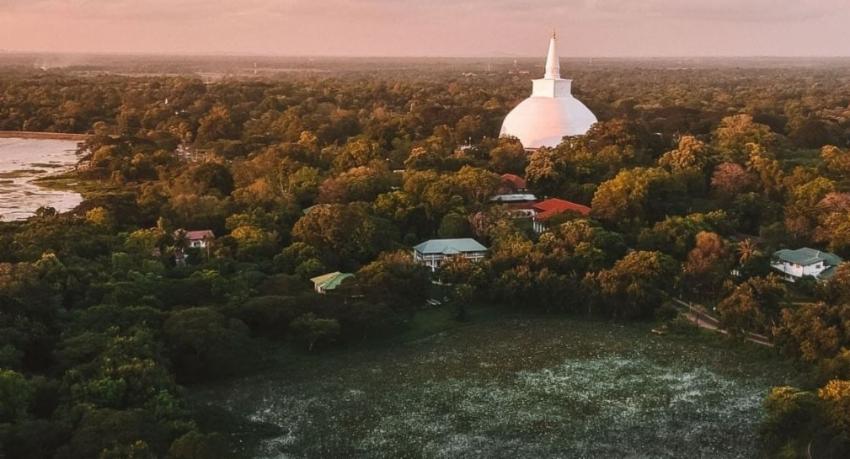
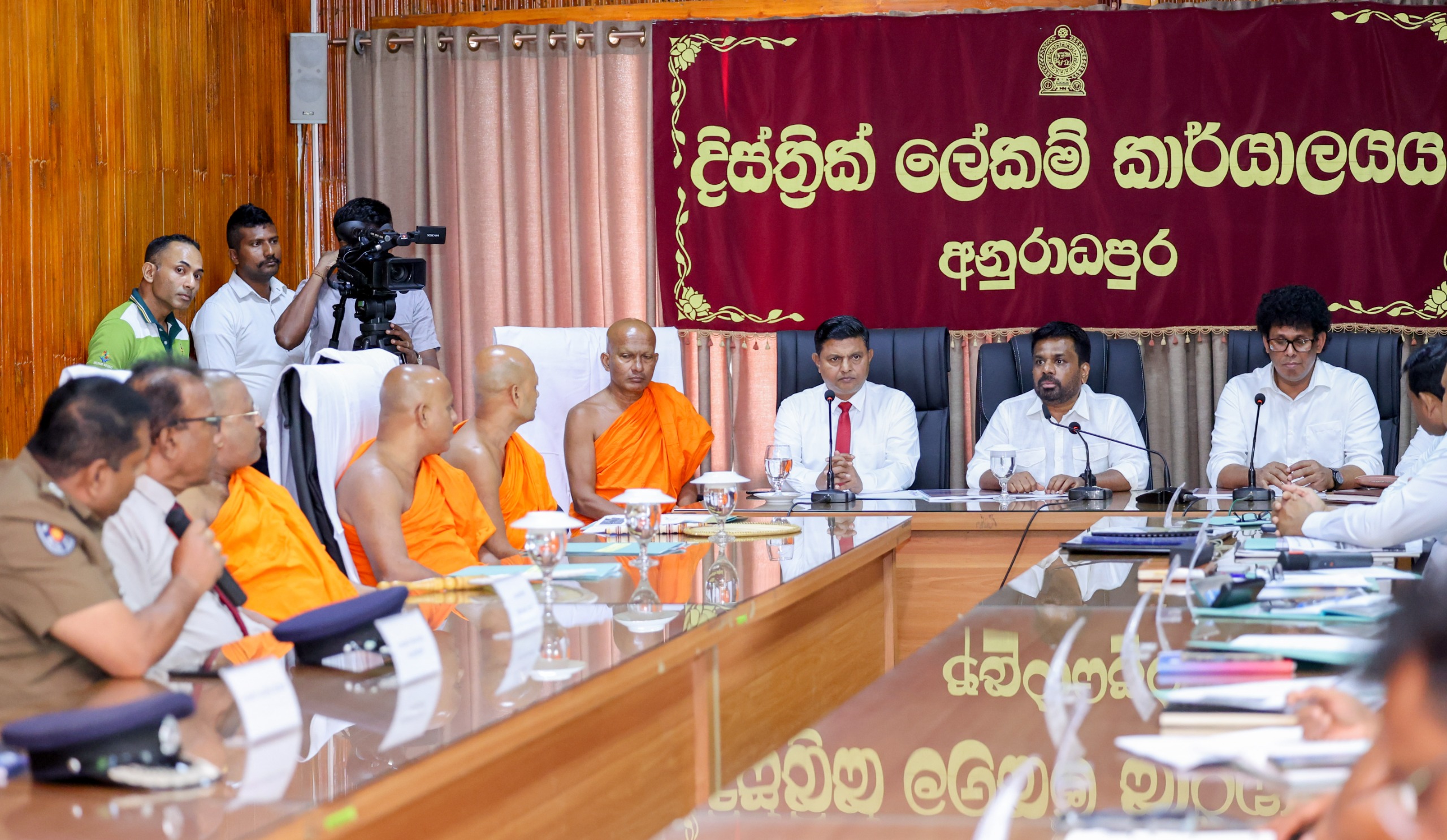
President Anura Kumara Dissanayake has instructed state officials to commence work on the Anuradhapura Sacred City Development Plan before year's end, marking a significant expansion of the project's scope and funding. According to the President's Media Division, discussions held at the Anuradhapura District Secretariat on August 29 resulted in the decision to increase investment to Rs. 6.5 billion with assistance from the Government of India. The Director General of the National Physical Planning Department has been tasked with presenting an updated plan to the Anuradhapura Sacred City Development Committee by September 8, with final details expected by September 15.
A central focus of the initiative involves addressing environmental concerns and improving accessibility for pilgrims visiting the eight sacred sites known as the Atamasthana. The President has directed officials to restrict diesel vehicles within the Sacred City and introduce a circular transport service using electric buses operated by the Municipal Council. Complementary infrastructure improvements include dedicated pedestrian and cycling lanes, rest areas for arriving travelers, and encouragement of foot-based pilgrimage routes.
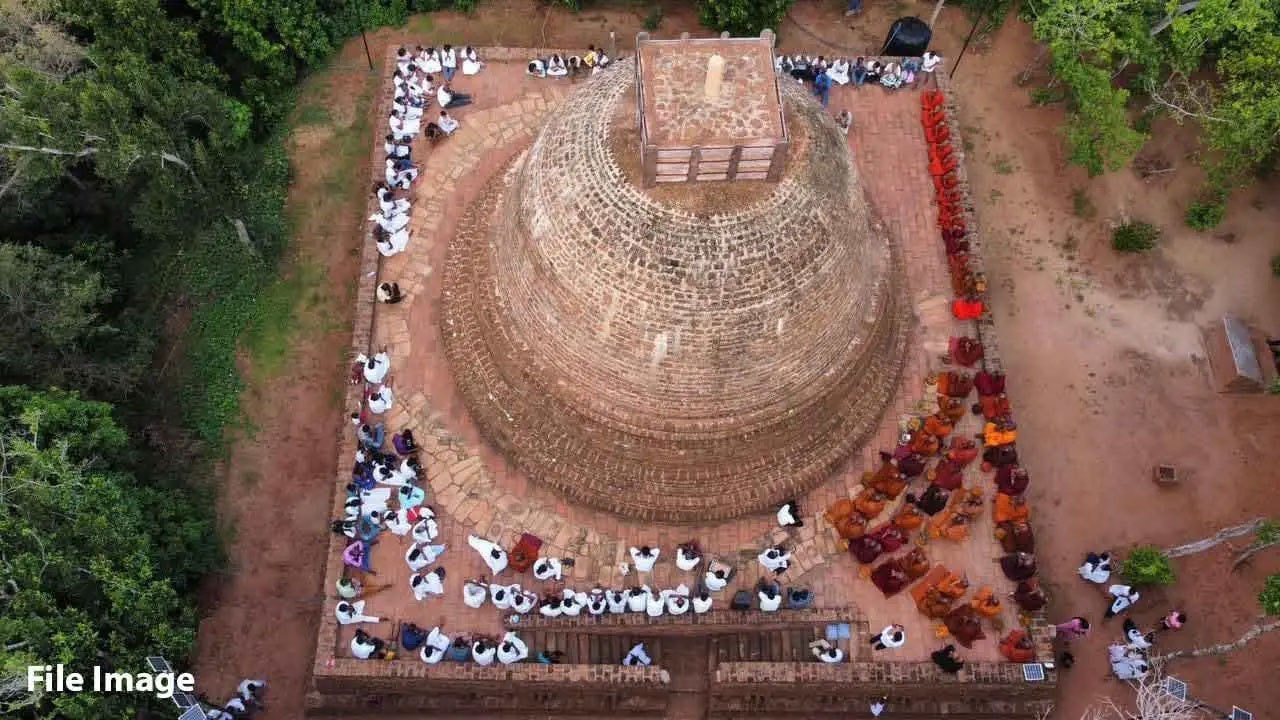
The development plan envisions expanding the existing Sacred City boundary from 28 square kilometers to 38 square kilometers. The President emphasized treating archaeological locations as "living historical sites" rather than mere ruins, requiring development plans to accommodate ongoing veneration by devotees. Officials have been instructed to establish clear distinctions between components undertaken by UNESCO and those implemented with Indian support.
Another significant component involves resettling 331 families currently residing in the Inner City to Lolugaswewa, with the President directing officials to engage residents directly regarding compensation options including land, housing, or financial settlements. The meeting, which included representatives from the Maha Sangha and relevant ministers, also emphasized prioritizing project components to prevent delays caused by archaeological excavations.