Sri Lanka Cricket's Transformation Committee has unveiled proposals for a new constitution featuring a governing structure with seven elected and seven appointed directors, alongside a significant reduction in voting rights from 59 to 39 votes.
Sri Lanka Cricket (SLC) is set to undergo substantial governance reforms if proposed constitutional changes are approved, according to an announcement by the Transformation Committee. The new structure would establish a 14-member board composed equally of elected and appointed directors, departing from the current system that relies more heavily on electoral representation.
Under the proposed framework, seven independently appointed directors would be selected through a nominations process involving recognised professional bodies including the Bar Association of Sri Lanka, the Institute of Chartered Accountants of Sri Lanka, and the Ceylon Chamber of Commerce, alongside a government representative. These appointed members would bring specified expertise in areas such as accounting, law, marketing, information technology and cricket administration. At least one position would be reserved for a retired cricketer meeting defined criteria. The board's chairperson would be selected exclusively from the appointed directors rather than elected members, a measure intended to enhance administrative independence.
The seven elected directors would come through a restructured voting system tied directly to cricket participation. Only clubs competing in top domestic tiers would retain voting rights, with provincial cricket bodies also represented. This change would reduce total votes from the current 59 to 39, with clubs facing potential loss of voting privileges if relegated. Board members would be limited to two consecutive four-year terms, with appointed directors serving on rotation to ensure continuity.
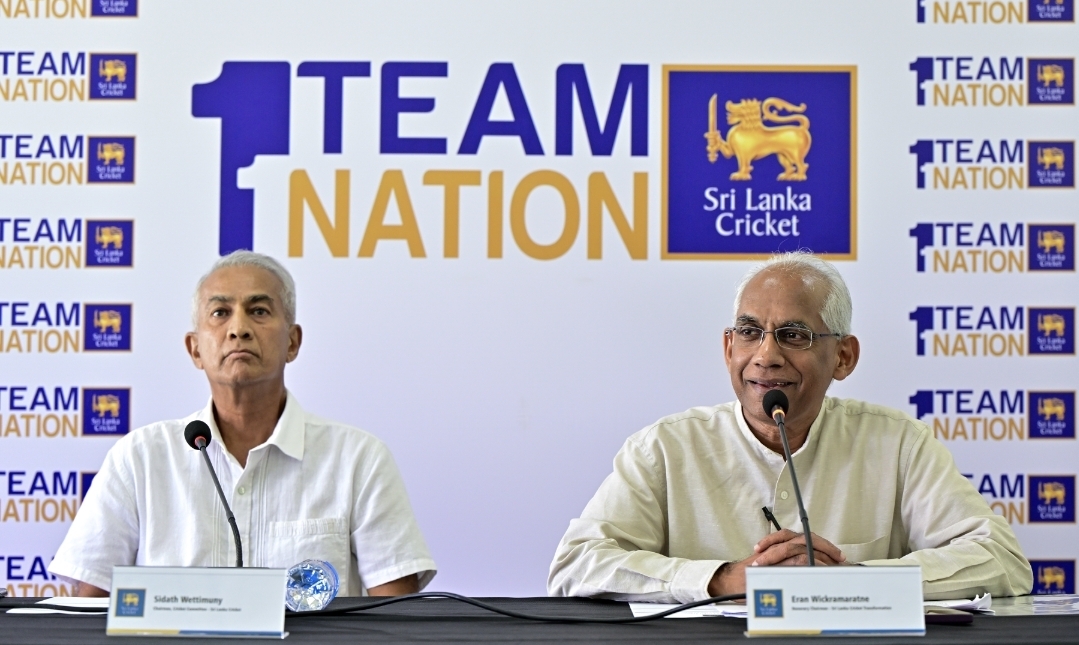
Transformation Committee Chairman Eran Wickramaratne stated the reforms aim to create clearer separation between the board's governance responsibilities and management's day-to-day operations. The draft constitution will undergo review by the Attorney General and Legal Draftsman's Department before advancing through Cabinet approval, parliamentary readings, and potential Supreme Court challenge. The International Cricket Council has requested timely completion of the electoral process without imposing a specific deadline.