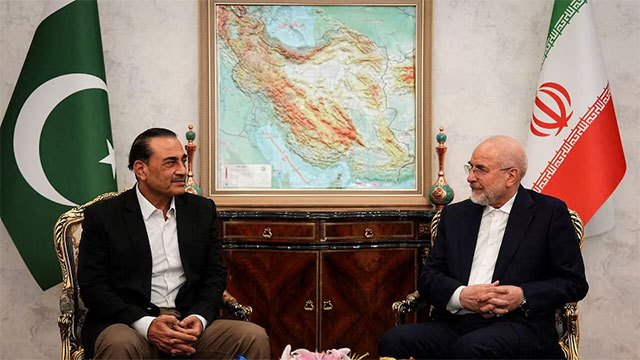

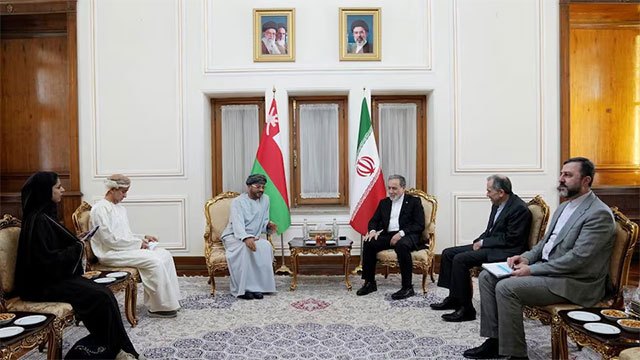
Iran and Oman have resumed discussions about establishing a temporary navigational corridor through the Strait of Hormuz amid ongoing tensions with the United States and economic pressure from new sanctions.
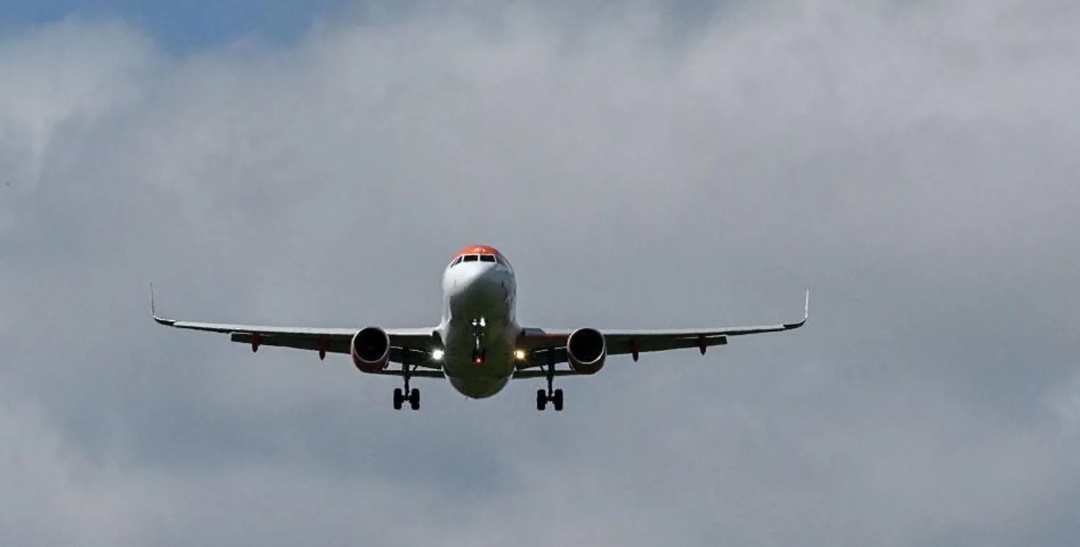
Iran and its neighbor Oman announced Tuesday that they are pursuing negotiations to create a joint temporary shipping corridor through the Strait of Hormuz, a critical waterway that typically handles approximately one-fifth of global oil and liquefied natural gas trade. The two countries agreed in principle to clear the strategic passage of mines as part of their effort to restore maritime traffic through the strait, which has seen most shipping halted since February.
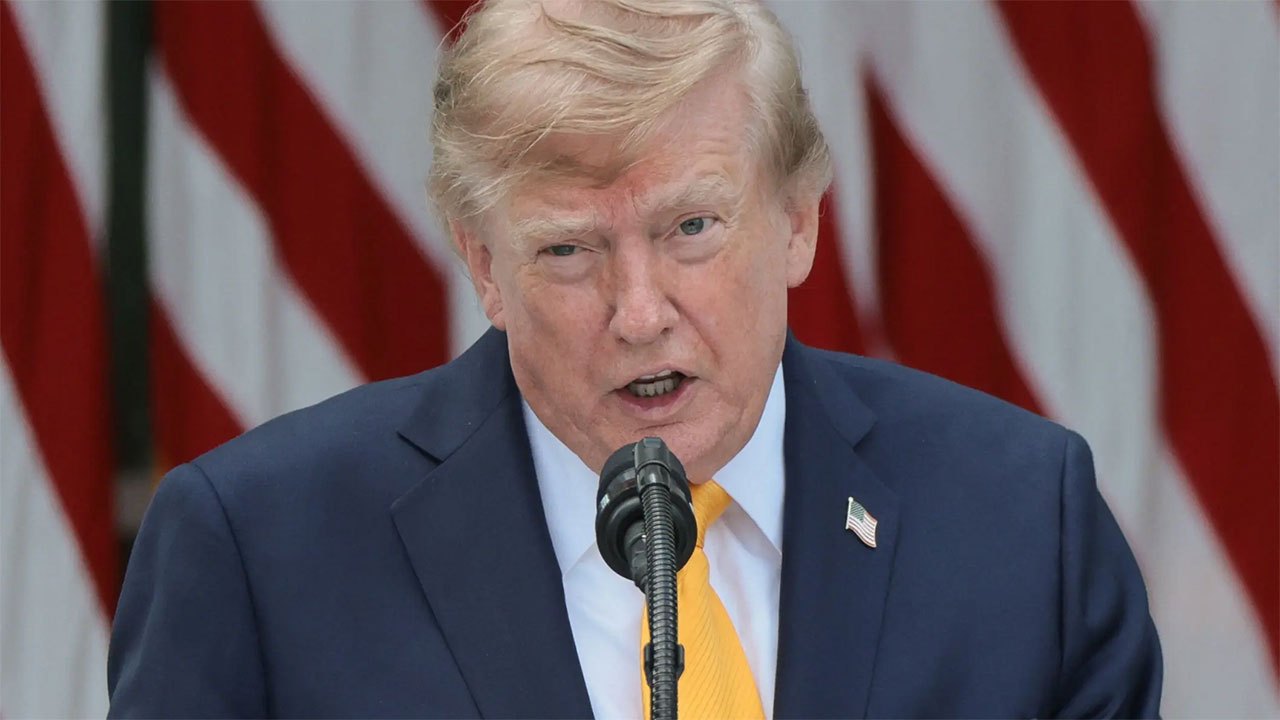
Despite these diplomatic moves, security concerns remain acute. A tanker was struck by an unidentified projectile and disabled near the strait's entrance on Tuesday, according to the United Kingdom Maritime Trade Operations. Additionally, the U.S. Secret Service reported awareness of a video broadcast by Iranian state television discussing a potential plot against Trump's youngest son, Barron Trump, which included references to a reported $10 million bounty.
The United States has intensified economic pressure on Iran this week by threatening to penalize countries maintaining business relationships with Tehran, though it indicated such measures would not be implemented immediately. Iran characterized the U.S. approach as "gross lawlessness" and expressed confidence that many nations would resist joining a sanctions campaign. Oil prices declined for a second consecutive day as markets appeared unmoved by the sanctions threat.
Meanwhile, the U.S. State Department has begun returning diplomatic personnel to some Middle Eastern missions that were previously evacuated or reduced, suggesting Washington perceives lower near-term escalation risks, though affected embassies will initially operate below full capacity. Overall, American public support for the conflict has reached its lowest point since early in the dispute, while President Trump's approval ratings have similarly declined ahead of November's congressional elections.