Diplomatic efforts between Iran and the United States have collapsed following the expiration of a June ceasefire agreement, with Tehran threatening offensive military action and Washington ruling out further extensions.
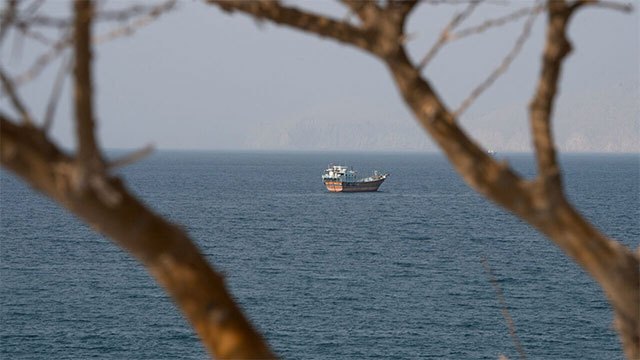
Negotiations between Iran and the United States have reached an impasse after a temporary ceasefire agreement expired on Monday. According to Reuters, an Iranian official stated that the country would adopt a "fully offensive" military posture, warning of potential escalation in the Strait of Hormuz and surrounding regions. The official indicated Iran would conduct "timely and precise" military operations to counter a U.S. naval blockade if diplomatic channels closed entirely.
The June memorandum of understanding, signed on June 17, had provided a 60-day window for concluding a comprehensive peace agreement and addressing Iran's nuclear programme alongside U.S. sanctions. However, the accord rapidly deteriorated over disputes regarding control of the Strait of Hormuz, a critical waterway through which approximately one-fifth of global oil and liquefied natural gas transited before hostilities resumed. Iran contends that provisions within the agreement grant it management rights over the strait, while the United States has rejected this interpretation. President Donald Trump confirmed Monday that Washington would not extend the interim ceasefire.
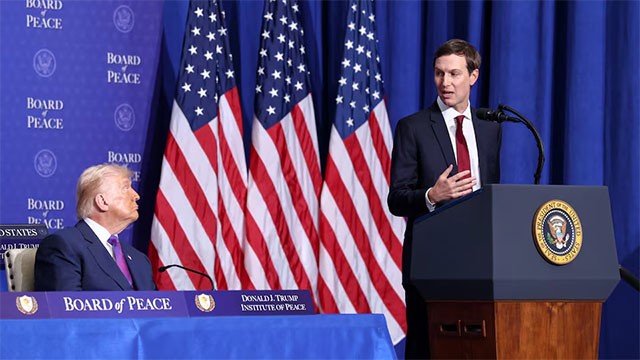
Despite the breakdown in formal negotiations, some diplomatic channels remain active. According to Axios, the Trump administration has opened back-channel communications with Iran's Islamic Revolutionary Guard Corps through intermediaries, with former Director of National Intelligence Tulsi Gabbard reportedly conveying messages to IRGC commander General Ahmad Vahidi. Trump's special envoy Jared Kushner stated that government-to-government conversations "at all levels is probably more robust than it's maybe ever been."
The conflict has created significant economic repercussions globally. Oil prices have surged substantially during the war, with Brent crude reaching $126 per barrel—approximately 75 percent above pre-war levels—before settling at $90.87 on Monday. American gasoline prices have exceeded $4 per gallon, compared to under $3 before hostilities commenced. Trump has separately threatened military action against Oman should it obstruct U.S. interests during its separate negotiations with Iran regarding strait management.