The United States has announced expanded sanctions targeting Iran's economy, prompting Iranian officials to vow both economic and military responses. Treasury Secretary Scott Bessent stopped short of imposing the harshest penalties, citing concerns about destabilizing global financial systems.
The U.S. Treasury Department unveiled new economic sanctions against Iran on Monday, announcing measures targeting 60 individuals, entities and vessels. Treasury Secretary Scott Bessent indicated that additional penalties could follow for countries continuing to trade with Iran, warning they risk exclusion from the dollar-based financial system. However, Bessent declined to immediately identify which nations would face penalties or specify implementation timelines, saying he wanted to provide time for compliance.
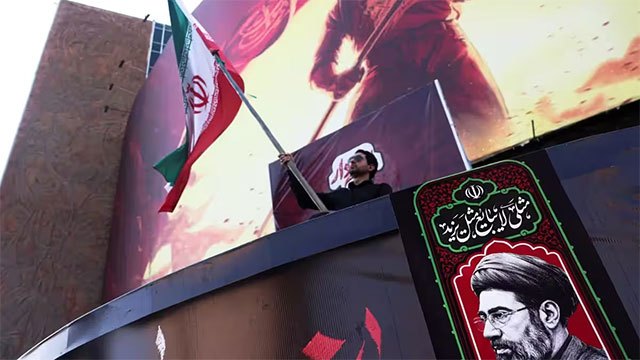
Iranian officials responded firmly to the announcement. Economy Minister Ali Madanizadeh stated that Iran was prepared for sanctions, telling state television that the country possessed defensive capabilities and warned that "enemies should wait for an attack." Brigadier General Hossein Mohebbi of Iran's Islamic Revolutionary Guard Corps vowed heavy consequences targeting U.S. interests and energy infrastructure if Iranian facilities face threats. Madanizadeh also claimed that neither China nor Russia had accepted the U.S. measures and predicted other nations would similarly resist.
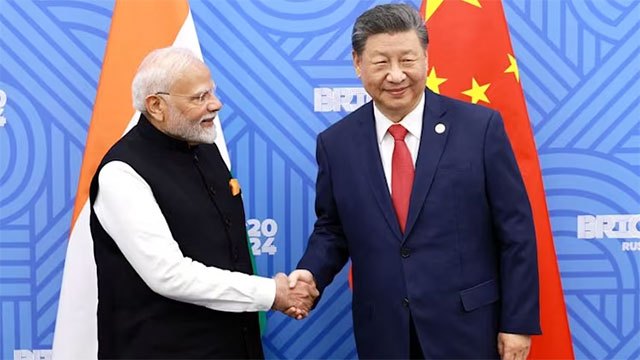
When questioned about why Chinese financial institutions suspected of facilitating Iran's oil trade were excluded from the sanctions list, Bessent responded that he wanted to avoid destabilizing global financial systems. However, he emphasized that no entity stood above U.S. sanctions reach. China's Foreign Ministry stated that sanctions and pressure tactics were counterproductive and that Beijing would protect its interests accordingly.
Despite the escalating rhetoric, oil prices fell more than $2 per barrel following the announcement, though investors remained concerned about potential supply disruptions from the Middle East. Meanwhile, Pakistani army chief Asim Munir visited Tehran on a peace mission, with Iranian President Masoud Pezeshkian telling him that the U.S. needed to adjust its approach, as coercion would only complicate negotiations. Pakistan had previously brokered an interim agreement between the nations in June, though it quickly deteriorated.