Qatar's prime minister has pressed Iran to respect freedom of navigation in the Strait of Hormuz, with Tehran agreeing to prepare conditions for reopening the vital shipping route amid broader regional tensions.
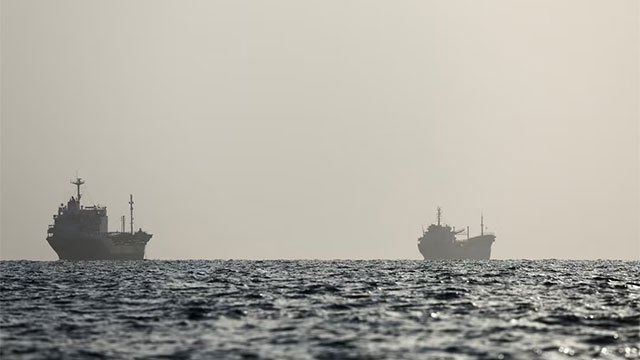
Diplomatic efforts to restore normal shipping traffic through the Strait of Hormuz have intensified, with Qatar's Prime Minister Sheikh Mohammed bin Abdulrahman Al Thani traveling to Tehran this week to emphasize the importance of international navigation rights. The visit underscores ongoing attempts by regional mediators to stabilize one of the world's most critical maritime passages, which before recent conflict handled approximately 20% of global oil supply.
Iran's Supreme National Security Council secretary Mohsen Rezaei indicated that Tehran has agreed to prepare a list of conditions for reopening the strait following mediation requests. According to Rezaei, Iran and Oman have negotiated a shipping corridor with designated channels, though he stated that implementation would depend on whether the United States meets Iran's demands. Historically, these conditions have included lifting port blockades, sanctions removal, and compensation payments. However, it remains uncertain whether Iran will modify its stance to accommodate American interests.
The diplomatic situation reflects broader tensions following a June memorandum of understanding brokered by Qatar and Pakistan that established a ceasefire and shipping terms. That agreement collapsed after disputes over Iran's authority regarding maritime arrangements. Meanwhile, the United States has pursued an alternative approach, with military commanders reporting they have cleared sea mines from the strait and assisted commercial vessels in transit. According to U.S. Central Command, American forces have helped 1,500 vessels carrying nearly 750 million barrels of crude oil pass through recently.
Despite official claims of open lanes, actual shipping activity remains significantly depressed. Ship tracking data suggests current volumes represent only 5% to 15% of normal levels, as many vessel operators continue avoiding the route due to Iranian threats. The International Maritime Organization has documented 70 incidents since the conflict began, resulting in 19 seafarer deaths.