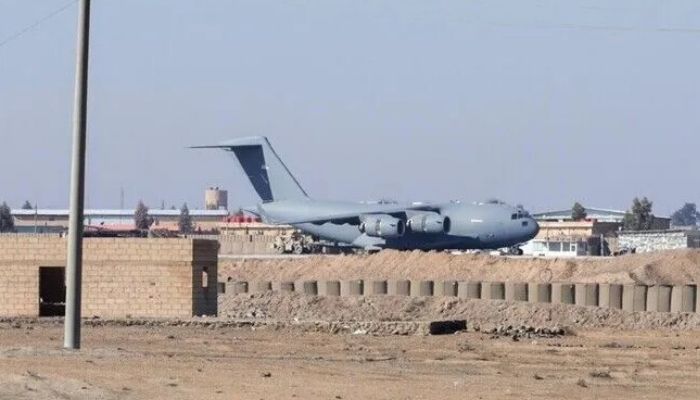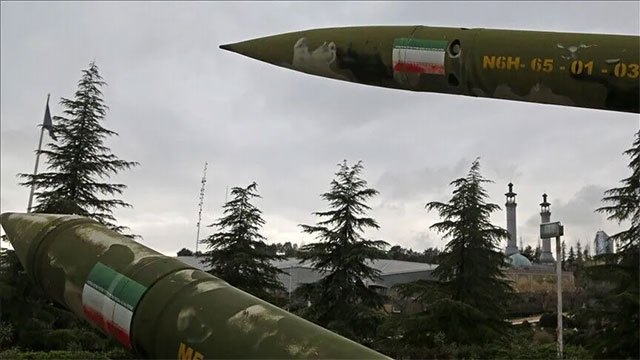
According to the Financial Times, Iranian officials have assessed potential military strikes against US installations in southeastern Europe, including air bases in Bulgaria and Cyprus, should the Trump administration escalate hostilities in the region.
Iran has explored the possibility of targeting US military assets located in Europe should President Donald Trump intensify military operations, the Financial Times reported Wednesday, citing sources within the Iranian government. The assessment reportedly includes potential strikes on US facilities in southeastern European countries, with Bulgaria's Bezmer air base—recently approved for use by American refueling aircraft—among the sites under consideration. Cyprus, home to a British air base that came under drone attack in March, has also been mentioned as a potential target in response to renewed US offensive action.
Beyond conventional military targets, Iranian forces have examined additional options for expanding the conflict geographically. These contingency plans reportedly include targeting subsea fiber-optic cables in the Strait of Hormuz, according to the Financial Times account. One source quoted by the publication stated that Tehran was preparing various response scenarios, warning that should the United States "go too far, Iran will defend itself at any price, go beyond the region and hit Europe too."
Military experts cited in the report acknowledged that Iran possesses missiles capable of reaching parts of southern and southeastern Europe, though they cautioned that accuracy and effectiveness could diminish over such extended ranges. Iranian military officials have previously warned that any base used to launch attacks on Iranian territory could become a legitimate military target.
The reported strategic assessments emerge amid stalled diplomatic channels. President Trump confirmed Tuesday that no active negotiations or scheduled talks are occurring between Washington and Tehran. Earlier diplomatic efforts, including a June memorandum of understanding between the parties, ultimately collapsed amid mutual allegations of treaty violations and renewed hostilities. Negotiations regarding reopening the Strait of Hormuz and broader agreements remain deadlocked.