

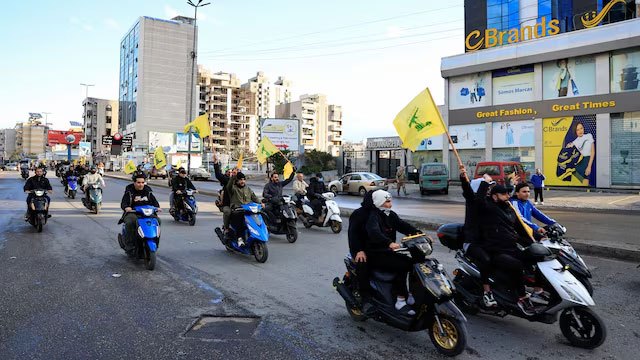
Israel's defence minister has clarified that Israeli forces will remain in southern Lebanon until Hezbollah is fully disarmed, a statement that prompted pushback from the United States over compatibility with existing agreements.
Israel's Defence Minister Israel Katz stated on Thursday that Israeli forces would not leave southern Lebanon until Hezbollah undergoes complete disarmament and ceases to pose a threat across the country. The clarification came after Katz's remarks the previous day about maintaining a permanent security presence drew criticism from the United States, which expressed concern that such an arrangement conflicted with commitments made under the U.S.-backed framework agreement between Israel and Lebanon's government.
Katz announced that he had instructed the Israeli Defence Force to prepare for an extended occupation of the region to protect combat forces and communities until disarmament objectives were met. This statement mirrors recent positions taken by Prime Minister Benjamin Netanyahu regarding Israeli operations in Gaza, where he has similarly conditioned withdrawal on the disarmament of Hamas. Political analysts note the government's emphasis on security messaging ahead of elections scheduled for October 27.
The U.S. State Department responded by reiterating that a permanent Israeli military presence in southern Lebanon contradicts the framework agreement, which envisions a phased Israeli withdrawal contingent on verified Hezbollah disarmament and the Lebanese military's assumption of control in the south. Officials stated that Washington would continue supporting implementation of agreed pilot zones for this transition.
Hezbollah, which initiated the latest conflict with Israel following the October 2023 Gaza war outbreak, has rejected any weapons discussions before an Israeli withdrawal. Lebanese residents and officials have expressed concern about indefinite Israeli occupation. One Beirut resident noted that Israel had previously occupied Lebanon before eventually withdrawing through negotiation or military pressure, suggesting current occupation would not be permanent.



-850802_850x460.jpg)