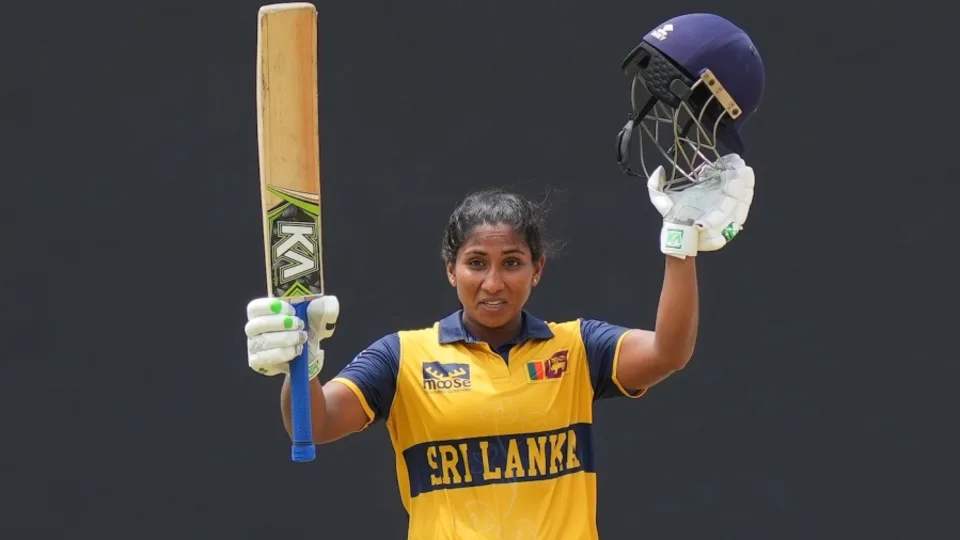
Sri Lanka's women's cricket team has undergone a significant transformation since their 2024 Asia Cup victory, developing multiple match-winners beyond captain Chamari Athapaththu and adopting a more aggressive playing style under new coach Jamie Siddons.
Sri Lanka's women's cricket team has undergone a marked evolution since their watershed 2024 Asia Cup triumph in Dambulla. Previously, the team's international success had been heavily dependent on captain Chamari Athapaththu, with victories often determined by her individual performances. The Asia Cup victory, featuring crucial contributions from players like Harshitha Samarawickrama and Kavisha Dilhari against India, demonstrated that the team possessed deeper batting resources than previously evident.
The progress proved uneven following that breakthrough. A disappointing T20 World Cup group stage exit and a winless 2025 campaign prompted structural changes, including the departure of head coach Rumesh Ratnayake. However, 2026 has marked a notable upturn, with new head coach Jamie Siddons implementing a more aggressive batting approach since his arrival in March. Siddons identified boundary-scoring as a key deficiency, stating that Sri Lanka needed to match opposition boundary counts to compete against elite teams.
Younger players have seized the opportunity to establish themselves. Imesha Dulani, 24, became the first Sri Lankan woman other than Athapaththu to score a T20 International century, while Samarawickrama and Vishmi Gunaratne, 21, have also contributed centuries. This emerging talent pool has created genuine competition for top-order positions, with players like Hasini Perera also staking claims. Athapaththu, now 36, has responded with improved form, recording her best strike rate in a calendar year at 143.80 in 2026 after a quieter 2025.
The structural improvements suggest Sri Lanka is developing a more balanced squad capable of competing against stronger opponents. While still considered underdogs against India, the team now possesses multiple potential match-winners and an increasingly aggressive approach aligned with modern cricket practices. Analysts suggest that if the team can sustain periods when all elements coalesce effectively, consecutive Asia Cup titles may be achievable.