

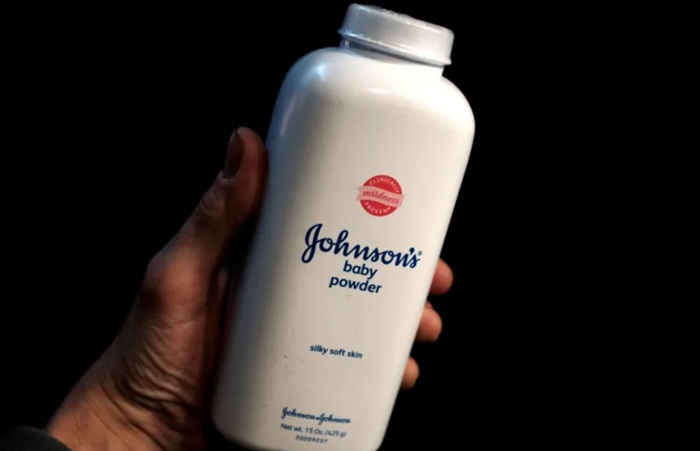
The pharmaceutical company has agreed to a settlement covering approximately 69,000 talc-related cases in American courts, though the deal requires approval from 95 percent of claimants to become final.
Johnson & Johnson announced on Monday a $5.5 billion settlement to resolve tens of thousands of lawsuits alleging that its discontinued talc-based baby powder caused ovarian cancer. The agreement encompasses roughly 69,000 cases across US federal and state courts, representing 99.75 percent of outstanding talc-related claims in the country. However, the settlement will only take effect once it receives acceptance from 95 percent of claimants involved in the litigation.
Talc, a naturally occurring mineral, was historically widely used in cosmetics and personal care products before health concerns emerged regarding potential cancer risks. The World Health Organization classified talc as "probably carcinogenic to humans" in 2024. Despite the settlement, J&J continues to maintain that no scientific evidence demonstrates a link between talc and cancer. The company discontinued sales of talc-based baby powder in the United States in 2020 and globally in 2023.
The dispute spans over a decade, beginning with a 2016 jury verdict ordering J&J to pay $72 million to the family of a woman who died of ovarian cancer—the first such case in the United States. Although that ruling was overturned a year later, similar claims have accumulated, with juries across the country repeatedly finding in favor of plaintiffs. J&J's litigation leadership described the settlement as enabling the company to "put this matter behind it," while lawyers representing the claimants characterized the agreement as a significant resolution.
The settlement does not extend to the United Kingdom, where a separate major product liability case involving more than 7,000 potential claimants is proceeding through the High Court. Filed in October 2025, the UK litigation contends that J&J was aware talc could cause ovarian cancer and mesothelioma but continued selling the product—allegations the company denies.








-848812_850x460.jpg)
