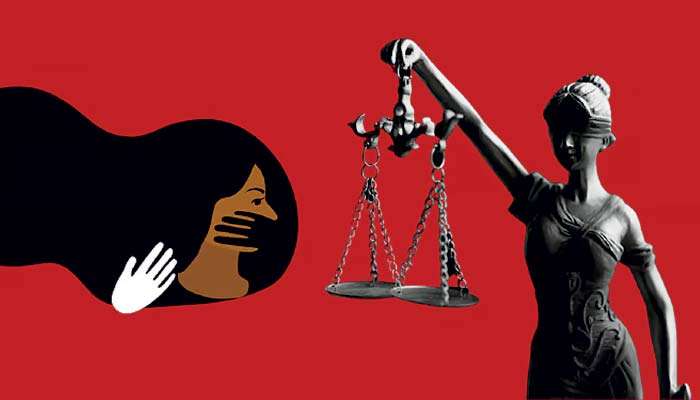
A man has been convicted of raping a girl starting at age 12, with the case concluding after nearly 15 years in the justice system. While celebrated as a success, advocates argue the lengthy delay highlights systemic failures in protecting child survivors.
A court has convicted a man of three counts of rape and sentenced him to 15 years imprisonment on each count, with sentences to run concurrently, according to the Child Protection Force. The survivor, now an adult, was approximately 12 years old when the abuse began at the hands of her maternal uncle. She became pregnant as a result of the abuse, and the child was subsequently placed for adoption. The court also ordered the perpetrator to pay Rs. 1 million in compensation to the survivor and a fine of Rs. 10,000 on each count.
The case took nearly 15 years to reach its conclusion, during which time the survivor transitioned from childhood to adulthood within the justice system. DNA evidence proving a 99.9% biological match between the survivor, her child, and the accused played a crucial role in the conviction. However, the path to justice proved complicated. When the survivor initially reported the abuse at age 14, she later changed her statement under pressure from relatives, claiming the perpetrator was an unidentified person rather than her uncle. According to child protection advocates, this change reflects the psychological impact of trauma rather than dishonesty.
The Child Protection Force emphasizes that the conviction, while important, should not be viewed as a model outcome given the extensive delay. The organization notes that trauma affects how children disclose abuse—some may freeze during assault, remain silent initially, or change statements due to fear and manipulation. During the legal process, the survivor was placed in a child care institution and eventually completed her secondary education while the case proceeded. Advocates argue that the justice system must better understand trauma's effects on child victims and provide sustained psychological support throughout proceedings.
The organization raises broader concerns about Sri Lanka's overburdened courts, which continue to have tens of thousands of pending cases. In child abuse cases specifically, prolonged delays mean children age while awaiting justice, memories fade, and witnesses become unavailable. The Child Protection Force calls for victim advocacy to become central to the justice system, ensuring child survivors are protected, informed, and shielded from re-traumatization rather than treated merely as witnesses.