
A massive waste mound collapsed at a landfill in Conakry, Guinea early Sunday morning following heavy overnight rainfall, killing at least 30 people and injuring 22 others. The disaster occurred days after authorities announced plans to close the site due to safety concerns.
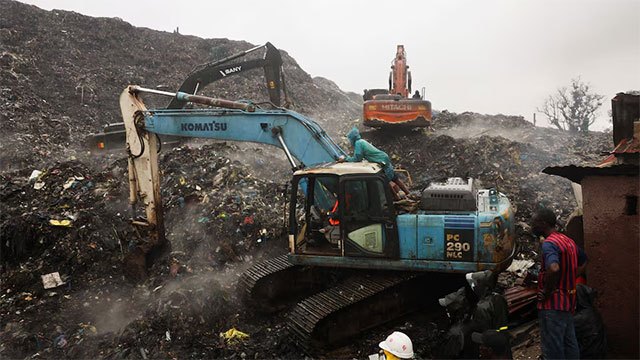
A landslide at a landfill in Guinea's capital city claimed at least 30 lives when heavy rains triggered the collapse of an enormous waste mound in the early hours of Sunday morning. The incident took place around 2 a.m. in the Gbessia commune of Conakry, according to government officials. In addition to those killed, six people sustained serious injuries while 16 others received minor injuries. Rescue teams deployed excavators and other equipment to clear debris from the site, which witnesses described as large enough to engulf residential structures.
The tragedy struck less than a week after Guinea's government announced its intention to permanently shut down the landfill and relocate its contents, citing safety hazards particularly during the rainy season. The region experiences recurring landslides and flash floods during the wet months, a pattern that affects crowded, underdeveloped urban areas throughout parts of West Africa. The disaster underscores the vulnerability of communities living in proximity to poorly maintained waste facilities.
Accounts from survivors revealed the human toll of the disaster. One woman, Cire Diallo, reported the loss of all five of her children in the incident. Prime Minister Amadou Oury Bah visited the site on Sunday to assess the situation and coordinate emergency response efforts. Government communications urged residents to remain calm and cooperate with rescue personnel and relevant authorities.
While Guinea possesses vast natural resources, including the world's largest bauxite reserves and significant untapped iron ore deposits, the country faces serious development challenges. Approximately 3.7 million of Guinea's 15.1 million residents live below the poverty line of $4.20 daily, according to World Bank data from April.