

අද වන විට, මෝටර් වාහන ක්ෂේත්රය දැවැන්ත පරිවර්තනයකට මුහුණදෙමින් සිටියි. නව තාක්ෂණය උපයෝගි කරගනිමින් වර්තමානයේ විදුලි වාහන හා ස්වයංක්රීය රියැදීමේ තාක්ෂණය ආදිය මගින් මෙම ක්ෂේත්රය නව මඟකට පරිවර්ථනය වෙමින් පවතී. තත්ත්වය එසේ වුවද, වර්තමානයේ යම් යම් හේතුන් නිසා මහා මාර්ගවල සිදුවන වා…
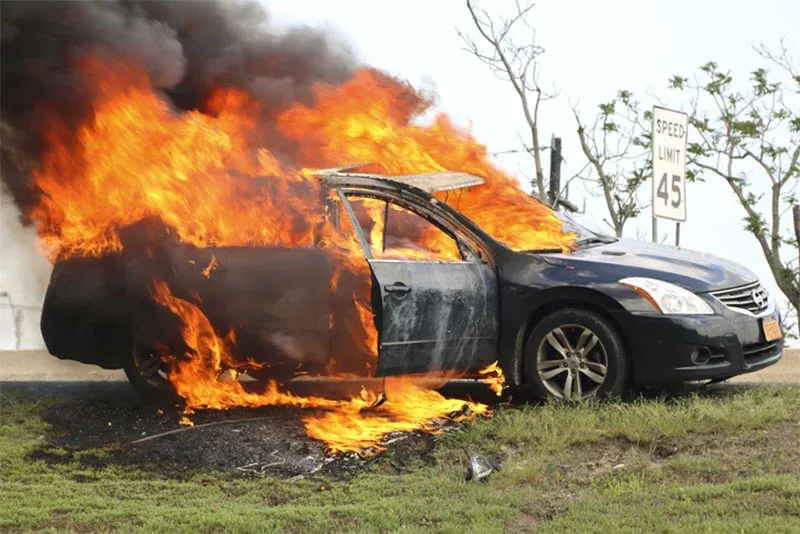
අද වන විට, මෝටර් වාහන ක්ෂේත්රය දැවැන්ත පරිවර්තනයකට මුහුණදෙමින් සිටියි. නව තාක්ෂණය උපයෝගි කරගනිමින් වර්තමානයේ විදුලි වාහන හා ස්වයංක්රීය රියැදීමේ තාක්ෂණය ආදිය මගින් මෙම ක්ෂේත්රය නව මඟකට පරිවර්ථනය වෙමින් පවතී. තත්ත්වය එසේ වුවද, වර්තමානයේ යම් යම් හේතුන් නිසා මහා මාර්ගවල සිදුවන වාහන ගිනි ගැනීම් දිනෙන් දින වැඩි වෙමින් පවතී. මෝටර් වාහන ගින්නක් යනු කුමක්ද? මෝටර් වාහන ගින්නක් යනු, වාහනයක එන්ජිම ක්රියාත්මක වී පවතින අතරතුර හෝ එන්ජිම නතරව සිටින අතරතුර හෝ, සිදුවන ගිනි ගැනීමකි. මෙවැනි ගින්නක් සිදුවීමට ඇති හැකියාව ඉතාමත්ම අල්ප වන අතර විවිධ කාර්මික හා වෙනත් විවිධ සාධකයන් හේතු කොට ගෙන මෝටර් වාහන ගිනි ගැනීම් සිදුවිය හැක. මෝටර් වාහන ගින්නක් යනු ඉතාමත් භයානක සිදුවීමක් වන අතර, එය දැඩි දේපළ හානි, පුද්ගල ආබාධ සහ අවසානයේ මරණයට පවා ද හේතු විය හැක. කඩිනම් ආරක්ෂක නීති රෙගුලාසි, උසස් තාක්ෂණයෙන් යුත් වාහන සැලසුම් සහ ගිනි ප්රතිරෝධී ද්රව්ය භාවිතය යන වඩාත්ම නවීනව විකසන වන කරුණු හේතුවෙන් නූතන වාහනවල ගින්නකට ලක්වීමේ අවදානම ඉතා අඩු කර ඇත. මෙම දියුණුව තිබියදීත් මෝටර් රථ ගිනි ගැනීම් තවමත් වැඩි වෙමින් පවතී. මෙසේ මෝටර් රථ ගිනි ගැනීම් සිදු වීමට ඒවායේ තිබෙන්නා වූ යාන්ත්රික දෝෂවල සිට මිනිස් දෝෂ දක්වා වූ විවිධ සාධක හේතු විය හැක. මෝටර් රථ ගිනි ගැනීමක් ඇතිවිය හැකි ආකාර යාන්ත්රික දෝෂ (Mechanical Failures) – වාහනයේ එන්ජිමේ හෝ ඉන්ධන පද්ධතියේ (fuel system) හෝ පිටාර පද්ධතියේ (exhaust system) සිදුවන අක්රමිකතා නිසා ඒවා අධික ලෙස රත්වීමෙන් (overheating) හෝ ඒවා අතර ගිනි පුලිඟු පැනීම (sparking) නිසා හෝ අවට තිබෙන ගිනි ගන්නා ද්රව්ය ගිනි ගැනීම්වලට ලක්වීම හේතුවෙන් සිදුවන ගිනි ගැනීම්. උදාරණයක් ලෙස දෝෂ සහිත රේඩියේටර් හෝ අවහිර වූ සිසිලන පද්ධතිය එන්ජිම අධික ලෙස රත්වීමට හේතු විය හැක. විදුලි දෝෂ (Electrical Malfunctions) – විද්යුත් උපාංගවල සිදුවන දෝෂ (alternator fyda battery) හෝ විදුලිය ලුහුවත් වීම් (sparking) නිසා හට ගන්නා ගිනි පුලිඟු පැනීම් මගින් අසල අති ගිනිගන්නා ද්රව්ය, එනම් විදුලි රැහැන්වල බාහිර ආවරණ හෝ අවට ඇති ප්ලාස්ටික් ගිනි ගැනීම මගින් ඇතිවිය හැක. නවීන මෝටර් රථ ඉලෙක්ට්රොනික උපාංග මත දැඩි ලෙස රඳාපවතින බැවින් වර්තමානයේ විදුලිමය දෝෂ නිසා වන මෝටර් රථ ගිනිවල වර්ධනයක් වාර්තා වී ඇත. එන්ජිම අධි උෂ්ණත්වයට පත්වීම (Engine Overheating) – එන්ජිමෙහි හෝ තිරිංග පද්ධතියේ, නිසි නඩත්තුවක් නොමැතිකම නිසා සිදුවන හානි හේතුවෙන් ඒවා අධික ලෙස රත්වීමට ලක්වේ. මෙසේ අධික ලෙස රත් වූ විට තරල කාන්දුවීමක් හෝ වාෂ්ප වීමක් සිදු වීම ගිනි ගැනීම්වලට හේතුවේ. ඉන්ධන කාන්දුවීම් (Fuel Leaks) – ඉරිතලා අති ඉන්ධන නළ හෝ හානියට පත් ඉන්ධන ටැංකි මගින් ඉන්ධන කාන්දුවීම් සිදුවේ. මෙම කාන්දු වූ ඉන්ධන රත්වූ පෘශ්ඨ මතට වැටීම හේතුවෙන් ගිනි ගැනීම් සිදුවේ. වාහන අනතුරු (Accidents) – වාහන අනතුරු හා ගැටීම් මගින් වාහනයේ ඉන්ධන පද්ධතියේ හෝ එන්ජිමෙහි හෝ විද්යුත් පද්ධතියේ හානි වීම් සිදුවිය හැක. මෙම හානි වීම් මගින් ගිනි ගැනීම්වලට ලක්විය හැක. ★ නිසි නඩත්තුවක් නොමැතිකම හා අලෙවියෙන් පසු සිදුකරනු ලබන වෙනස් කිරීම් මත – වාහනය නිසි කාල සීමාවන්හිදී නඩත්තු නොකිරීම, හානි වූ කොටස් මාරු නොකිරීම, තත්ත්වයෙන් බාල කොටස් සවි කිරීම හෝ විවිධ වෙනස් කිරීම්වලට ලක් කිරීම හේතුවෙන් ගිනි ගැනීම් සිදුවේ. රක්ෂණාවරණ ලබා ගැනීමේ අරමුණ මත හෝ වෙනත් අපරාධ සැඟවීමේ අරමුණ මත හෝ මිනිසා විසින් හිතාමතා කරනු ලබන වාහන ගිනි තැබීම්. විද්යුත් ආරෝපිත විදුලි වාහනවල තත්ත්වයෙන් නුසුදුසු බැටරි භාවිතය, බැටරියෙහි සිදුවන දෝෂ හේතුවෙන්, නුසුදුසු ආරෝපණ ක්රම හේතුවෙන් බැටරි පද්ධතිය ගිනි ගැනීමකට ලක්වේ. ඉහත සඳහන් හේතු මත දිනපතා මහාමාර්ග මත මෝටර් වාහන ගිනි ගැනීම් සිදුවී ඇති ආකාරය අපහට දැකගන්නට ඇත. මෝටර් වාහන තුළ ඇතිවන ගිනි ගැනීම් අවම කර ගැනීම සඳහා ගත හැකි ක්රියාමාර්ග ★ නිතිපතා වාහන පරීක්ෂාව හා නඩත්තුව – වාහනය ධාවනයට පෙර වාහනයේ බැටරිය, විදුලි රැහැන් (electrical wiring), ඉන්ධන මාර්ගය (fuel line), බ්රේක් ඔයිල් (brake fluid), සිසිලනකාරකය (coolant) වැනි දේ පරීක්ෂා කළ යුතු අතර ඒවායේ දෝෂ ඇත්නම් ඒවා පිලිසකර කර ධාවනය කළ යුතුය. ★ වාහනයට ඉන්ධන පිරවීමේදී සැලකිලිමත් බව, නිසි ඉන්ධන හැසිරවීම හා ගබඩා කිරීම – ඉන්ධන සුවඳක් වහනය වන්නේ නම් වහාම වෘත්තීය කාර්මිකයකු ලවා වාහනය පරීක්ෂා කර එය අලුත්වැඩියා කර ගත යුතුය. අනුමත ඉන්ධන වර්ගය පමණක් භාවිතා කළ යුතු අතර වාහනයට ඉන්ධන පිරවීමේදී ඉන්ධන ටැංකියේ පරිමාව ඉක්මවා ඉන්ධන පිරවීම නොකළ යුතුය. එසේ පිටාර ගියේ නම් ඉතාමත් ඉක්මනින් එම ඉන්ධන පිසදැමිය යුතුය. එලෙසම ඉන්ධන පිරවීම සිදු කරන විට දුම් පානය නොකළ යුතු අතර ඉන්ධන වාශ්ප වී ගිනි ගැනීම් සිදු වීම වළක්වාලීමට ඉන්ධන ටැංකියේ මූඩිය (gas cap) තදින් වැසිය යුතුය. ★ වාහනයේ උෂ්ණත්ව මාපකය temperature gauge නිරීක්ෂණය කිරීම – වාහනය අධික ලෙස රත් වේ නම් එය උෂ්ණත්ව මාපකය මගින් පෙන්නුම් කරන බැවින් ඒ පිළිබඳව සැලකිලිමත් වී වහාම වාහනය නතර කර එසේ රත් වීමට හේතු විමසීම, ගිනි ගැනීම් වළක්වාලීමට උපකාරී වේ. එලෙසම ෆැන්ස් සහ බේල්ට්ස් නිසියාකාරව ක්රියා කරන බවට තහවුරු කර ගැනීම, රේඩියේටරය හා සිසිලනකාරකය නිතිපතා පරීක්ෂා කරගැනීම මගින් වාහනය අධික ලෙස රත්වීම වළක්වාගත හැකිය. ★ නව විදුලිමය කොටස් උදාහරණ ලෙස කැමරා පද්ධති, රූපවාහිනි වැනි දැ සවි කිරීමේදී ඒ සඳහා සම්මත නිසි ෆියුස් සහිතව වෘත්තිකයකු ලවා ස්ථාපනය කළ යුතු අතර පලුදු වූ ෆියුස් මාරු කළ යුතුය. ★ හදිසි අවස්ථාවන්හිදි භාවිතා කිරීම සඳහා වාහනය තුළ ගිනි නිවීමේ උපකරණයක් රැගෙන යෑම මගින් ගිනි හානිය අවම කරගත හැක. ★ මෝටර් රථයේ අනතුරු ඇඟවීමේ සංඥා පිළිබඳව අවදානයෙන් සිටීම, ප්ලාස්ටික් හෝ රබර් හෝ ඉන්ධන පිලිස්සුම් ගන්ද පිළිබඳව, වාහනය තුළින් දුමක් නිකුත් වන විට, හදිසියේ වාහනයේ උෂ්ණත්වය වැඩි වීම යන කාරණා පිළිබඳව සැලකිලිමත් වීම. ★ මෝටර් රථය තුළ ගිනි ගන්නා සුළු ද්රව්ය තබා ගැනීම හෝ ප්රවාහනය කිරීම හෝ නොකළ යුතුය. ★ ඉන්ධන මාර්ගවලට, විදුලි පද්ධතියට හෝ එන්ජිමට හානි විය හැකි අනතුරු වළක්වා ගනිමින්, වාහනයේ උපාංගවලට අනවශ්ය පීඩනයක් ඇති වන පරිදි අධික වේගයෙන් රිය පැදවීමෙන් වැලකී ප්රවේශමෙන් හා වගකීමෙන් රිය පැදවීම. ★ විදුලි වාහන සඳහා නියමිත ප්රමිතියෙන් යුතු බැටරි භාවිතා කිරීම, නිසි ලෙස ආරෝපණය කිරීම, අනුමත චාජර් භාවිතා කිරීම හා නඩත්තුව පිළිබඳව නිෂ්පාදක මාර්ගෝපදේශ අනුගමනය කිරීම. ගින්නක් ඇති වූ විට කළ යුතු දේ දැනගන්න වාහනයේ දුම හෝ ගිනිදැල් ඔබ දුටුවහොත් ආරක්ෂිත ස්ථානයකට ගෙන, එන්ජිම ක්රියා විරහිත කර, වාහනය නවතා ආරක්ෂිතව එයින් පිටවිය යුතුය. එය ආරක්ෂිත නම් පමණක් ගින්න නිවා දැමීමට උත්සාහ කළ යුතු අතර නැතහොත් හදිසි සේවා අමතා උදව් ලබා ගත යුතුය. මෙම පියවර ගැනීමෙන්, ඔබට මෝටර් රථයේ ගින්නක් ඇතිවීමේ අවදානම බෙහෙවින් අඩු කර ගත හැකි අතර ඔබේ, ඔබේ මගීන්ගේ සහ මාර්ගයේ සිටින අනෙකුත් අයගේ ආරක්ෂාව සහතික කළ හැකිය. ආරක්ෂිතව සිටීමටත්, ඔබේ වාහනය සහ ආදරණීයයන් මෝටර් රථ ගිනි අනතුරුවලින් ආරක්ෂා කර ගැනීමටත් වගකීමෙන් ක්රියා කිරීම සෑම පුරවැසියකුගේම යුතුකම වේ. එල්.ඒ.ඩබ්ලිව්.කේ. දහනායකජ්යෙෂ්ඨ සහකාර රස පරීක්ෂකපුපුරණ ද්රව්ය හා ගිනි විමර්ශන අංශයරජයේ රස පරීක්ෂක දෙපාර්තමේන්තුව.