

Sri Lanka is experiencing intensified dry conditions linked to a strengthening El Niño phenomenon, with over 70,000 people affected and crop yields declining significantly. Authorities are adjusting agricultural planning in preparation for potential flooding later in the year.
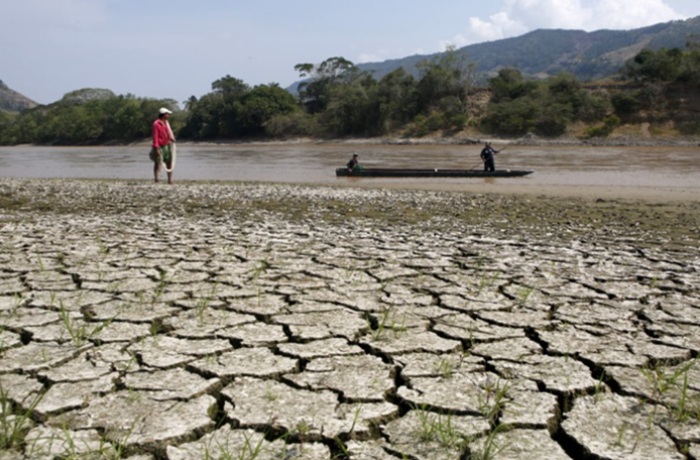
A developing El Niño event is contributing to severe drought conditions across most of Sri Lanka, according to meteorological data and government reports. The Australian Bureau of Meteorology indicates that central Pacific Ocean temperatures could rise as much as 3.6 degrees Celsius above average by November, potentially making this the most powerful El Niño in nearly 75 years. As warmer ocean waters shift from the Indian Ocean toward the Pacific, sea surface temperatures around Sri Lanka are declining, resulting in significantly reduced rainfall during what should be the Southwest Monsoon season from May to September.
The human toll has been substantial. Official figures show that 70,828 people have been affected by drought conditions, with the Monaragala District experiencing the highest impact at 33,023 affected residents. Farmers across multiple regions report devastating losses. In Puttalam, coconut production has dropped by nearly half, while in Anuradhapura, cultivated crops have been destroyed and water sources are depleting. Residents warn that continued dry conditions could soon threaten drinking water supplies and livestock survival.
Government responses reflect uncertainty about the El Niño's full trajectory. The Department of Meteorology's Director General Ajith Wijemanne stated that forecasts point to some rainfall in late September, followed by above-normal rainfall in October and November, with potential flooding conditions. However, he cautioned against assuming continuous relief, noting that Sri Lanka's monsoon exposure typically produces mixed impacts. In response, the government has decided to advance the Maha cultivation season by approximately two weeks, beginning in early October when current reservoir levels stand at 39 percent—above the typical 32 percent threshold.
The agricultural adjustment reflects authorities' attempt to balance immediate drought concerns with preparedness for potential flooding. By starting the planting season earlier, farmers may better protect crops from excessive rainfall expected later in the year, according to Agriculture Minister K.D. Lal Kantha.