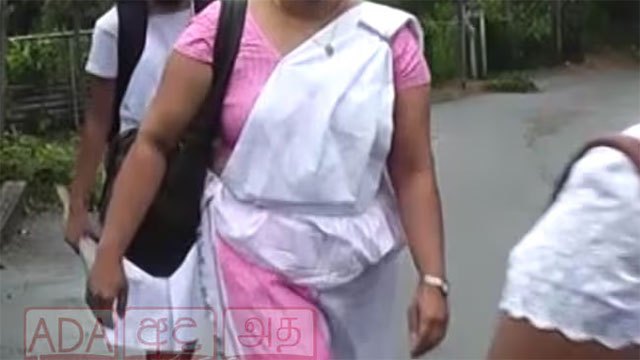
Sri Lanka's Ministerial Consultative Committee on Education has prioritized addressing critical teacher vacancies and reforming recruitment processes to strengthen the country's education system.
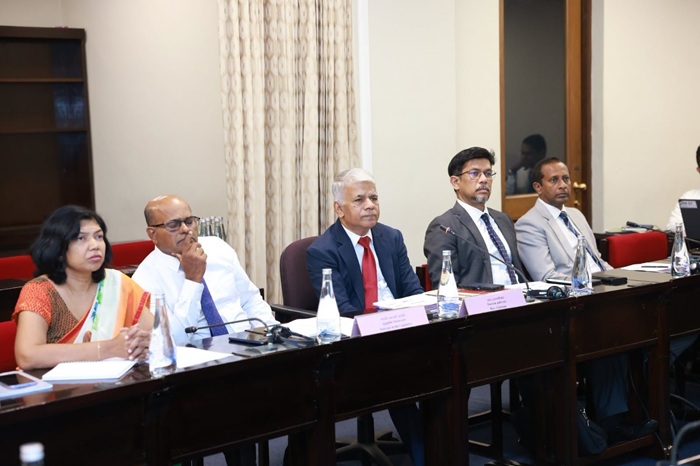
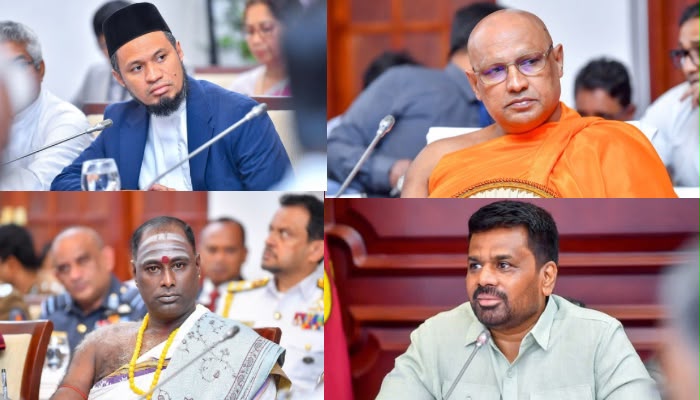
A high-level committee convened by Prime Minister Dr. Harini Amarasuriya met in Parliament to discuss pressing challenges within Sri Lanka's education sector. The Ministerial Consultative Committee identified teacher shortages as a key issue requiring immediate attention, with particular concern raised about vacancies in Science and Mathematics subjects across the country.
The committee emphasized the need to expedite recruitment efforts and pinpoint regions experiencing the most severe staffing gaps. Northern and Eastern provinces received specific mention as areas requiring targeted intervention. Members also stressed the importance of modernizing the teacher transfer system to ensure processes operate with greater transparency and adherence to established policies. Discussion also covered the framework for distributing hardship allowances to educators and the criteria used to designate certain schools as difficult-service locations.
Beyond teacher recruitment, the committee addressed broader institutional challenges in higher education, including the need to fill vacant academic positions at universities and enhance the performance of the National Institute of Education. Quality assurance mechanisms in the tertiary sector were also reviewed. Additional agenda items included resolving longstanding property and infrastructure disputes affecting schools, as well as expanding facilities to better accommodate students with special educational needs.
The meeting was attended by Deputy Ministers Dr. Madhura Seneviratne and Nalin Hewage, alongside other parliamentary members and education ministry officials, reflecting the government's apparent commitment to comprehensive education sector reform.