

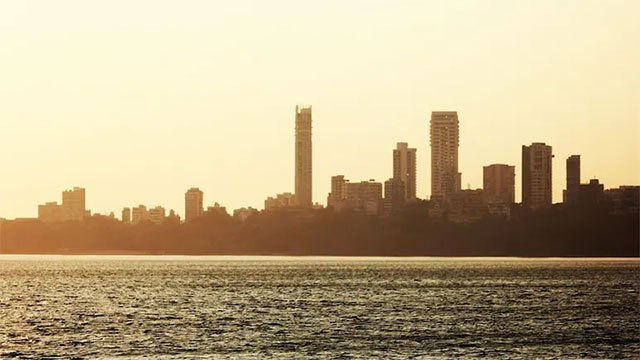
A United Nations report has identified millions of residents in Kolkata and Mumbai as facing immediate risk of losing their homes due to accelerating sea level rise, which is occurring faster than any point in recorded history.
A United Nations report released this week has highlighted the acute vulnerability of populations in South Asian coastal cities to rising sea levels. According to the UN Secretary-General's report on challenges related to sea level rise, more than 14 million people in Kolkata and Mumbai face immediate risk of permanent displacement due to inundation. Unlike wealthy coastal cities such as Miami and New York, where the primary concern centres on financial exposure estimated between USD 2 trillion and USD 3.5 trillion, the defining impact in low-lying deltas of South Asia is human displacement and loss of homes.
The acceleration in sea level rise is being driven primarily by melting glaciers and thermal expansion of warming oceans caused by human-induced climate change. Between 2014 and 2023, global sea levels rose at an average rate of 4.7 millimetres annually, with 2024 setting a new record of 5.9 millimetres as exceptional ocean warming intensified the trend. The UN report warns that this rate is expected to continue accelerating through 2050 due to warming already locked into the climate system.
The consequences of sea level rise extend beyond displacement, affecting critical infrastructure, water systems and public health. Rising seas are causing salinisation of freshwater aquifers, contaminating drinking water supplies and degrading agricultural productivity. The report notes that approximately 770 million people, roughly 10 per cent of the global population, live in coastal areas less than five metres above the high tide line, placing them at acute risk. The UN emphasises that addressing this challenge requires integrated policy approaches, adequate financing, strengthened data capacities and robust institutional frameworks to support vulnerable populations and nations.