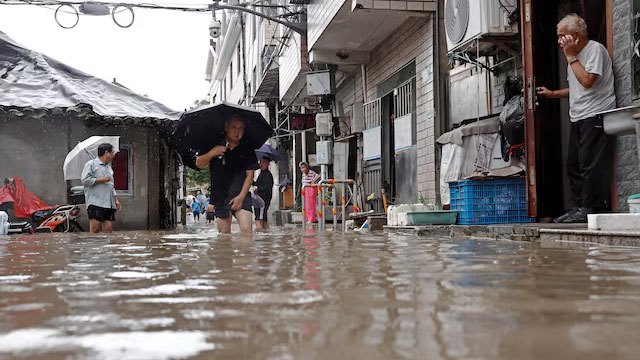
A 7.4 magnitude earthquake struck western Colombia on Monday, causing significant casualties and infrastructure damage across multiple provinces. The disaster presents an immediate challenge for newly inaugurated President Abelardo De La Espriella.
A major earthquake measuring 7.4 magnitude struck western Colombia on Monday, resulting in at least 111 confirmed deaths according to government figures, though some local media outlets have reported tolls as high as 132. The US Geological Survey confirmed the quake occurred at a depth of 107 kilometres, while Colombia's geological service designated it as the country's strongest earthquake of the 21st century. The disaster struck just days after President De La Espriella assumed office, immediately testing his new administration's crisis response capabilities.
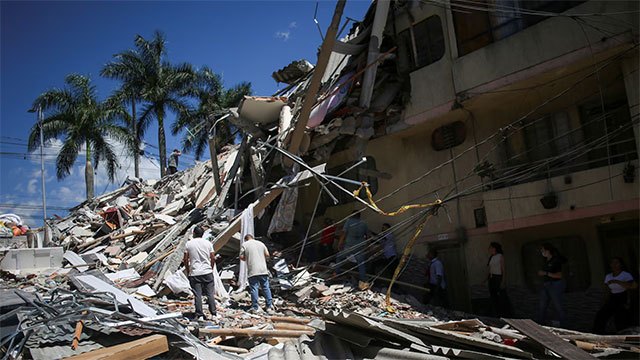
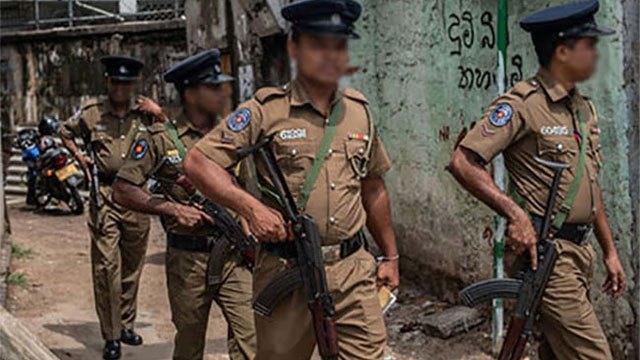
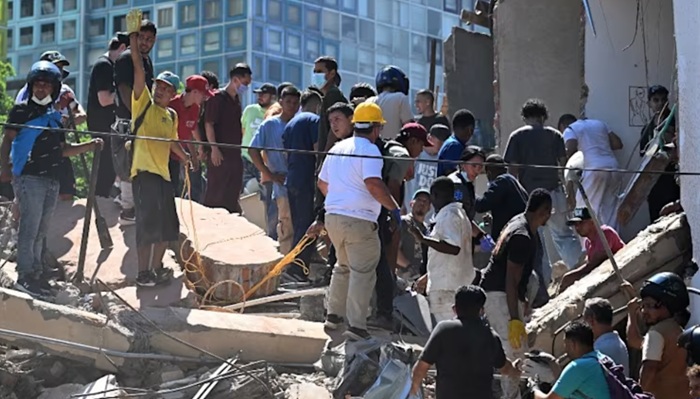
The earthquake caused widespread damage across multiple regions, with particularly severe impacts reported in coastal Choco province and the western city of Cali, Colombia's largest urban centre in the affected area. Hospitals and critical infrastructure sustained damage, leaving rescue workers to extract survivors from collapsed buildings throughout the night. De La Espriella declared a national state of emergency and visited affected areas to assess damage firsthand. Authorities imposed curfews in Cali, Armenia and Manizales amid concerns over potential looting, with the government pledging 1,000 additional security personnel for affected cities.
International relief organisations have mobilised support for the disaster response. The International Federation of Red Cross and Red Crescent Societies launched an emergency operation valued at 1 million Swiss francs to assist affected communities, identifying shelter, clean water and sanitation as urgent priorities. Relief teams have faced obstacles reaching some municipalities due to damaged infrastructure and compromised communication networks.
Seismologists note that Colombia's location along the Pacific Ring of Fire makes it particularly vulnerable to seismic activity. Northwestern University researcher Suzan van der Lee observed that despite the quake's considerable depth, its inland location and strike-slip motion likely amplified damage in populated valleys. The Colombian Geological Service reported 21 aftershocks by late Monday and warned additional tremors remain probable.