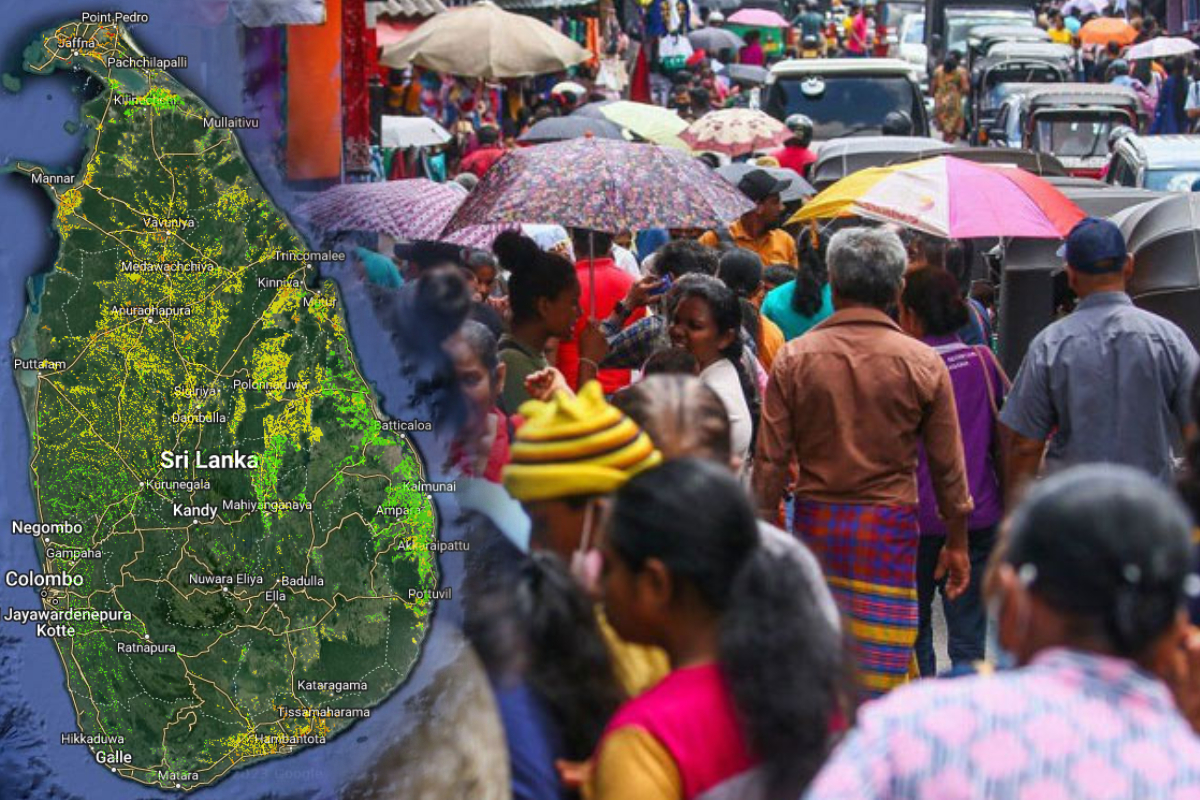
Water levels in major reservoirs controlled by the Irrigation Department have fallen to 35.9 percent of capacity, with particularly acute shortages reported in the Eastern Province, according to the department's water management director.
Sri Lanka is experiencing widespread drought conditions that have significantly impacted the nation's water resources. According to H.M.P.S.D. Herath, the Irrigation Department's water management director, water levels in major reservoirs under departmental control have declined to 35.9 percent capacity. The severe drought affecting the country has been identified as the primary cause of this concerning depletion.
The situation is most acute in the Eastern Province, with reservoirs in Ampara, Batticaloa, Trincomalee, and Monaragala districts recording particularly low water levels. Currently, minor crop cultivation activities are in their final stages, which the department expects should have sufficient water supply available from existing reserves.
However, ongoing challenges threaten water availability going forward. Herath noted that elevated temperatures and windy conditions are causing water evaporation from reservoirs at rates exceeding initial projections. This accelerated evaporation, combined with the broader drought conditions, presents a significant challenge to maintaining adequate water supplies.
In response to the crisis, the water management director has appealed to the public to use water conservatively for both daily needs and agricultural activities. The department's call for strict water rationing underscores the seriousness of the situation and the need for collective action to manage the limited water resources through the drought period.