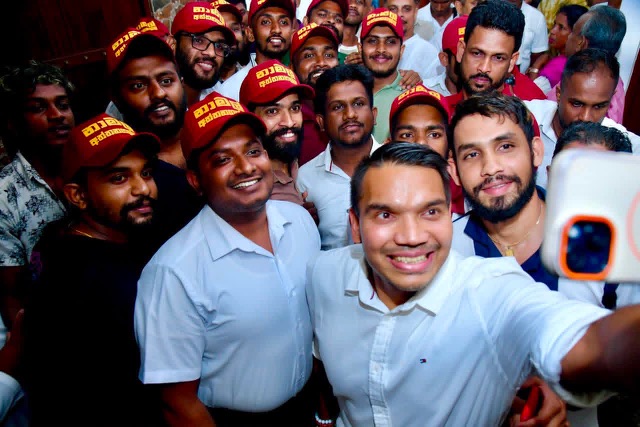
SLPP National Organiser Namal Rajapaksa has levelled criticism at the Government for shifting blame to the opposition while failing to address systemic problems ranging from economic mismanagement to prison overcrowding.
Namal Rajapaksa, the SLPP's National Organiser and Member of Parliament, has accused the Government of suppressing opposition parties, civil organisations, and religious institutions while steering the country toward authoritarianism. Speaking at a political gathering, he alleged that the administration has redirected public attention toward opposition figures, particularly himself, rather than confronting its own administrative shortcomings.
Rajapaksa criticised the Government's fiscal management, stating that recent tax policy revisions have intensified financial strain on ordinary workers, daily wage earners, and salaried professionals. He contended that economic relief has been selectively extended to favoured groups while the broader population bears the burden. In response to Government claims of substantial reserves, Rajapaksa argued that genuine economic progress requires fostering entrepreneurship and wealth creation rather than merely publicising state accounts. He further suggested that citizens ultimately shoulder the costs of state failures, referencing recent security breaches affecting government funds that he claimed have necessitated increased taxation.
The opposition figure also raised concerns regarding alleged irregularities in coal procurement and subsequent electricity price increases, which the Government has attributed to Middle East geopolitical tensions. Rajapaksa questioned whether investigations had been conducted into those responsible for allegedly importing substandard coal, asserting that the Government prioritises scrutinising opposition members over investigating internal misconduct.
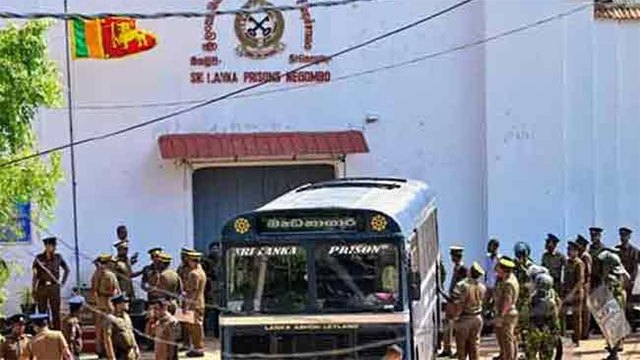
Additionally, Rajapaksa addressed systemic challenges within the judicial and penal systems. He dismissed Government proposals to extend judicial retirement ages as insufficient solutions, instead advocating for filling vacant judicial positions, establishing additional courts, and expediting expert assessments to reduce case delays. Regarding prisons, he highlighted severe overcrowding, claiming approximately 45,000 inmates occupy facilities designed for roughly 11,000 people. He attributed this crisis to successive governments' inadequate infrastructure investment.

-850238_850x460.jpg)


-722285-850252_850x460.jpg)