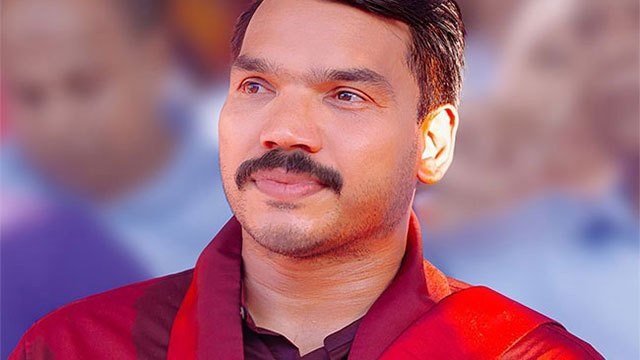
National Organizer of the Sri Lanka Podujana Peramuna Namal Rajapaksa has called on the government to implement immediate measures to secure fair paddy prices for farmers, citing concerns over inadequate pricing and delayed fertilizer supplies.
Member of Parliament Namal Rajapaksa has issued a statement criticizing current agricultural policies, claiming that farmers raising concerns about paddy prices are being marginalized rather than heard. According to Rajapaksa, farmers have requested a purchase price of Rs. 140 per kilogram for Nadu paddy, yet their demands remain unmet. He further alleged that Agriculture Minister Anura Karunaratne, who previously advocated for a Rs. 154 per kilogram price before taking office, has since claimed such rates are unaffordable and has allegedly responded to farmer demands with threats.
Rajapaksa identified multiple systemic issues affecting agricultural productivity and pricing. He stated that farmers continue to face delays in receiving fertilizer supplies and highlighted the contradiction of rice imports continuing during the harvesting season, despite earlier government assurances that imports would cease. These factors, he argued, have resulted in elevated rice prices for consumers across both rural and urban areas.
Drawing comparisons to the previous administration, Rajapaksa noted that during former President Mahinda Rajapaksa's tenure, subsidized fertilizer was provided at Rs. 350 per 50-kilogram bag and guaranteed paddy prices were maintained through the Paddy Marketing Board. He acknowledged that a policy error occurred when organic fertilizer was introduced previously but contended that the current government has failed to establish an effective paddy purchasing mechanism to replace it.
Rajapaksa further alleged that despite presidential pledges not to prioritize rice mill owner interests, the government subsequently increased controlled rice prices by Rs. 10 following discussions with millers. He called on the administration to develop a comprehensive programme addressing farmer concerns and the broader cost-of-living pressures facing the public.