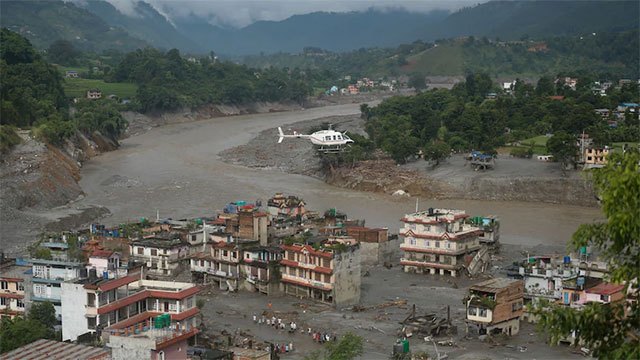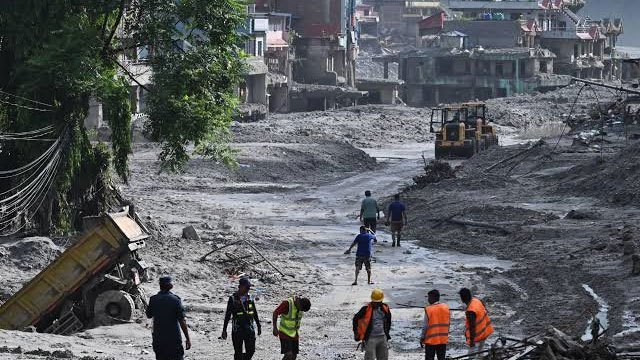
Nepal has commenced burying flood victims following devastating flooding, marking a departure from traditional cremation practices. The country is appealing for international assistance as the confirmed death toll climbs and thousands remain missing.
Nepal's authorities have begun temporarily burying victims of recent catastrophic flooding, a significant departure from the nation's traditional cremation practices in the Hindu-majority country. The burials are being conducted as long-term storage until families can later retrieve the remains for proper funeral rites, according to Nepal's Foreign Secretary Amrit Bahadur Rai.
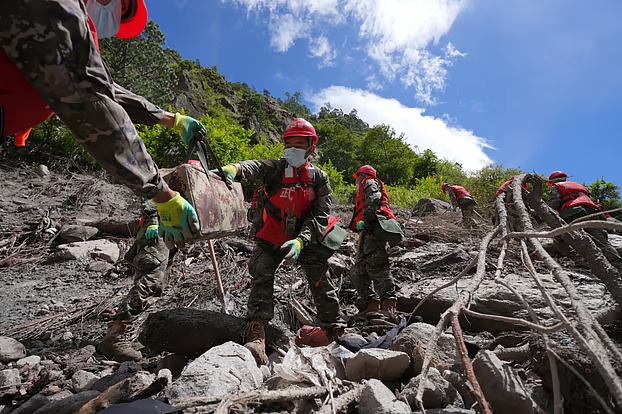
The decision comes as Nepal grapples with an overwhelming number of bodies. The country's Disaster Ministry reported on Sunday that 762 bodies have been recovered, with over 2,700 people still unaccounted for. Chinese state media separately confirmed 16 deaths in Tibet and 546 people missing from the same incident, bringing the regional toll to 778 confirmed dead and approximately 3,048 unaccounted for.
Nepal's government has implemented international protocols for the burial process, including DNA sampling of all victims prior to interment. These records will allow families to later identify and exhume remains for traditional cremation ceremonies. Foreign Secretary Rai emphasized that "all those buried were carefully recorded," enabling later retrieval and proper handling of the remains.
Facing a public health crisis due to rapid decomposition, Nepal is urgently requesting international support. The nation has appealed to multiple countries for more than a thousand freezer storage units and DNA testing kits to manage the scale of the disaster. "Many dead bodies have been collected, and they have started decomposing. To preserve public health, we had to bury the decomposing bodies," Rai explained to reporters, highlighting the challenging circumstances forcing this unprecedented measure.