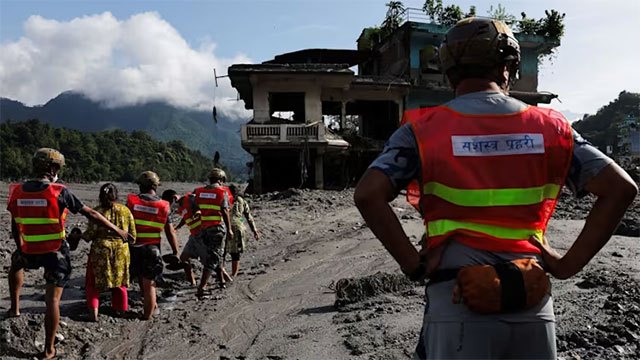
Nepal's government has turned down offers from multiple countries to deploy their own search and rescue teams following catastrophic flooding, stating that domestic security agencies are capable of managing operations independently.
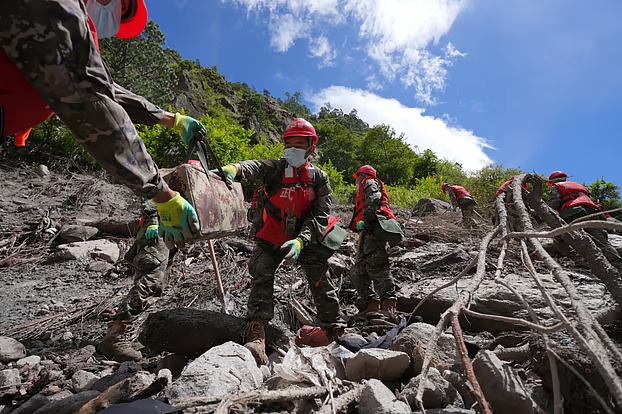
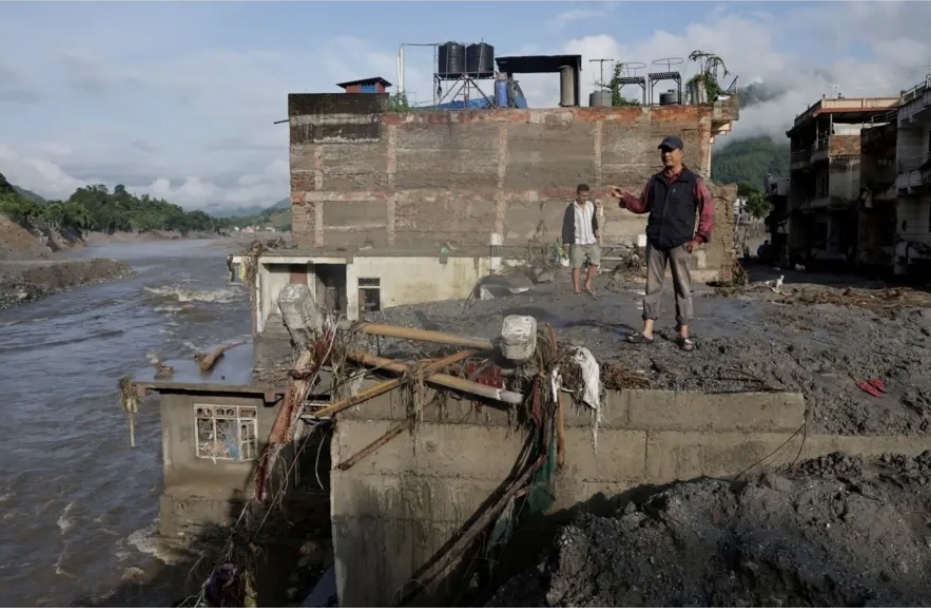
Nepal's foreign ministry announced on Friday that the country does not require international assistance for search and rescue operations following a severe flash flood that devastated towns in the Himalayan nation. Spokesperson Lok Bahadur Chhetri stated that while offers of help from foreign countries and organisations are appreciated, Nepal's own security agencies are equipped to handle the rescue efforts.
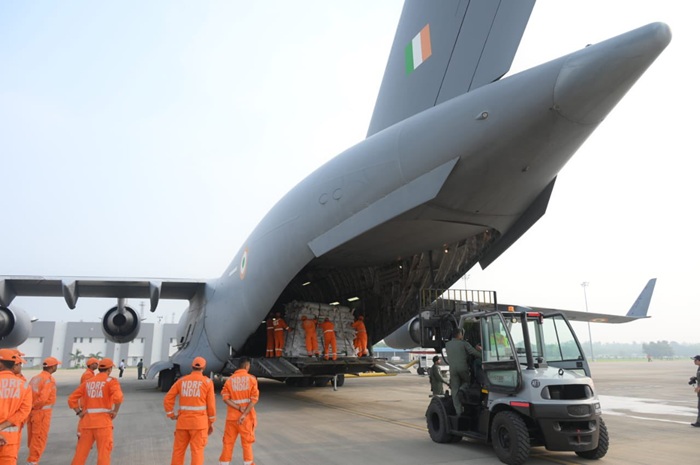
The government has fielded requests from multiple nations including India, China, the United States, United Kingdom, Japan, South Korea, Sri Lanka, and Bangladesh to deploy their search and rescue teams. However, according to The Kathmandu Post, Nepal has declined these offers, citing its experience from the 2015 earthquake when an influx of foreign rescue teams created significant coordination challenges. The decision was made on the recommendation of the Nepali Army and police.
Instead of personnel assistance, Nepal has indicated a preference for financial contributions channeled through a single mechanism—the Prime Minister's Disaster Relief Fund. This approach allows the government to manage aid distribution more effectively. Some countries, including the United States and United Kingdom, have already offered monetary assistance. South Korea has pledged US$1 million through international organisations, though the country continues negotiating with Nepal regarding its offer to deploy a rescue team, with nine South Korean workers missing from a hydropower plant.
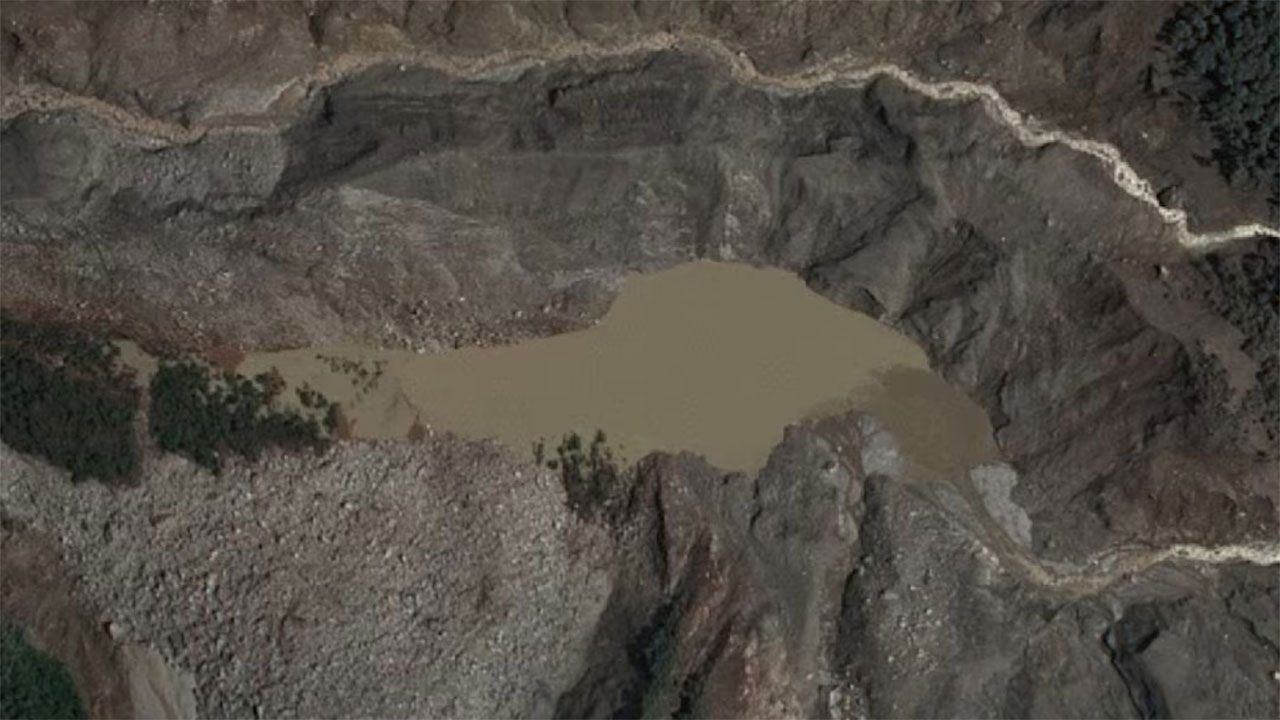
The disaster has claimed 469 lives as of Friday, with nearly 1,000 people missing in Nepal and neighbouring Tibet. The flooding resulted from a glacier collapse that sent massive volumes of rock, ice, and debris through river systems, destroying infrastructure including power stations, roads, and bridges. Of those unaccounted for, at least 540 are foreign nationals from countries including Australia, Britain, Malaysia, the Netherlands, Portugal, South Africa, and South Korea. Nepal has established an emergency response team within its foreign affairs ministry to coordinate assistance for affected international citizens.