A senior Nepalese government official has emphasized the need for developing nations to strengthen their control over healthcare systems and secure fairer access to medicines and vaccines during global health crises, highlighting lessons from the COVID-19 pandemic.
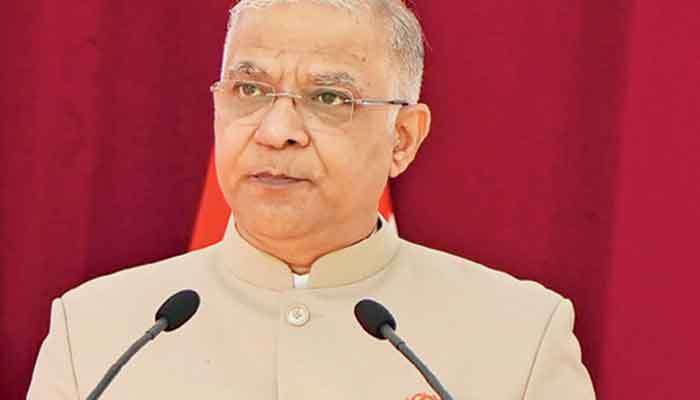
Prakriti Dhakal, Personal Under-Secretary to Nepal's Prime Minister, has argued that health sovereignty must become a central priority for South Asian nations seeking to protect their populations during pandemics and health emergencies. Speaking at the MSF Health and Humanity Summit in Colombo, Dhakal emphasized that true health security extends beyond economic considerations to encompass equitable access, accessibility and the ability of healthcare systems to meet population needs.
Dhakal outlined a multilayered understanding of power within health systems, noting that authority operates at national, civil society and international levels. She stressed that while national governments must retain primary decision-making authority, they must also navigate complex international frameworks including treaties, conventions and organizations where influence remains unevenly distributed among countries. Developing nations, she argued, require better understanding of their positioning within these structures to effectively advocate for their healthcare interests.
Drawing on COVID-19 experiences, Dhakal highlighted how vaccine distribution exposed global inequalities, with wealthier countries securing early access while lower-income nations faced prolonged shortages. She called for agreements guaranteeing equitable vaccine and treatment access for countries that contribute scientific data or pathogens to vaccine development. Beyond product-sharing arrangements, Dhakal emphasized the importance of building local capacity and strengthening national health systems to enhance self-sufficiency.
Dhakal stressed that national governments must remain supreme authorities in health decision-making, with development partners and international actors supporting government-identified priorities rather than imposing external agendas. She noted that countries like Nepal are gaining increased influence within international health governance structures, including the World Health Organization, creating opportunities to advocate more effectively for developing nation interests.