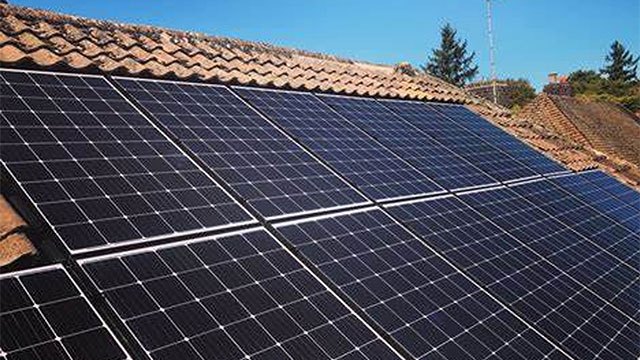
Sri Lanka's energy regulator has unveiled revised feed-in tariffs for renewable electricity generation, effective immediately through February 2027, with differentiated rates across solar, wind, hydro and biomass technologies.
The Public Utilities Commission of Sri Lanka (PUCSL) has announced a restructured pricing framework for electricity generated from renewable sources, coming into effect on August 25, 2026. The tariffs, which will remain valid until February 24, 2027, apply to utility-scale renewable plants, rooftop solar systems, and projects incorporating battery energy storage. The framework was established under the Sri Lanka Electricity Act No. 36 of 2024, following public consultation processes designed to incorporate stakeholder feedback and cost analysis.
The new tariff structure establishes different payment rates across renewable technologies. Mini-hydro installations receive the highest base rate at Rs. 30.37 per kWh, while municipal solid waste projects attract Rs. 41.72 per kWh. Wind energy is priced at Rs. 20.80 per kWh, with ground-mounted solar at Rs. 18 and floating solar at Rs. 23.58 per kWh. Rooftop solar prosumers face tiered rates ranging from Rs. 23.11 per kWh for systems up to 10kW down to Rs. 15.81 per kWh for larger installations exceeding 250kW. Systems combining solar with battery storage receive premium rates during designated priority periods, with new installations receiving Rs. 45.53 per kWh for the first 15 years.
The regulatory framework includes specific capacity-building requirements. The National System Operator (NSO) has been directed to connect 450MW of solar generation with battery storage to the grid by March 2027 to address anticipated capacity shortages in the first quarter of 2027. According to Ada Derana, the NSO must ensure existing battery storage operates at no more than Rs. 20 per kWh on a monthly average basis, with excess costs excluded from electricity tariffs. These measures align with Sri Lanka's broader renewable energy expansion goals within its long-term energy transition strategy.






-852242_850x460.jpg)