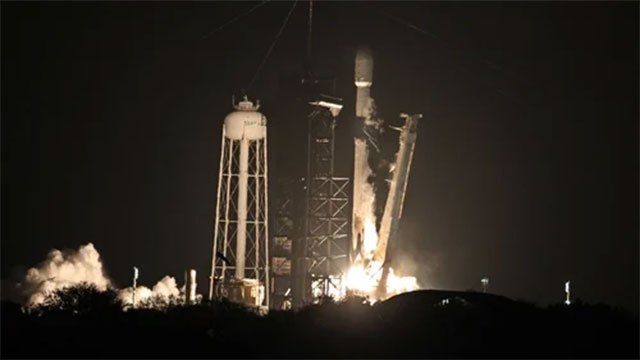
A SpaceX Falcon 9 rocket's upper stage is expected to crash into the Moon's northern hemisphere, presenting no threat to Earth but offering scientists a rare chance to study artificial impact dynamics on the lunar surface.
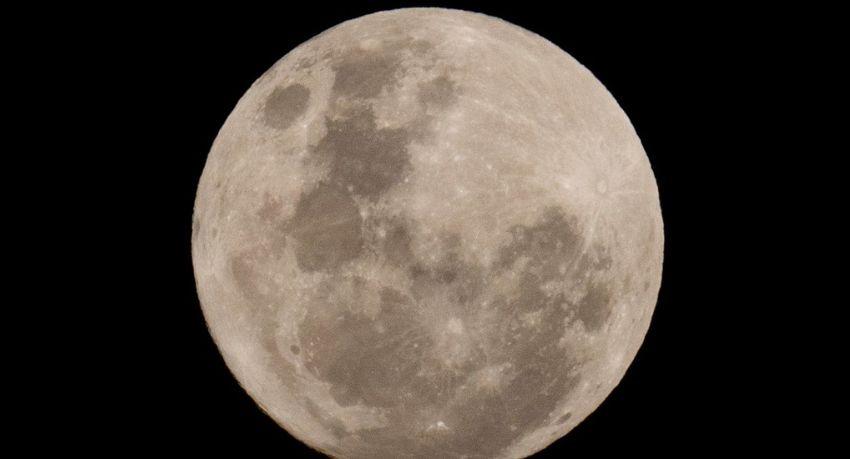
A SpaceX Falcon 9 upper stage is scheduled to strike the Moon in the northern hemisphere near the Einstein Crater at approximately 7.35am Irish time, traveling at roughly 8,690 kilometers per hour. The collision will create a crater and generate debris, but poses no danger to Earth, according to NASA. The rocket launched in January 2025 carrying two lunar landers, with the booster returning to Earth while the upper stage remained in space to guide the landers onward.
SpaceX stated that the company had performed standard safety procedures for high-energy missions to ensure the upper stage followed appropriate regulations. However, a combination of solar activity and gravitational forces subsequently redirected the stage toward the Moon. Researchers estimate the spacecraft weighs approximately 4,000 kilograms, assuming all propellant has been expended.
Scientists view the event as a valuable research opportunity. Benjamin Fernando of Los Alamos National Laboratory, lead author of a recent study on the anticipated impact, noted that observers with telescopes may be able to see the plume of ejecta created by the collision, though its brightness remains uncertain. Both professional and amateur astronomers have been encouraged to attempt recording the event. NASA plans to track the booster and later observe the impact site for scientific purposes, with the agency noting that such observations will help test methods for localizing impacts on the lunar surface for future seismic experiments and dust analysis.
Artificial collisions with the Moon remain uncommon, though the lunar surface regularly experiences impacts from natural space debris. The data gathered from this event will prove particularly valuable as NASA pursues establishing sustained human presence on the Moon, making understanding space debris behavior increasingly critical.







-849745_850x460.jpg)