Sri Lanka's Cabinet has not yet finalised a decision on implementing capital punishment for drug traffickers, despite the proposal being discussed at a national steering council focused on combating the country's drug crisis.
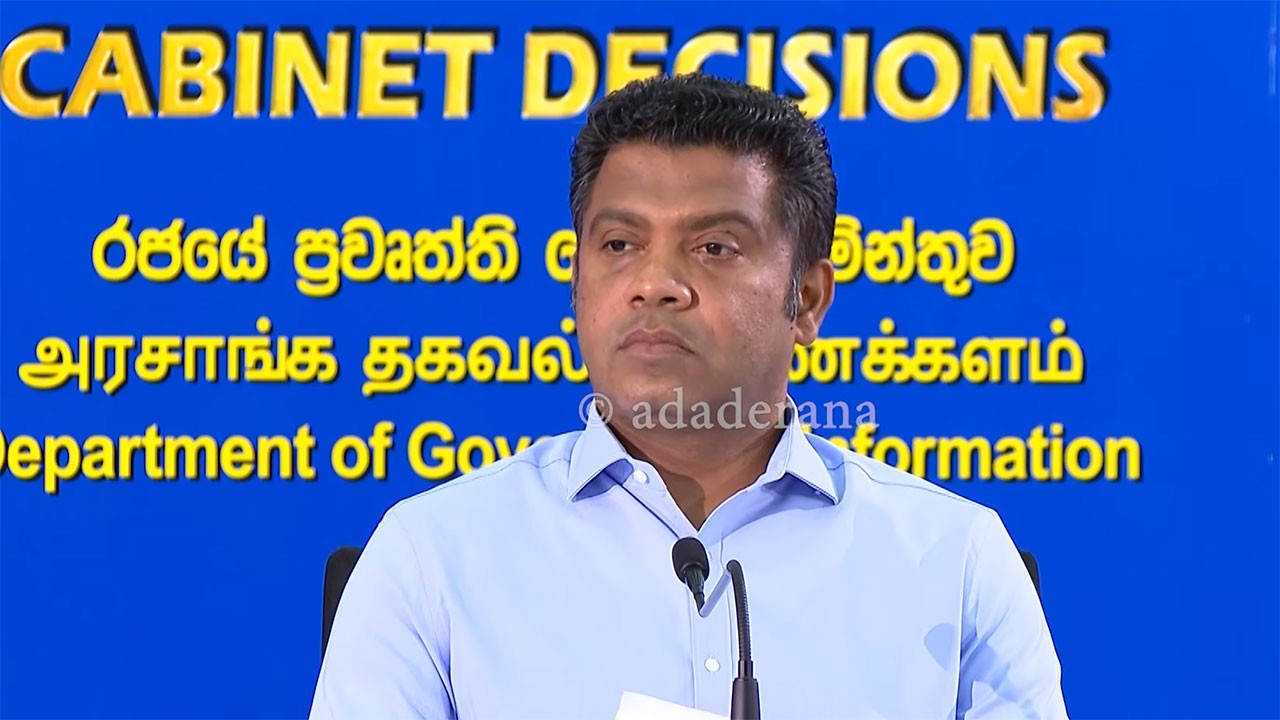
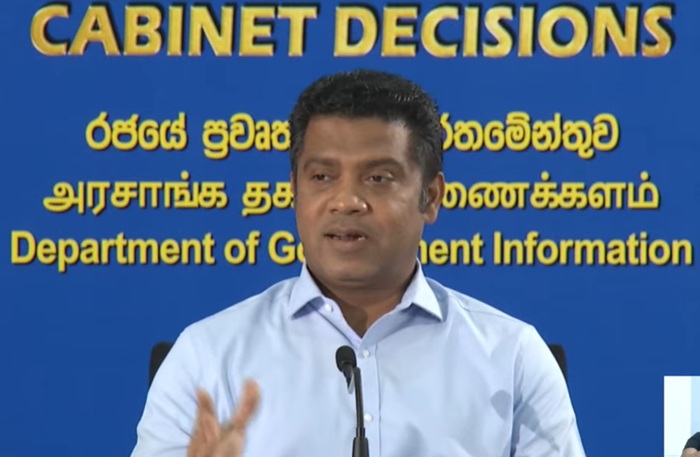
The government remains undecided on a proposal to introduce the death penalty for individuals involved in drug trafficking, Cabinet Spokesman Minister Nalinda Jayatissa announced at a weekly media briefing. The suggestion emerged during discussions at the "A Nation United" (Ratama Ekata) national steering council, which examined various approaches to address drug trafficking and organised crime. Minister Jayatissa clarified that while the death penalty proposal was among several recommendations tabled during these deliberations, no consensus has been reached and the matter requires further consideration before any policy determination is made.
President Anura Kumara Dissanayake chaired the council meeting at the Presidential Secretariat, where participants highlighted the significant threat posed by drug networks to Sri Lanka's economy, tourism sector, and social fabric. The President's Media Division indicated that discussions underscored the necessity for stricter enforcement mechanisms against criminal organisations profiting from illicit drug operations and the wealth they generate. President Dissanayake emphasised the need for urgent action and a shift in societal attitudes to counter the drug menace and safeguard future generations.
Beyond the capital punishment debate, the council reviewed proposed amendments to drug control and bail legislation, which officials indicated are nearing completion. These legal modifications are expected to be formally gazetted and submitted to Parliament in the coming period. The President also called for broader community engagement, urging religious leaders, parents, and civil society organisations to participate actively in anti-drug efforts.