

Sri Lanka Cricket's Transformation Committee has finalized a draft constitution aimed at strengthening accountability and transparency in the sport's administration, with the proposal now under legal review before Cabinet consideration.
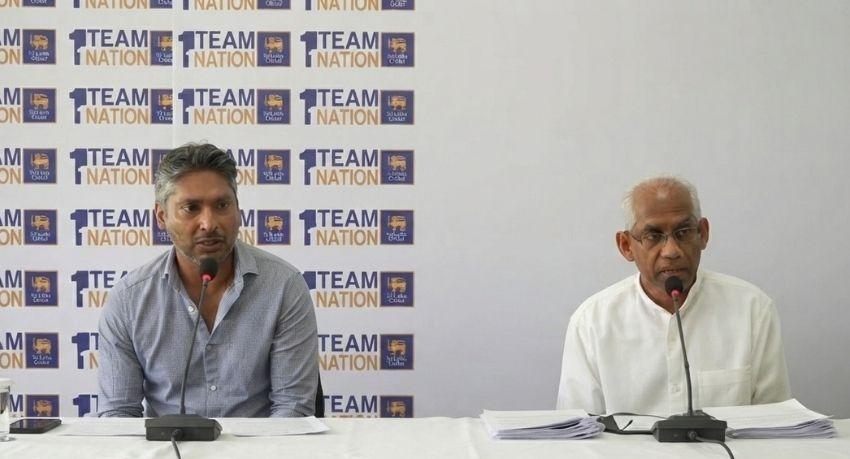
The governance reform process at Sri Lanka Cricket has advanced significantly, with the Transformation Committee reaffirming its commitment to implementing a new constitution designed to address longstanding administrative issues and establish a framework for democratic elections. Committee Chairman Eran Wickramaratne stated that the draft was developed following extensive stakeholder consultations, though he acknowledged that achieving complete consensus among multiple parties remained challenging.
The proposed constitution is currently being examined by the Legal Draftsman's Department and other government legal authorities. According to Wickramaratne, the document must navigate several procedural stages before becoming law, including Cabinet approval, Gazette publication, parliamentary presentation, and opportunities for public challenge before the Supreme Court. While a rough timeframe can be estimated, Wickramaratne emphasized that the committee's control over the timeline is limited once the process enters formal institutional channels.
Former national captain Kumar Sangakkara, serving on the committee, highlighted the International Cricket Council's ongoing support for the reforms. He noted that ICC regulations mandate Sri Lanka Cricket ultimately adopt a democratically elected administration, and the new constitution is designed to create the necessary structural foundation for that transition. Sangakkara stressed that the broader objective extends beyond merely conducting elections, focusing instead on building accountability, transparency, and shared vision within the institution.
Sangakkara indicated the committee is working with urgency to advance the constitution through Cabinet and Parliament while maintaining regular dialogue with the ICC regarding progress and timelines. The committee hopes the process will accelerate in the coming months, with officials expressing confidence that successful implementation could position Sri Lanka Cricket to work more effectively with international governing bodies and resolve governance challenges that have historically affected the sport.