The Department of Census and Statistics has raised the national poverty threshold to Rs. 17,592 per person per month in June 2026, reflecting a 1.6% monthly increase and 6.7% rise compared to the previous year.
Sri Lanka's official poverty line has been adjusted upward to Rs. 17,592 per person per month as of June 2026, according to figures released by the Department of Census and Statistics. This represents a monthly increase of Rs. 277 from May's figure of Rs. 17,315, and marks a significant rise of Rs. 1,108 when compared to June 2025's threshold of Rs. 16,484.
The poverty line varies considerably across districts, reflecting differences in regional living costs. Gampaha district recorded the highest threshold at Rs. 18,579 per person monthly, closely followed by Colombo at Rs. 18,575 and Nuwara Eliya at Rs. 18,500. Conversely, Moneragala registered the lowest at Rs. 16,821, with Kilinochchi and Hambantota following at Rs. 16,995 and Rs. 17,092 respectively. These district-level estimates are calculated using the National Consumer Price Index to account for regional price variations.
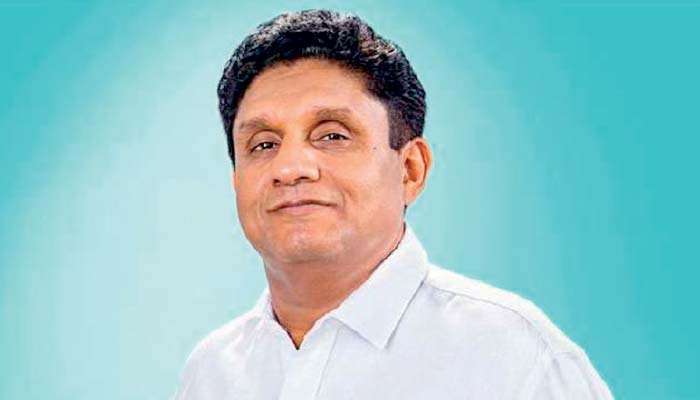
The measure has drawn criticism from opposition political figures who argue that the stated amount is insufficient for individuals to meet basic living expenses given elevated costs for food, utilities, and transportation. However, analysts note that the official poverty line should not be misinterpreted as a claim that Rs. 17,592 provides adequate living standards. Rather, it functions as a statistical threshold identifying minimum expenditure for defined basic needs, and households above this line may still experience financial difficulties.
A substantive debate exists regarding the methodology's current relevance. The DCS bases the poverty line on consumption patterns from the 2012/13 Household Income and Expenditure Survey, with adjustments made through price movements tracked by the consumer price index. Critics argue that a consumption basket anchored to spending habits from over a decade ago may not adequately reflect what contemporary households consider essential, making questions about the threshold's adequacy worth examining.