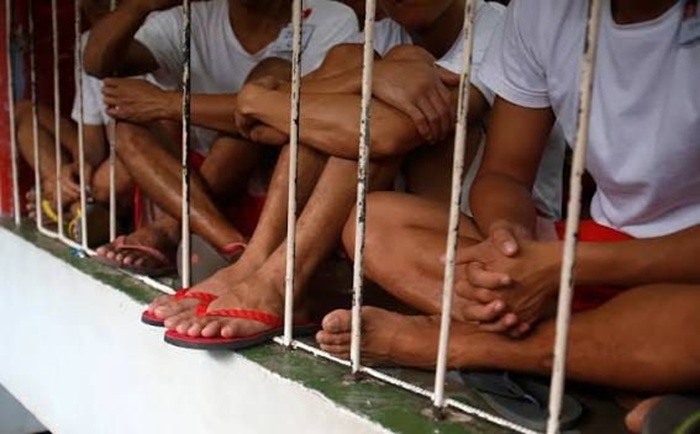
A Parliamentary committee has been informed that rehabilitation programmes are reaching just 1,506 of the 4,962 inmates imprisoned for drug-related offences in Sri Lanka, highlighting significant gaps in the prison system's capacity to address substance addiction.
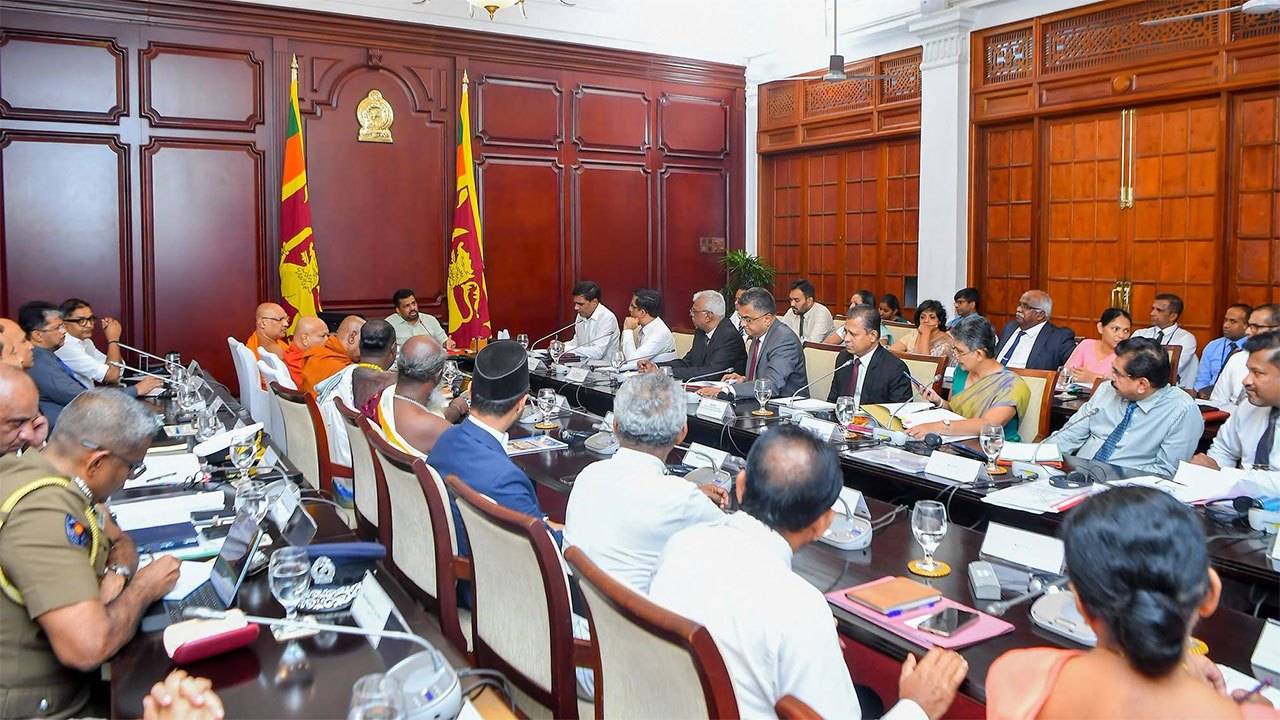
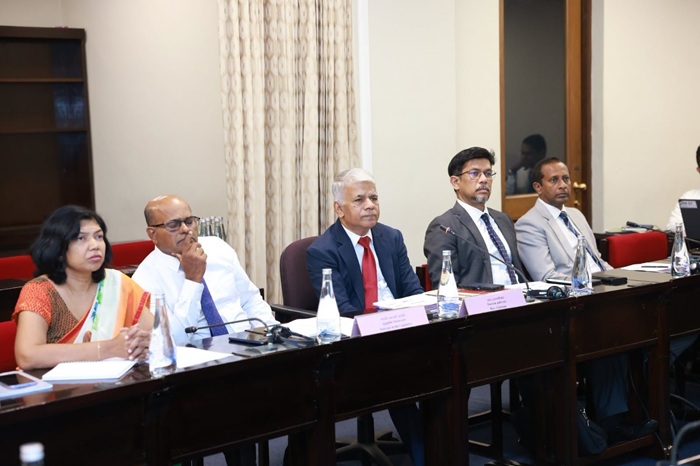
The Department of Prisons revealed to a Parliamentary oversight committee that fewer than one-third of inmates convicted of drug offences are currently enrolled in rehabilitation initiatives. During a meeting of the Sectoral Oversight Committee on Governance, Justice and Civil Protection chaired by MP Najith Indika, prison officials explained that rehabilitation services are available only to those referred through court orders or who voluntarily request assistance.
Prison authorities acknowledged that the existing infrastructure lacks the capacity to accommodate all inmates seeking rehabilitation regardless of their convictions. Officials from the National Dangerous Drugs Control Board indicated that steps are underway to address this shortfall through programme expansion, additional staff recruitment, and strengthened rehabilitation services at local Divisional Secretariat offices nationwide.
The committee explored rehabilitation as a means of alleviating prison overcrowding in Sri Lanka, a persistent challenge within the corrections system. Participants highlighted systemic obstacles extending beyond incarceration, including difficulties faced by rehabilitated individuals in obtaining social acceptance and securing certificates of good character upon release. These barriers potentially hinder successful reintegration into communities.
The discussion underscored the need for legislative reforms to enhance rehabilitation effectiveness. Representatives from multiple agencies—including the Department of Community Based Corrections, Bureau of Rehabilitation, and National Dangerous Drugs Control Board—participated in the deliberations, indicating coordination among authorities on this issue.


-850368_850x460.jpg)