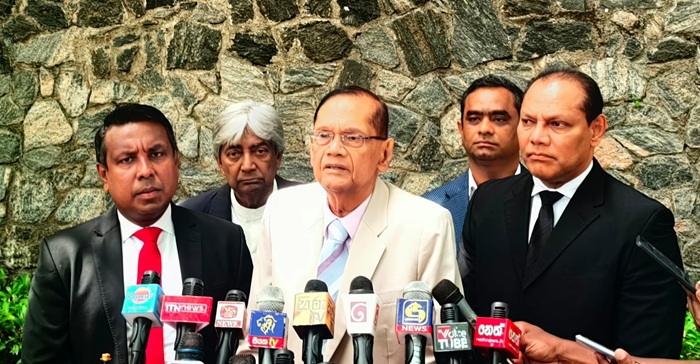
Sri Lankan opposition leaders met with the British High Commissioner to express concerns about a proposed constitutional amendment extending judges' retirement age, citing lack of transparency and consultation in the process.
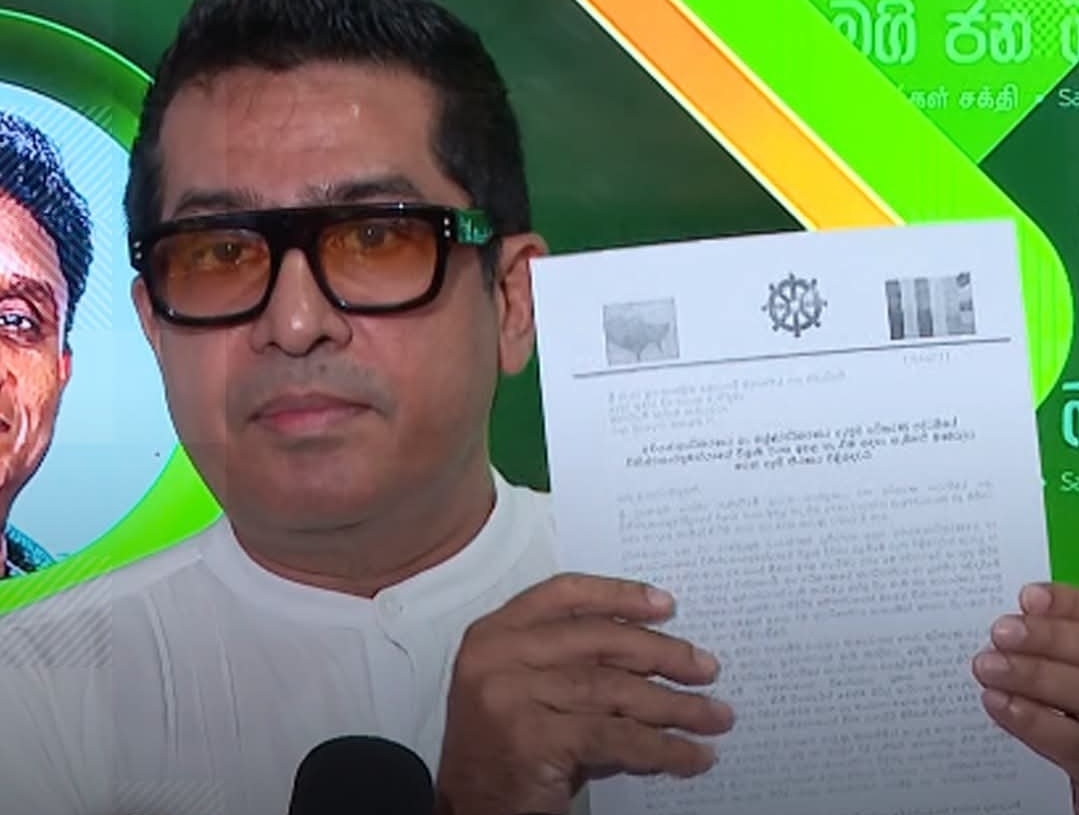
Opposition figures from the Democratic United Opposition held discussions with British High Commissioner Andrew Patrick on Wednesday, during which they criticized the Government's approach to a constitutional amendment that would extend the retirement age of judges. According to the opposition delegation, the amendment process has lacked transparency and proper stakeholder consultation, with key religious leaders such as the Mahanayake Theros of Malwathu and Asgiri reportedly receiving no response after writing to the President.
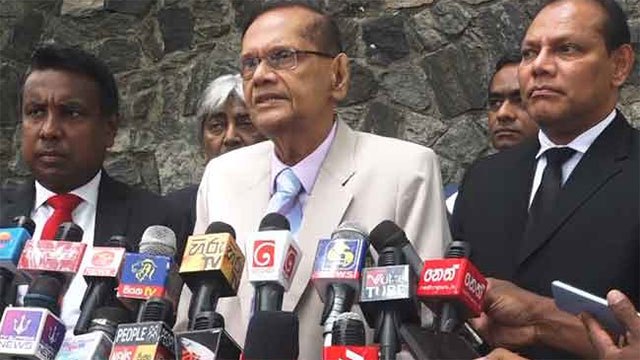
Professor G.L. Peiris, speaking on behalf of the opposition, claimed that even the Minister of Justice was uninformed about the proposals before they advanced through Cabinet approval and Gazette publication. He characterized the subsequent invitation to the Bar Association of Sri Lanka to discuss the amendment as occurring too late in the process, describing it as superficial engagement rather than genuine consultation.
The opposition questions the amendment's practical utility, arguing that case backlogs are not concentrated in higher courts, with only 1% of cases pending before the Supreme Court and Court of Appeal. The group warns that extending judicial tenure could set a precedent for similar demands from other professional sectors, potentially affecting nurses, police officers, university professors, and state officials seeking comparable privileges under the Constitution.
Peiris also emphasized that the Government's focus on judicial reform diverts attention from what he described as more pressing national concerns, including agricultural challenges, prison deaths, medicine shortages, and education difficulties. The opposition has indicated plans to petition the Supreme Court next week, contending that the amendment fails to meaningfully address justice delays while potentially undermining judicial independence and public confidence in the judiciary.