Sri Lanka's election monitoring body has raised concerns that amendments to the Anti-Corruption Act could restrict public access to official asset declarations and weaken oversight mechanisms.
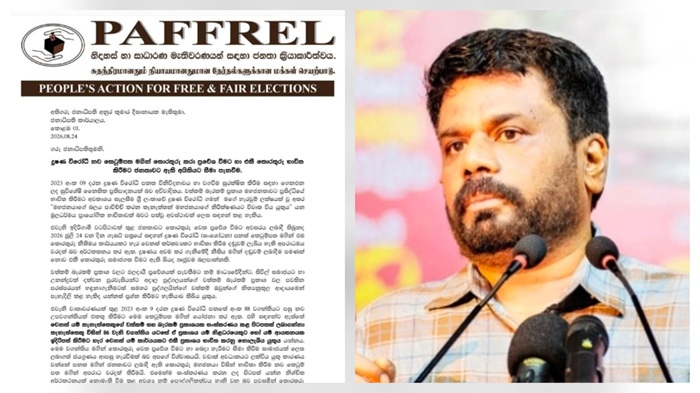
The People's Action for Free and Fair Elections (PAFFREL) has cautioned President Anura Kumara Dissanayake against adopting several provisions in a proposed amendment to Sri Lanka's Anti-Corruption Act, arguing they could limit transparency and public accountability. In correspondence to the President, PAFFREL Executive Director Rohana Hettiarachchi noted that the original Anti-Corruption Act of 2023 had successfully enabled public scrutiny of asset and liability declarations filed by officials. The new amendment, introduced to Parliament by Prime Minister Harini Amarasuriya on August 19, threatens to reverse these gains, the organisation warned.
PAFFREL objected to multiple specific provisions in the Bill. The amendment would restrict how members of the public can use redacted asset declarations they obtain, limiting their use to submission to designated authorities under the Act. Violations could result in fines reaching Rs. 100,000 or imprisonment up to one year. The organisation argued that journalists, civil society groups and citizens must retain the ability to examine these documents to identify inconsistencies and question whether officials' assets align with their declared income. Additionally, PAFFREL opposed raising the state-ownership threshold for certain companies from 25 percent to 50 percent, which would remove oversight of companies in the 25 to 49.9 percent range.
The monitoring body also flagged concerns about removing existing requirements to declare assets and liabilities of household members who have cohabited with the declarant for six months or longer. PAFFREL warned this change could enable assets to be registered under another person's name while remaining beneficially controlled by the official. The government has cited privacy grounds for this proposed removal. PAFFREL additionally cautioned against provisions that could consolidate authority in a single official within the Commission to Investigate Allegations of Bribery or Corruption, arguing such powers should rest with the commission as a whole.
While acknowledging some positive elements in the Bill, PAFFREL called on the government to ensure amendments do not erode transparency achievements or weaken public capacity to monitor those wielding public authority. The organisation urged broader public consultation before the reforms proceed. The government has stated the amendments aim to address legal, interpretational, administrative and technical implementation issues in the existing Act while strengthening corruption prevention and prosecutions.