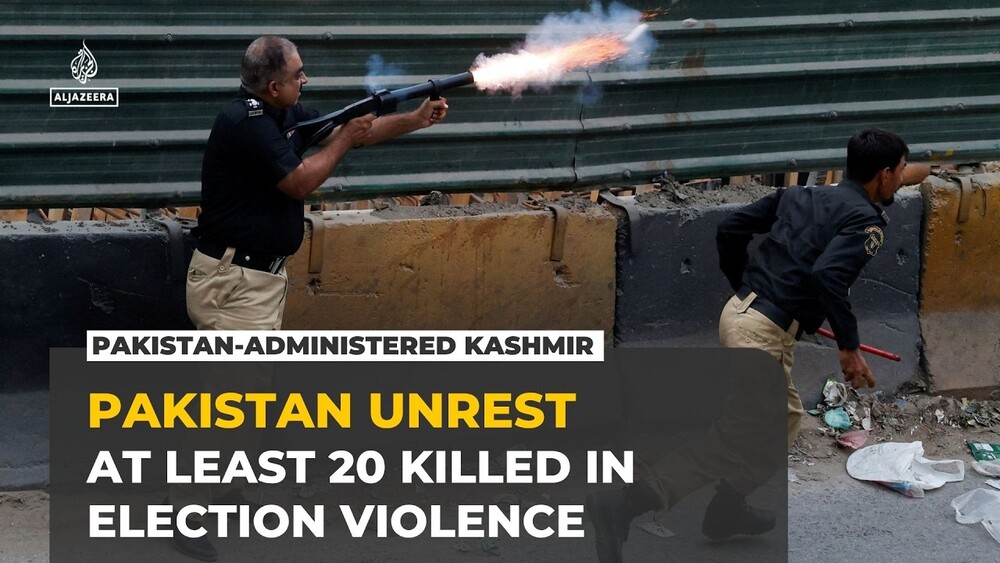

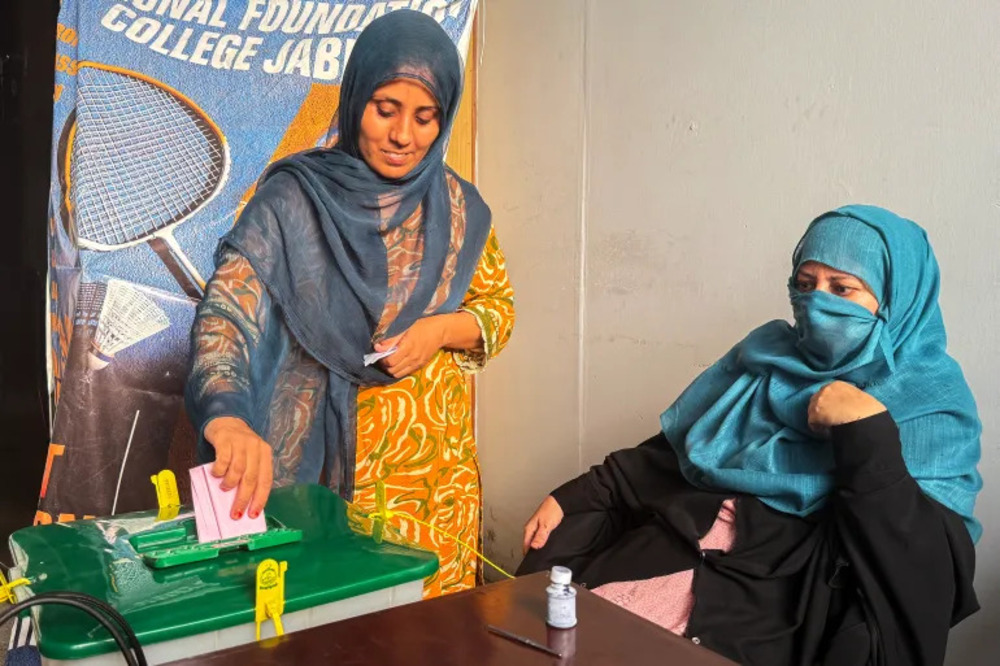
Voting began Monday in Pakistan-administered Kashmir's first round of local legislative elections, held under heavy security following weeks of violent clashes that have claimed dozens of lives.
The first phase of local legislative elections commenced in Pakistan-administered Kashmir on Monday morning, with approximately 3.8 million eligible voters participating across the disputed Himalayan region. The elections are being conducted in three separate phases due to security constraints, with authorities expressing concerns about stretched police resources following months of civil unrest.
The pre-election period has been marked by significant violence and disruption. Since early June, nearly 40 people have been killed in clashes between police and protesters. The unrest began with demonstrations demanding electoral reforms and has since evolved into a broader movement with 38 stated demands. Authorities have responded by suspending mobile and internet services across most of the territory, creating what observers describe as an unofficial state of emergency.
The communication blackout has severely impacted the election campaign. Independent candidate Malik Alauddin told international media that internet restrictions forced candidates to adopt traditional campaigning methods, traveling door-to-door and organizing village gatherings in the mountainous terrain rather than utilizing social media. Initial observations from Mirpur district, the first voting area, suggested relatively low turnout despite the summer conditions.
The Jammu Kashmir Joint Awami Action Committee, which led the initial protests, was banned under anti-terrorism laws in June, with key leadership either arrested, underground, or operating from protest camps. The movement has called for a boycott of the elections, particularly objecting to 12 assembly seats reserved for Kashmiri refugees, which protesters claim are manipulated by major Pakistani political parties to influence local parliament composition.