

Prime Minister Dr. Harini Amarasuriya has directed the development of a carefully planned pilot initiative to introduce digital tools and assistive technology in special education, beginning with select schools and gradually expanding the scope.
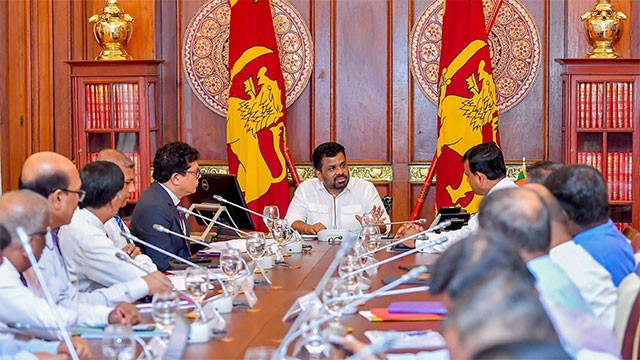
A strategic planning session chaired by Prime Minister Dr. Harini Amarasuriya on August 18 outlined a structured approach to digitalize special education and expand access to assistive technology for students with disabilities across Sri Lanka. Officials emphasised the importance of meticulous planning to avoid wastage of resources and equipment through poorly executed rollouts.
The initiative will begin as a small-scale pilot involving a limited number of schools and devices, allowing authorities to test methodologies, gather insights, and refine approaches before wider implementation. The programme is being integrated into broader education sector reforms, with initial focus on Grades 1, 2, and 6. Priority will be given to schools with adequate foundational infrastructure and those already selected for improvement under existing reform initiatives.
The pilot will target specific identified disabilities in its early phase, rather than attempting to address all learning difficulties simultaneously, with room for gradual expansion as the programme matures. Supporting this expansion, authorities plan to strengthen student screening procedures, provide comprehensive educator training, and establish accessibility standards to ensure effective programme delivery and equitable access.
The Prime Minister's Office indicated that this deliberate, phased approach aims to maximise the effectiveness of investment in assistive technology while building institutional capacity to sustain the programme long-term.