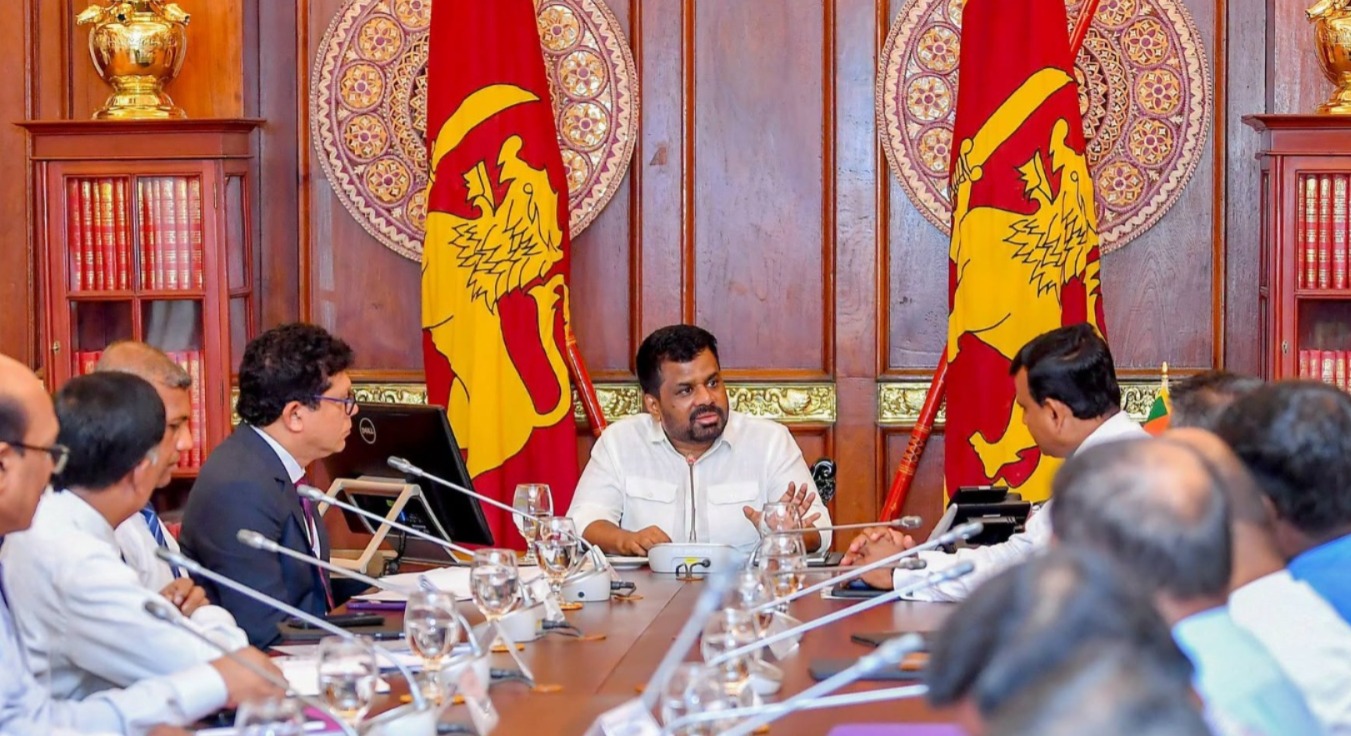
President Anura Kumara Dissanayake chaired a high-level cabinet meeting to address water shortages and agricultural challenges anticipated from El Niño conditions, with meteorological forecasts predicting severe dry weather from February to April 2027.
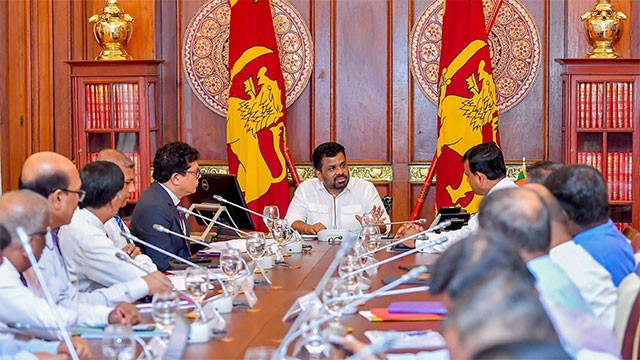
President Anura Kumara Dissanayake held a Special Cabinet Sub-Committee meeting at the Presidential Secretariat on Wednesday to assess the nation's preparedness for prolonged drought conditions linked to El Niño weather patterns. Officials presented updates on current mitigation efforts and discussed strategies to protect critical sectors including agriculture, water supply, energy generation and fisheries.
The Department of Meteorology informed the meeting that severe dry weather is forecast to affect all regions during February, March and April next year. In response, the President directed officials to avoid waiting until reservoirs deplete entirely before implementing water restrictions, instead calling for advance consultations with affected communities and systematic contingency planning. He stressed the importance of mapping vulnerable areas and identifying water sources likely to dry up completely, ensuring residents have access to water for both drinking and essential daily needs.
Agricultural officials reported that crop losses during the recent Yala season remained limited due to advance preparations and timely planting. The President instructed departments to utilise expected October rains for land preparation rather than relying on reservoir releases, and directed the Irrigation Department and Mahaweli Authority to coordinate their efforts. Officials were also tasked with ensuring adequate seed paddy and fertiliser supplies for the upcoming Maha season and establishing support programmes for farming and fishing communities affected by dry conditions.
The President emphasised the need for a comprehensive database tracking water distribution from major reservoirs and smaller schemes, and directed expedited rehabilitation of irrigation infrastructure. He also instructed officials to prepare energy reserves above normal capacity to safeguard electricity supply during the anticipated dry period, and discussed support measures for the plantation sector and wildlife conservation.