Sri Lanka's President met with the Bar Association of Sri Lanka to discuss proposed constitutional amendments affecting the judiciary, defending the reforms as systemic changes necessary to improve court efficiency while addressing concerns about judicial independence.
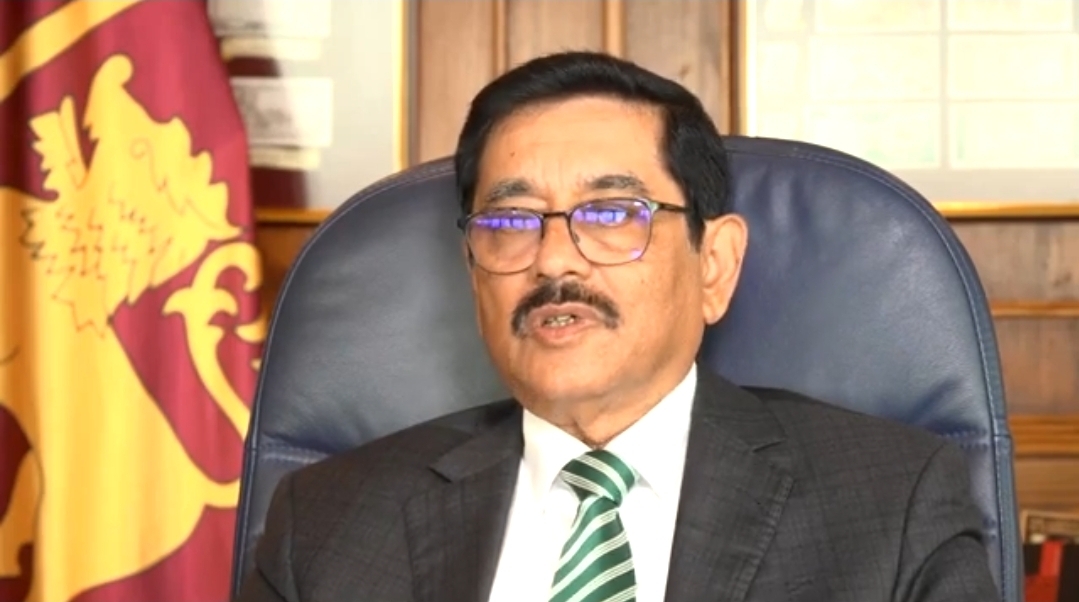
The President engaged in discussions with the Bar Association of Sri Lanka regarding proposed judicial reforms, taking issue with the organisation's decision to release a statement before their scheduled evening meeting. The President argued that releasing detailed positions beforehand constrained opportunities for open dialogue, though he acknowledged the Bar Association's right to express views publicly. He clarified that he would treat the Bar Association's positions as representing the legal profession collectively rather than personal opinions, while noting that whether such views represent the entire profession, a majority, or a minority remains subject to debate.
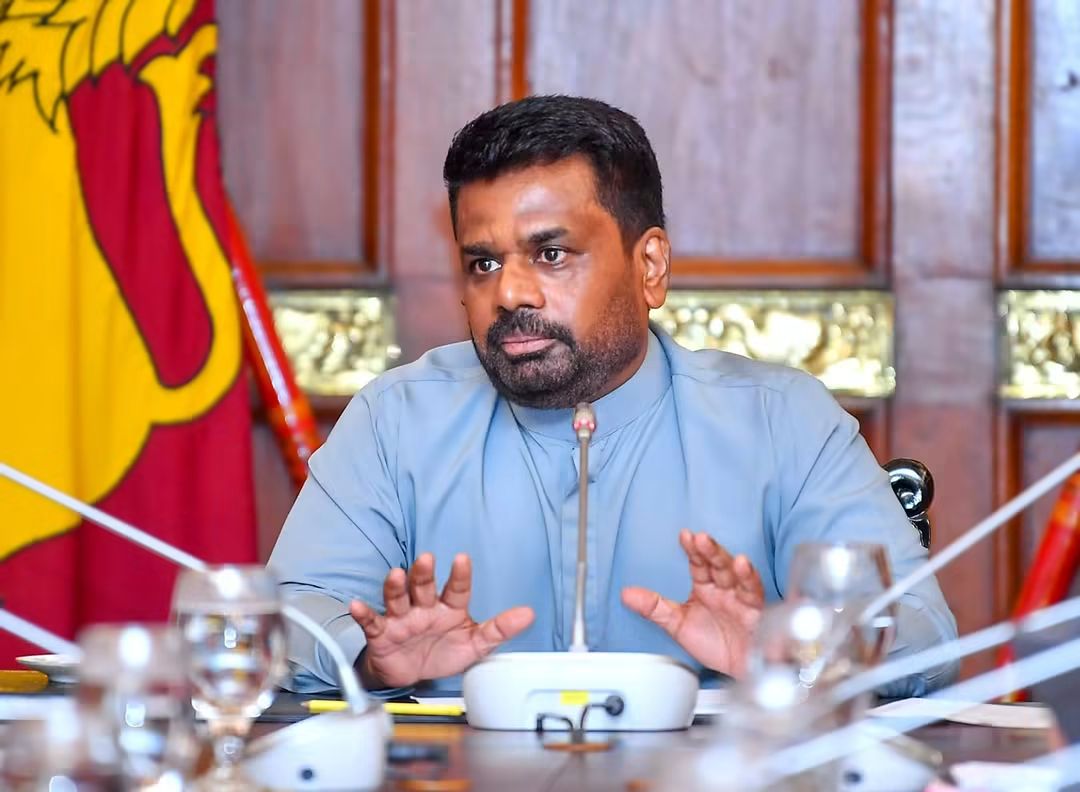
Addressing concerns about constitutional amendments that would expand the judiciary, the President stated his approach is firmly grounded in constitutional authority and denied any intent to exceed executive powers. He expressed willingness to accept personal political risks, including the possibility of losing his position, citing the Easter Sunday investigation as an example of his commitment to meaningful change even when safety concerns exist. Regarding accusations of providing privilege to certain judges, the President contended that any judicial change could theoretically be interpreted as privilege, making it impossible to implement reforms without facing such criticism.
The President defended the timing of judicial appointments, explaining that vacancies in the Court of Appeal were deliberately maintained to avoid disrupting the high-profile Easter Sunday case, which involves approximately 23,000 charges and 3,000 witnesses. He justified this as an example of protecting judicial independence rather than exercising undue influence. The President outlined broader systemic improvements, including plans to establish 24 branch offices for the anti-corruption commission, recruit additional police officers, and strengthen the Attorney General's Department by improving salaries and promotion processes.
The President also announced plans to establish approximately 11 new High Courts across the country and increase High Court judges from 110 to 120 to staff these courts. He proposed four additional Court of Appeal judges to enable provincial sittings and explained that these structural changes, combined with court digitalisation and infrastructure improvements, represent systemic reform rather than individual-focused interventions. He stated that 50 additional magistrates were being recruited through proper competitive processes and acknowledged a shortage of approximately 1,007 support staff within the judicial sector, for which recruitment approval had been granted for 260 positions.


-850783_850x460.jpg)

-850777_850x460.jpg)