
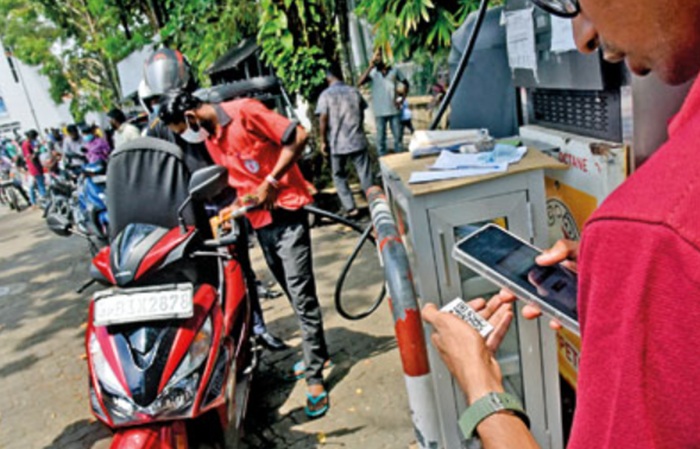
The government will continue operating its QR code-based fuel rationing system as geopolitical instability in the Middle East continues to disrupt global oil supplies and prices.
Sri Lanka's Cabinet has decided to keep the QR code system for fuel distribution in place, citing ongoing Middle East conflicts and uncertainty around the Strait of Hormuz as reasons for maintaining the rationing mechanism. Cabinet Spokesperson Minister Nalinda Jayatissa explained that the system remains necessary to manage fuel supplies and prevent disruptions to daily life as global oil prices remain volatile.
Since the QR system's introduction, fuel consumption has shown a modest decline. Diesel consumption dropped by approximately 10 percent while petrol consumption fell by around 9 percent, according to Minister Jayatissa. However, both sources note this reduction is limited despite the implementation of the rationing measure and price increases.
The government is prioritizing fuel supplies to essential sectors while the system continues. Minister Jayatissa indicated that the Ceylon Petroleum Corporation is expected to maintain the QR mechanism for a considerable period until the global fuel situation stabilizes. The Cabinet spokesperson emphasized that the system serves as a management tool to sustain normal economic functioning during the international supply crisis caused by Middle East instability.