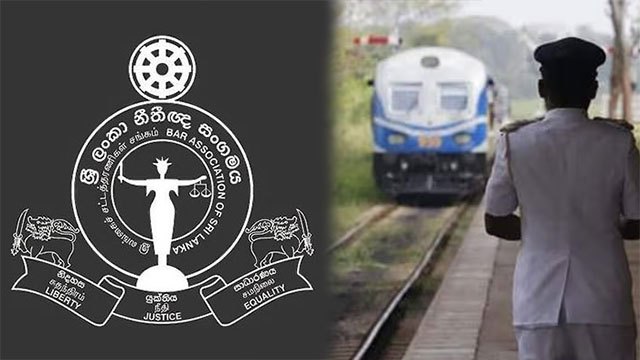
The Sri Lanka Railway Station Masters' Association has publicly backed the Bar Association of Sri Lanka's concerns about the proposed 22nd Amendment, arguing that changes to judicial tenure warrant careful constitutional consideration rather than routine administrative treatment.
The Sri Lanka Railway Station Masters' Association (SLRSMA) has thrown its weight behind the Bar Association of Sri Lanka (BASL) in opposing the proposed 22nd Amendment to the Constitution. In a statement, the Association framed the issue as one that extends beyond the legal profession, emphasizing that protecting judicial independence and the rule of law constitutes a shared responsibility across civil society.
The SLRSMA raised concerns about the amendment's substance and process, arguing that modifications to the tenure or retirement age of superior court judges cannot be treated as routine administrative changes. The Association stressed that the timing, procedures, and potential impact on public trust in the judiciary must receive careful scrutiny. It noted that in democratic systems, justice must not only be delivered fairly but must also be perceived by citizens as independent and free from external influence.
While acknowledging legitimate concerns about judicial efficiency and case backlogs, the SLRSMA cautioned against using administrative reforms as a pretext for measures that could compromise judicial independence. The Association emphasized that a healthy democracy must permit lawful criticism of the judiciary and its failings, but insisted that remedies must follow established constitutional procedures rather than circumvent them.
The SLRSMA characterized its position as defending institutional independence and constitutional values rather than serving any individual, organization, or political party. The Association framed the amendment debate as a matter of national importance affecting the democratic rights and governance structures that benefit all citizens.