The American Red Cross has declared a crisis-level blood shortage in the United States, marking only the second time in its history that supplies have fallen this critically low. The shortage has been driven by extreme weather, wildfires, and increased summer demand.
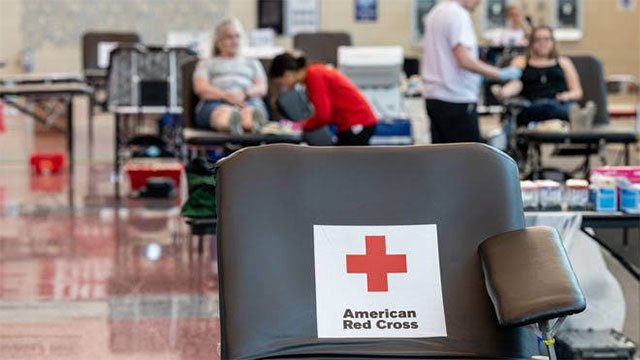
The American Red Cross has declared a blood supply crisis in the United States, the second such declaration in the organization's 150-year history. According to Dr. Courtney Lawrence of the Red Cross, multiple factors have combined to create the current emergency, with blood supply levels dropping by approximately 25 percent over the past month.
The timing of the crisis is particularly acute during summer months, when hospital demand for blood typically increases due to a rise in traffic accidents and outdoor-related injuries requiring transfusions. The Red Cross, which supplies roughly 40 percent of the nation's blood, is currently distributing approximately 3,500 more units than its typical summer distribution rate. Despite these efforts, the organization has been forced to draw heavily from existing reserves, leaving minimal safety margins.
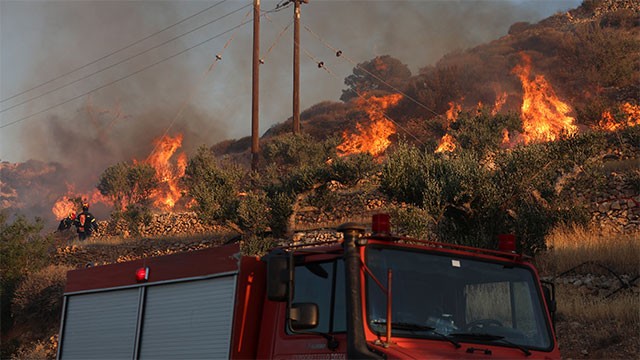
Multiple environmental and health factors have contributed to the shortage. Extreme heat waves across the country have discouraged potential donors, while some blood drive facilities have been unable to maintain safe conditions for collection. Additionally, widespread wildfires have diverted resources and disrupted donation efforts. The Red Cross also cited unusual outbreaks of food-borne illnesses as a factor reducing donor availability.
The critical nature of the situation has prompted hospitals to consider operational adjustments. Some facilities are evaluating whether to redirect trauma patients to other centers if blood supplies fall below emergency response thresholds. Supplies of all blood types are needed, though O positive blood—which serves as a universal type for emergency situations—is in particularly high demand. The previous crisis occurred in January 2022 during the COVID-19 pandemic and severe winter weather. Blood supplies in Canada have similarly declined by nearly 20 percent since early June, though the cause remains unclear.