Sri Lanka's Irrigation Department has launched a Rs. 200 million renovation project for the Kachchimaduwa Tank, damaged during Cyclone Ditwah, with the Agriculture Minister outlining broader plans to support farmers and boost agricultural productivity.
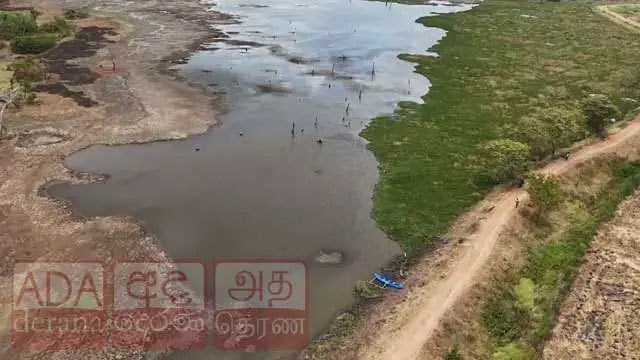
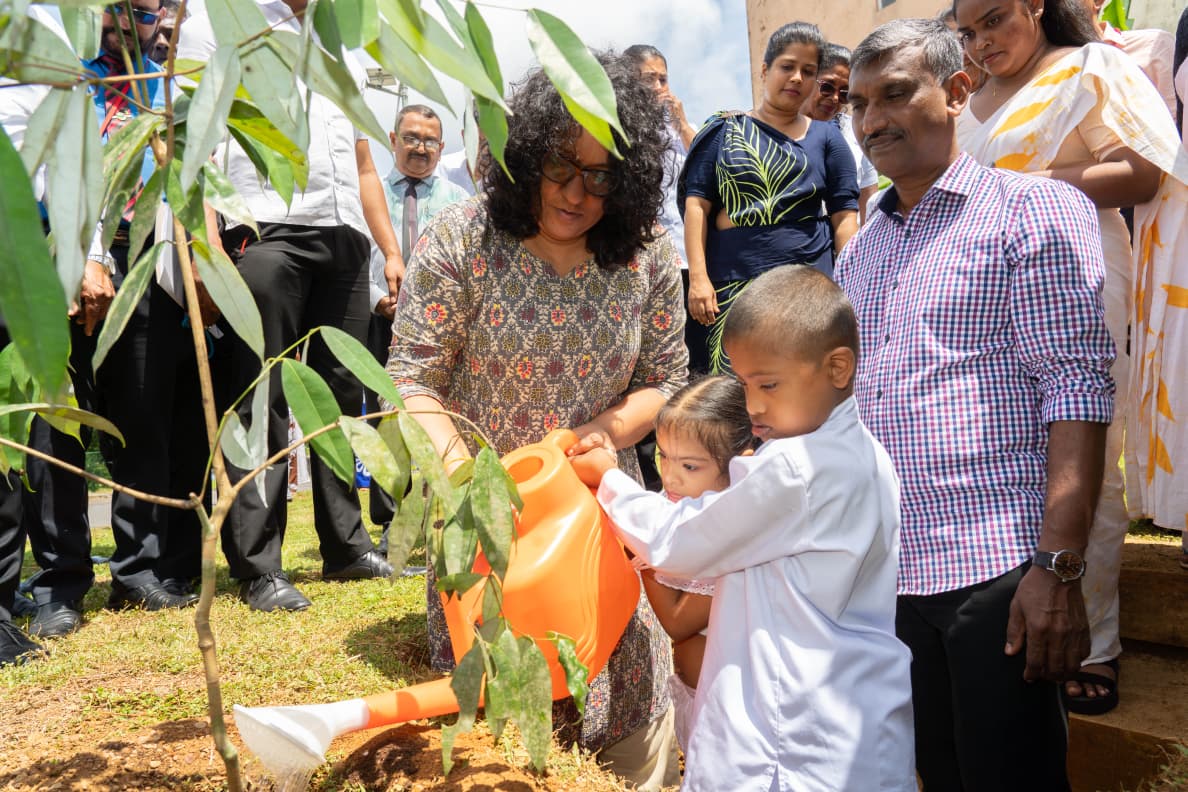
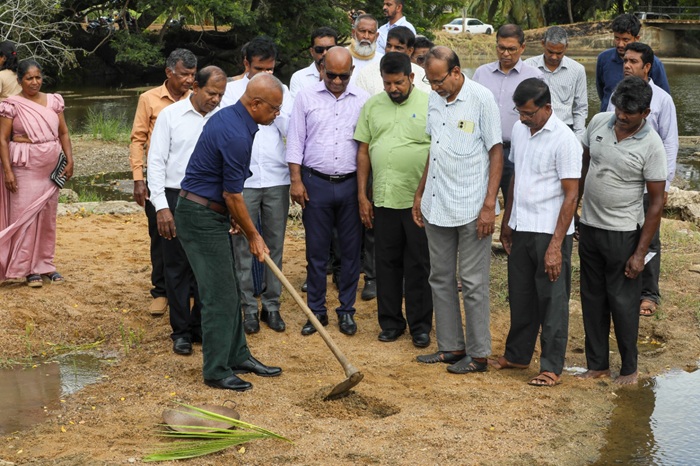
The Irrigation Department has initiated repairs to the Kachchimaduwa Tank, which sustained damage during the recent Ditwah cyclone, with an estimated cost of Rs. 200 million. An inauguration ceremony for the project took place under the direction of Agriculture, Livestock, Lands and Irrigation Minister K.D. Lal Kantha, who used the occasion to address broader challenges facing the agricultural sector.
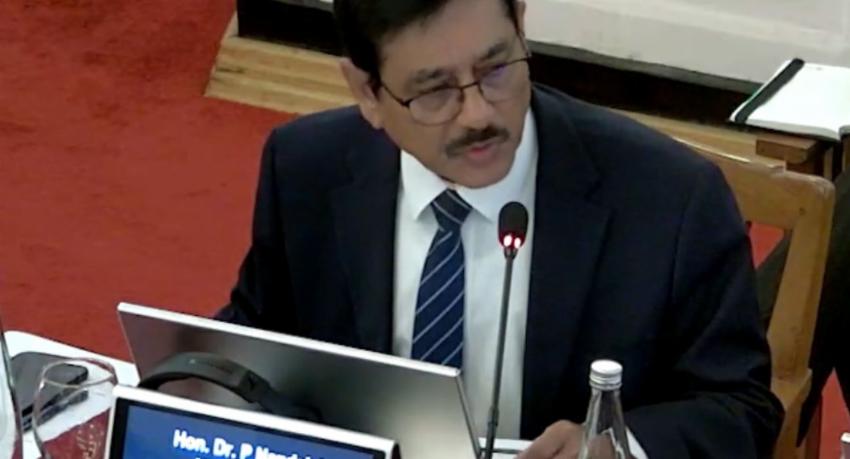
During his remarks, Minister Lal Kantha highlighted the pressing issue of farm income sustainability, noting that without adequate market prices, agricultural production becomes economically unviable. He characterized poverty among farmers as a key concern that his ministry aims to address. While acknowledging that the government has invested considerable funds in irrigation infrastructure, the Minister cited implementation gaps within the public service as obstacles to progress.
To support paddy procurement, the government plans to expand purchasing beyond state warehouses by involving small and medium-scale mill operators, offering interest-free loans of Rs. 250 million each through the Treasury. Large-scale mill owners will also participate at government-set prices. The Minister also outlined plans to introduce new technology to address wet paddy complications and encourage farmers to diversify through livestock production alongside crop cultivation.
Addressing production deficiencies, Minister Lal Kantha noted significant yield variations across regions and announced productivity improvement programmes through the Agriculture Department. He highlighted a critical import gap in maize production, where domestic output reaches only 300,000 of the required 700,000 metric tons annually, with the government redirecting to rice-based animal feed alternatives. The Minister emphasized the combined use of chemical and organic fertilizers alongside continued government support through fertilizer subsidies and irrigation facilities to strengthen farmer livelihoods and ensure national food security.