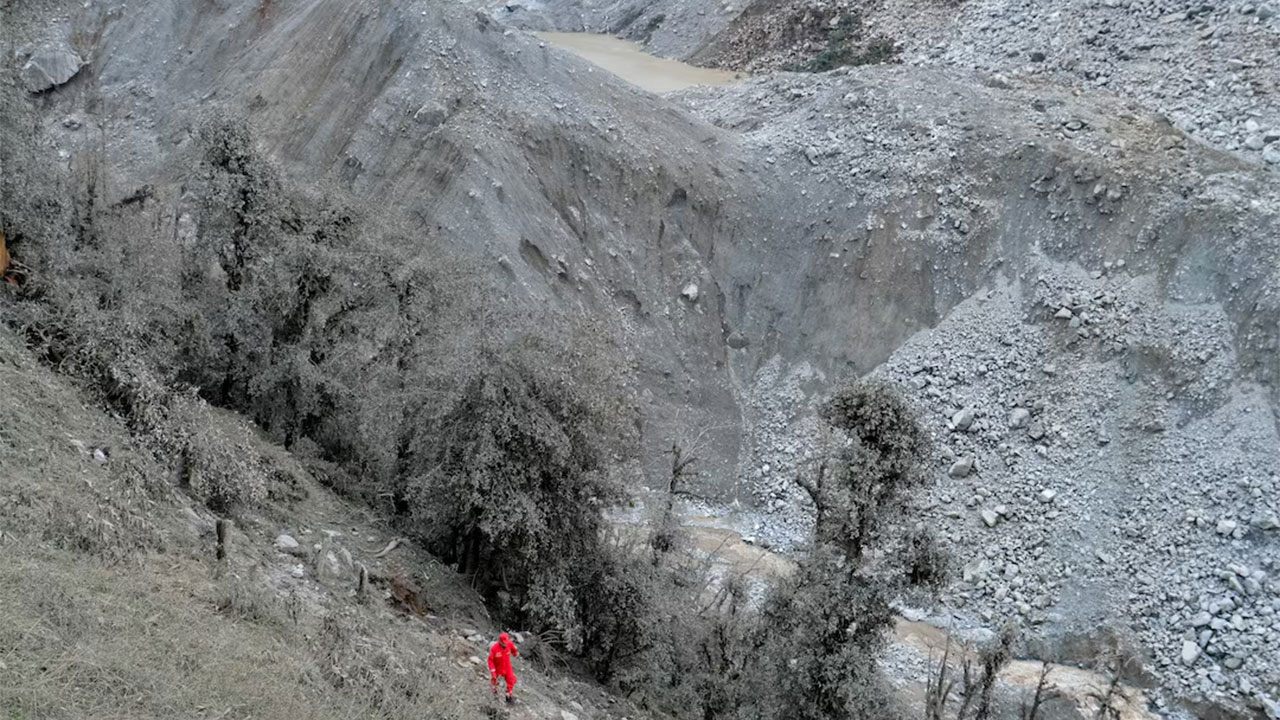
A glacial lake formed after a devastating collapse near the China-Nepal border has begun draining naturally, reducing immediate flood risks to rescue operations, though authorities warn secondary disasters remain a concern.
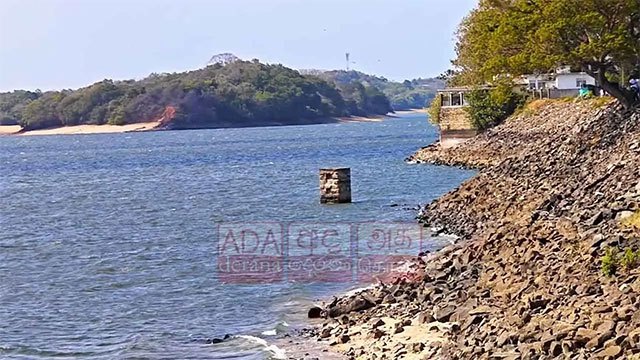
The risk of catastrophic flooding from a glacier-formed lake near the China-Nepal border has lessened, according to Chinese authorities monitoring the situation following a major disaster that struck the region on Wednesday. Satellite imagery tracked between Thursday and Saturday morning indicates the lake's water levels have been gradually declining through natural overflow, with the surface area shrinking from approximately 120,000 square metres to 99,000 square metres—roughly equivalent to 14 football fields combined—over a 48-hour period, state broadcaster CCTV reported citing the Water Resources Ministry.
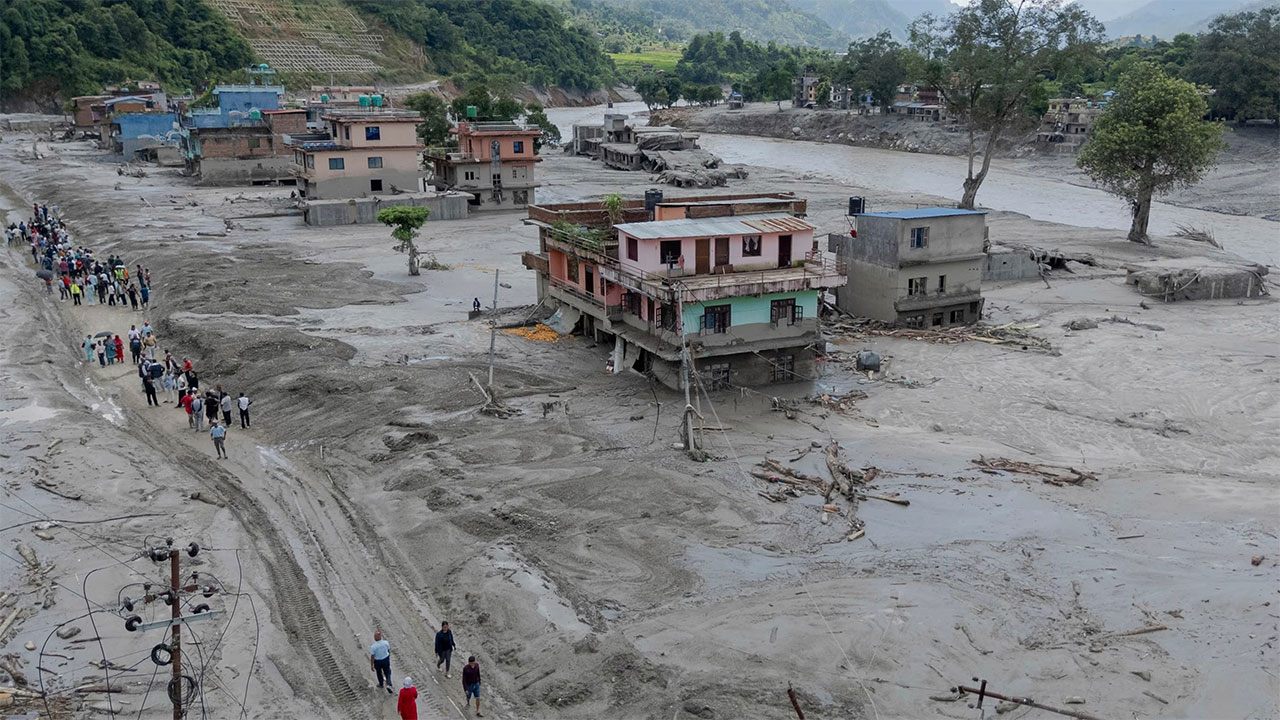
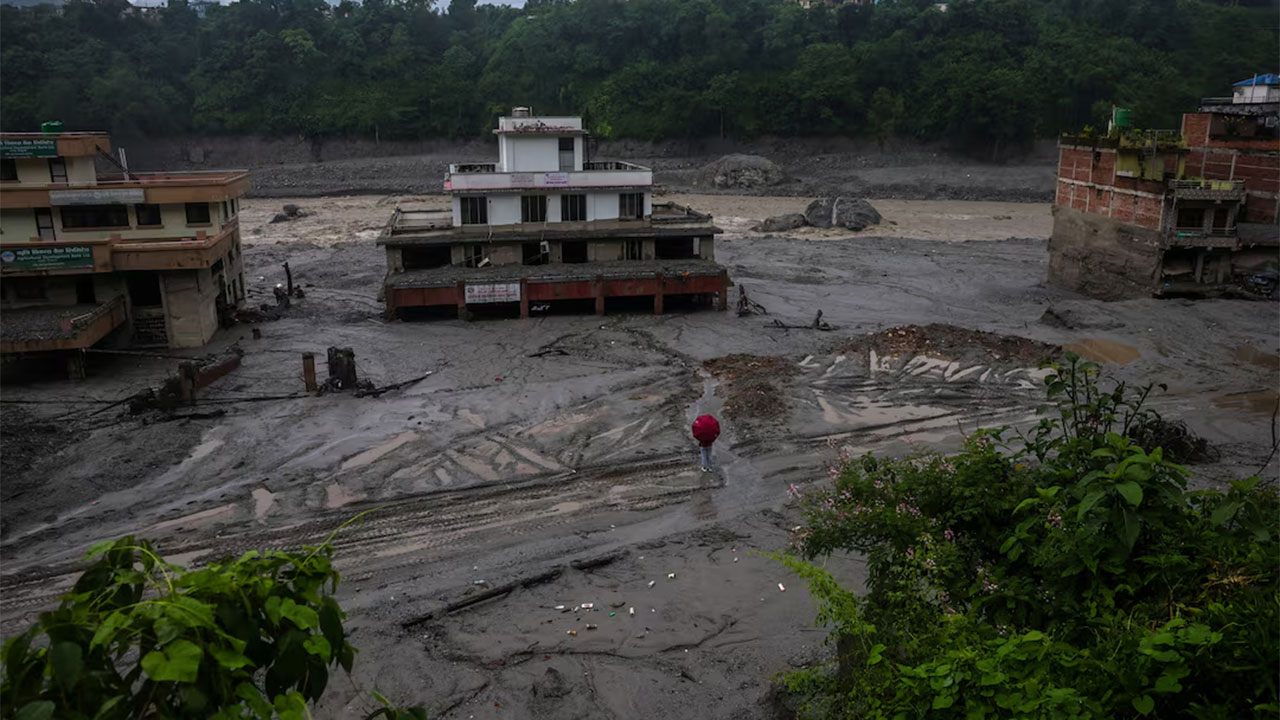
The glacier collapse that created this lake sent a torrent of rock, ice, mud and debris cascading through Himalayan river systems, destroying a border port complex linking China's Tibet region to Nepal. The initial disaster has claimed at least seven lives according to Chinese figures, with 554 people reported missing as of early Saturday. Rescue efforts have been hampered by treacherous terrain, damaged infrastructure, and dangerous weather conditions.
Despite the shrinking primary lake, authorities have identified a second, larger body of water at the bottom of the glacier collapse site. Chen Hongqi, a senior engineer at the Ministry of Natural Resources' Geological Disaster Technical Guidance Center, noted this secondary lake covers an estimated area exceeding 120,000 square metres, though its depth remains unknown. Officials from Nepal's Disaster Management Authority have cautioned that flood risks will persist until both lakes have fully drained.
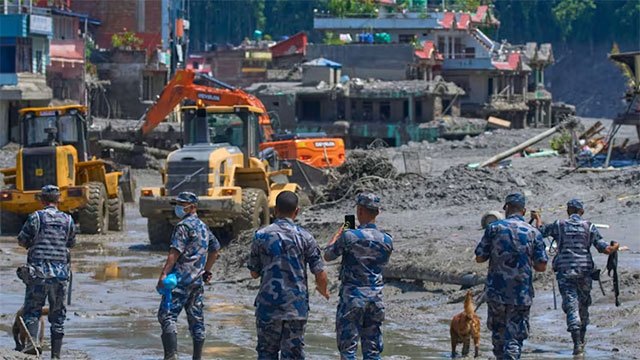
China has deployed extensive resources to monitor developments, with a specialised 15-member team dispatched Friday equipped with reconnaissance drones and surveillance equipment. An overflow event on Friday temporarily interrupted rescue operations before assessment determined risks were manageable. More than 50 rescue workers have been working through difficult conditions to search for survivors among the debris field.