Kandy National Hospital has been commissioned with three major medical systems worth Rs. 620 million, including cardiac and imaging facilities, as part of broader healthcare infrastructure improvements.
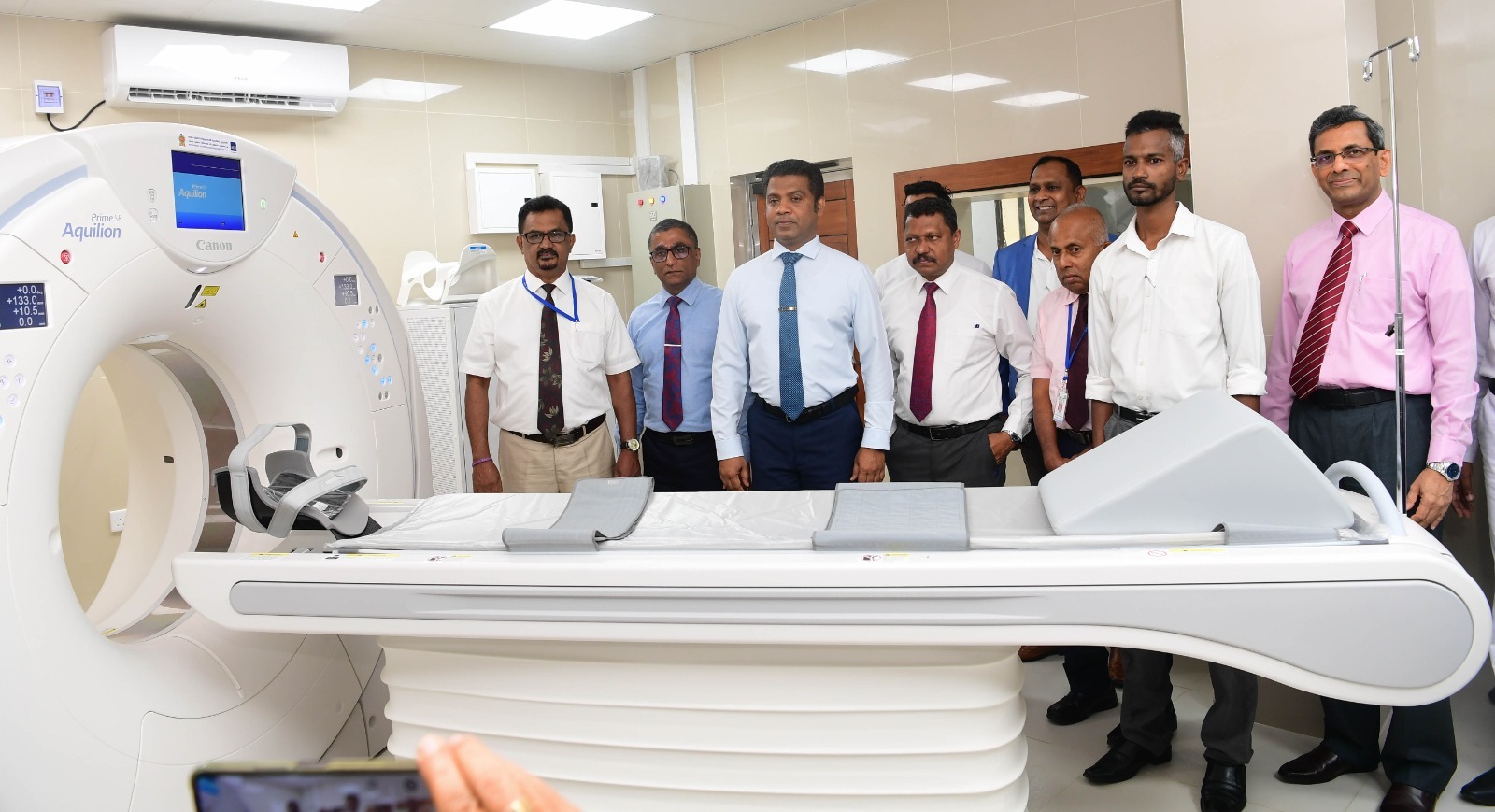
Kandy National Hospital officially began using three advanced medical systems valued at Rs. 620 million on August 15, according to the Ministry of Health and Mass Media. The equipment suite comprises a cardiac catheterization laboratory costing Rs. 250 million, a mammography unit valued at Rs. 180 million, and a CT scanner system worth Rs. 190 million. The commissioning took place under the oversight of Health and Mass Media Minister Dr. Nalinda Jayatissa and Deputy Health Minister Dr. Hansaka Wijemuni.
The acquisition was made possible through funding from the Health System Enhancement Project, which receives support from the Asian Development Bank. According to the Ministry, the CT scanner represents the hospital's second such machine for radiology operations, while the cardiac catheterization laboratory is also the institution's second facility of this type. The mammography unit is identified as one of only five machines operating in Sri Lanka with the country's most advanced mammography technology.
Minister Jayatissa indicated that the new diagnostic and treatment capabilities are intended to address operational challenges at the institution. Kandy National Hospital, which functions as Sri Lanka's second national hospital and provides tertiary care services to a substantial patient population, currently experiences notably high patient waiting times. The Minister stated that over Rs. 8 billion worth of development initiatives are underway at the facility, including construction projects related to cancer treatment and accident care units.
The equipment installation aligns with a nationwide initiative to enhance cardiac care capacity. The Ministry confirmed that 16 cardiac catheterization laboratories are scheduled for installation across Sri Lanka's hospital network during 2026, with Kandy's new facility forming part of this expansion plan. The 2,800-bed hospital serves a large regional population across the central highlands.