Opposition Leader Sajith Premadasa has called for Sri Lanka to establish a modern disaster management framework to prepare for predicted severe climate impacts this year, warning that the country remains vulnerable despite past tragedies.
Opposition Leader Sajith Premadasa has warned that Sri Lanka faces an urgent need to strengthen its disaster preparedness systems ahead of potentially severe weather patterns linked to the El Niño–La Niña climate cycle. Speaking at an event in Matara–Hambantota, Premadasa emphasized that experts predict unusually intense impacts this year, with early signs already visible in forest fires across Europe.
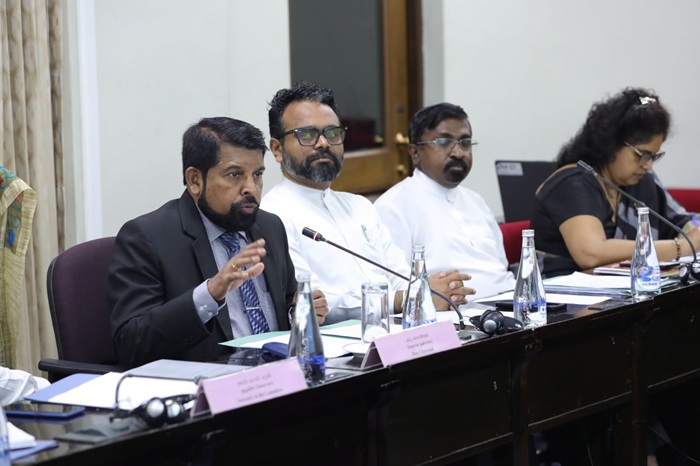
Premadasa indicated that the Parliamentary Committee on Climate Change, which he co-chairs, is examining climate vulnerabilities. He described the anticipated weather hazards as extreme swings between drought and heavy rainfall occurring within compressed timeframes. According to Premadasa, Sri Lanka's current approach relies too heavily on reactive crisis response rather than systematic prevention and preparedness. He referenced India's Odisha state as a model for proactive disaster management that the country should study.
The Opposition Leader reflected on Sri Lanka's history of major crises, from the 2004 tsunami that killed approximately 40,000 people to more recent tragedies, noting that the country has failed to implement comprehensive protective systems in the two decades since the tsunami. Premadasa argued that effective disaster management requires coordinated participation from government agencies, private sector entities, and civil society organizations working within a unified framework.
Beyond climate concerns, Premadasa raised broader economic security issues, suggesting that financial vulnerabilities expose nations to external pressure from international institutions and corporations. He called for national unity in addressing these interconnected challenges, stating that Sri Lanka must develop institutional capacity to withstand recurring disasters rather than managing each crisis as an isolated incident.