

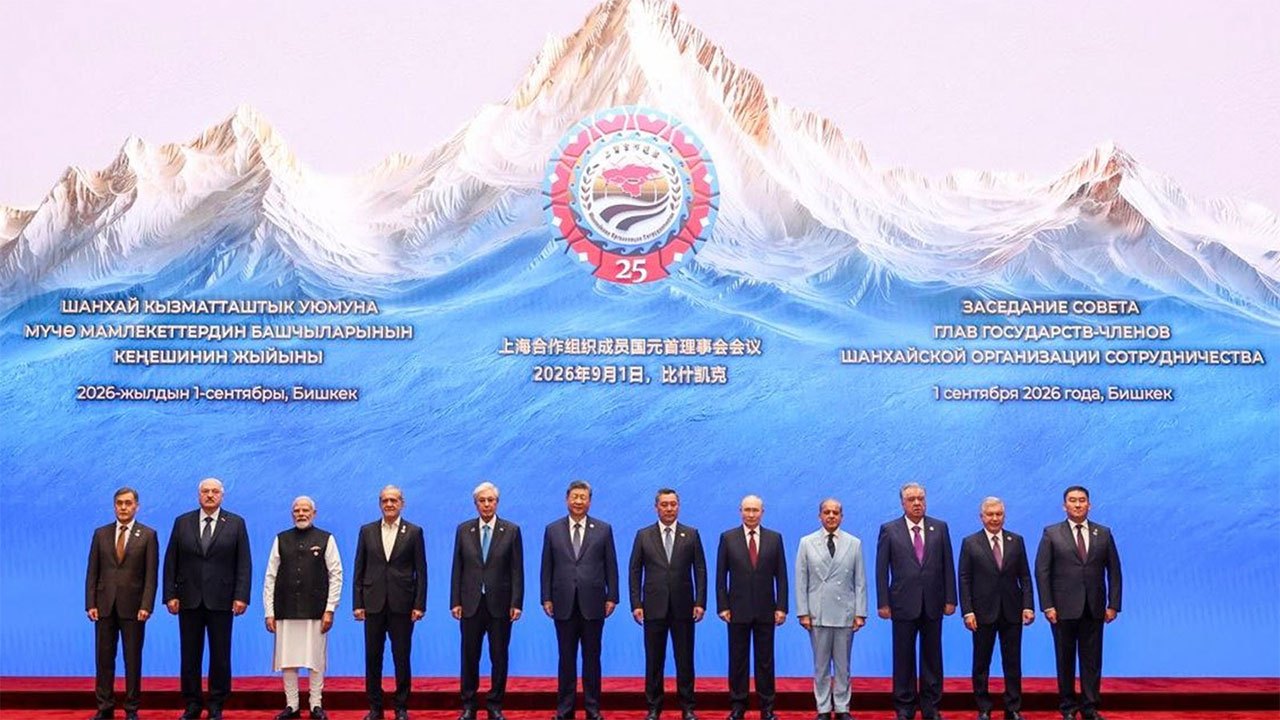
The Shanghai Cooperation Organisation concluded its 26th summit in Bishkek with the adoption of a comprehensive declaration and multiple cooperative agreements spanning security, drug control, environmental protection, and technology development through 2030.
Leaders of the Shanghai Cooperation Organisation finalised their 26th summit in Kyrgyzstan by endorsing the Bishkek Declaration and a series of binding agreements. The gathering, which took place on Tuesday, marked the 25th anniversary of the SCO and saw Prime Minister Narendra Modi and other member state heads of government participate in the signing of revised charter protocols alongside the main declaration.
The summit produced several significant policy frameworks aimed at regional cooperation. Member states approved coordinated programs to combat drug trafficking and addiction through 2030, with specific initiatives targeting synthetic drugs and their precursor chemicals. Additionally, leaders agreed on cooperation plans focused on international information security for 2026-2028 and established a new "Green Technology Corridor" initiative to foster scientific and technological collaboration across member nations. A separate roadmap for developing ports and logistics infrastructure was also adopted for the 2026-2030 period.
Environmental concerns featured prominently in the agreements, with leaders adopting a conservation and sustainability initiative for biodiversity across SCO member states from 2026-2031. The summit also saw the formalisation of regulatory frameworks governing the Universal Centre for Countering Security Challenges and Threats and the SCO Anti-Narcotics Centre's executive committee.
During his address, PM Modi delivered remarks on regional security challenges, emphasising that member states must take unified action against terrorism without permitting double standards. He called for dismantling support systems for terrorist organisations, including financing networks and recruitment channels, and cautioned against allowing terrorism to serve as a geopolitical instrument.