
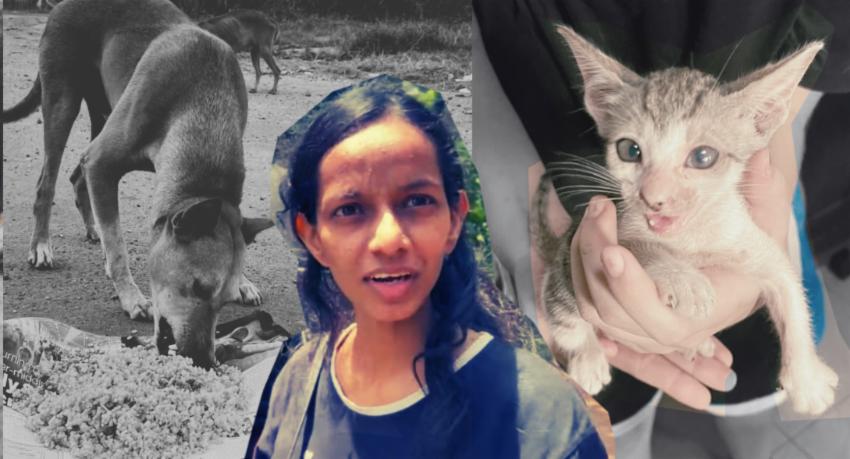
Sahana, founder of Purrs and Woofs SL, feeds 500-600 stray dogs and cats weekly across the Western Province, but faces dwindling donations, veterinary debt, and neighbor complaints threatening her rescue operations.
Sahana has dedicated herself to caring for Sri Lanka's stray animals since 2015, operating her charity primarily alone with her vehicle driver. Her weekly feeding rounds take her through multiple locations in the Western Province, where she distributes rice, fish, and chicken to animals visibly marked by street life. Beyond street feeding, she maintains a shelter in her home for animals unable to survive outdoors, including elderly cats and dogs, pregnant animals, and those with severe conditions such as mange.
Criticism of individual feeding efforts centers on concerns that food provision may worsen the stray population by allowing animals to survive and reproduce. However, Sahana emphasizes that her work extends beyond feeding to include vaccination drives and sterilization programs. According to her account, sterilization represents the most effective long-term solution to managing stray populations, reducing aggressive behavior and eliminating reproductive-related health conditions. Vaccination, she notes, is relatively affordable and reduces rabies transmission.
Sahana's operations face significant financial strain. Her bank account frequently drops to 50-100 rupees, and veterinary clinics have stopped treating her rescues until outstanding debts are cleared. This has resulted in delayed rounds at some locations and inability to treat animals needing immediate care. Meanwhile, neighboring residents have begun organizing complaints about odors and insects, with some allegedly threatening her animals directly. She estimates only four or five solo rescuers operate in similar capacities nationwide, and she has called for greater government involvement in stray management.
Despite these challenges, Sahana reports that many community members, particularly laborers, security guards, and others from lower-income backgrounds, actively support her efforts through emergency calls and adoptions. She emphasizes that stray dogs she has fed have never attacked her, and attributes incidents to human provocation rather than animal aggression. She continues to advocate for adoption as a practical way individuals can contribute to reducing the stray population.
-848812_850x460.jpg)