An SJB parliamentarian has made public a letter from Buddhist religious leaders opposing the government's 22nd Amendment proposal to extend the retirement age of superior court judges, while the government maintains the reform is part of broader judicial efficiency improvements.
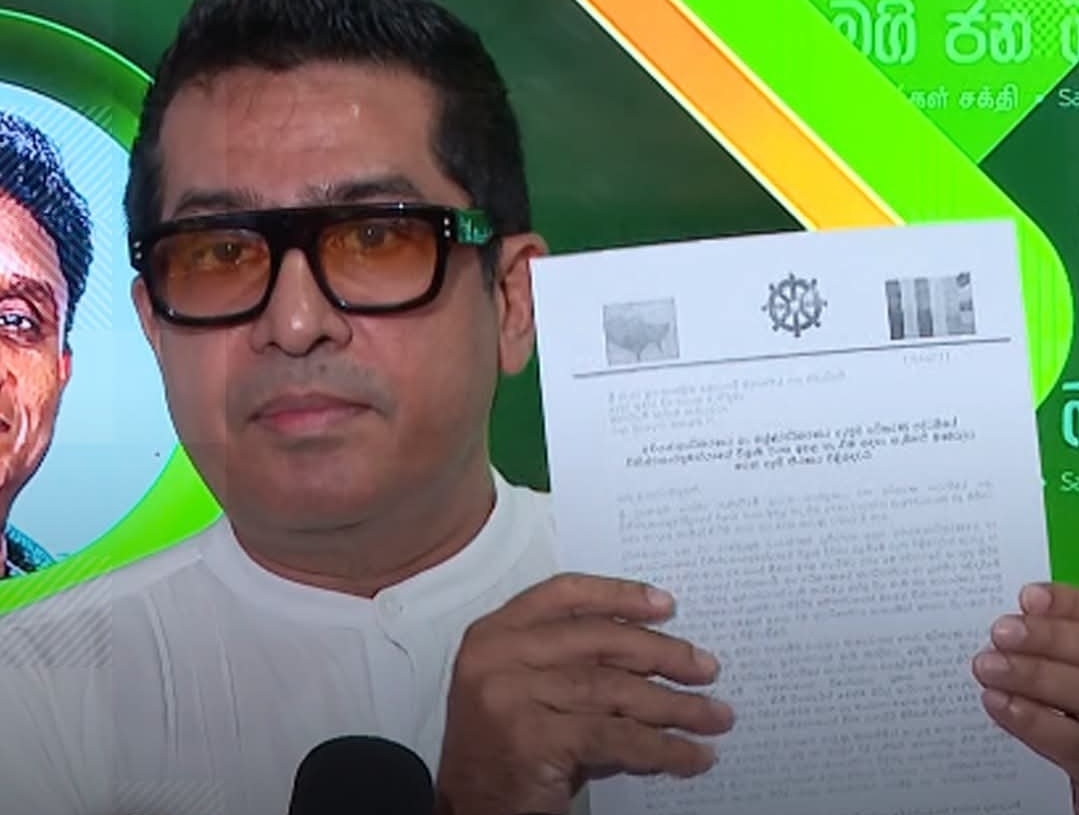
Opposition MP Sujeewa Senasinghe released a letter Wednesday from the Chief Prelates of Sri Lanka's three main Buddhist monastic chapters, in which they urged President Anura Kumara Dissanayake against proceeding with the proposed 22nd Amendment to the Constitution. The amendment would extend the retirement age for judges at the Court of Appeal and Supreme Court, currently set at 63 and 65 years respectively, according to the letter's contents.
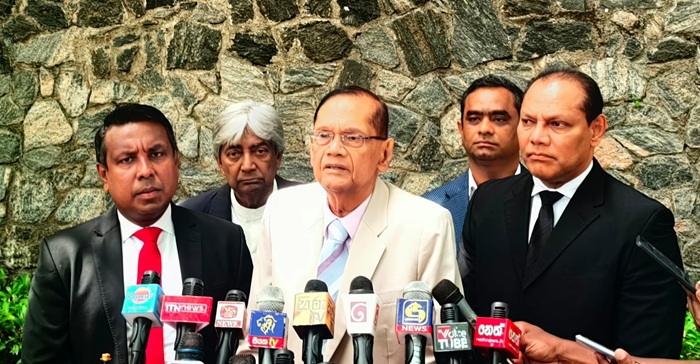
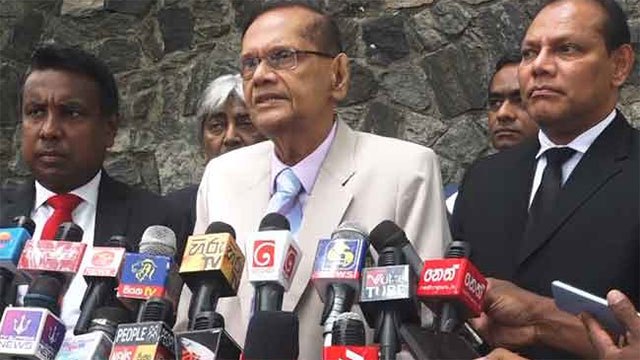
Speaking at a media briefing, Senasinghe stated that the Chief Prelates expressed their belief that increasing these retirement age limits would be inappropriate. He noted that obtaining the letter had been challenging before it eventually reached his attention. The letter had reportedly been the subject of political discussion in preceding days.
Following the letter's submission to the President, Cabinet Spokesman Minister Nalinda Jayatissa and Justice Minister Harshana Nanayakkara held meetings with the Chief Prelates to present the government's position. Jayatissa explained that the retirement age extension forms part of a comprehensive judicial reform initiative designed to address case backlogs, enhance court efficiency and streamline processes. The broader reform package includes filling judicial vacancies, increasing court sittings, establishing new courts, digitalising institutions and improving judicial facilities. According to Jayatissa, the retirement age extension would apply across all judicial levels, affecting approximately 400 judges, and is not targeted at any individual.
Jayatissa reported that following these discussions, the Chief Prelates indicated willingness to support the reforms if they demonstrably reduce delays and benefit the public. The sequence of events reveals that the Chief Prelates' initial opposition preceded the government's explanatory meetings.