Sri Lanka's cabinet approved multiple economic and development initiatives on Wednesday, including the transfer of idle state machinery to local authorities, a new pharmaceutical framework, and a $200 million ADB loan for post-cyclone reconstruction.
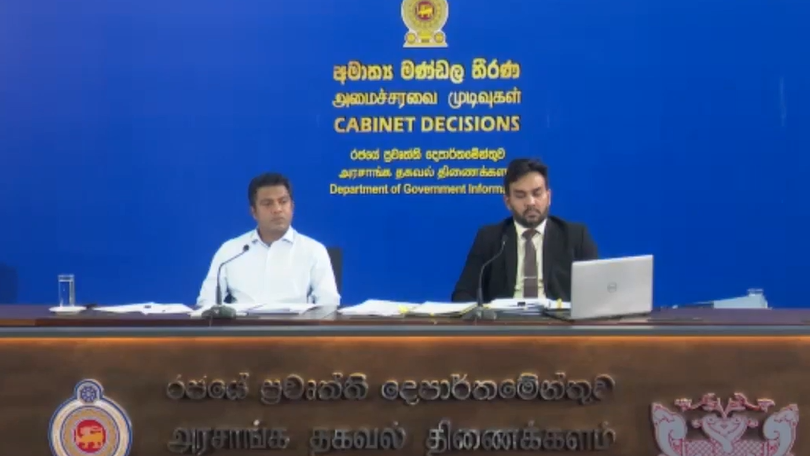
Sri Lanka's cabinet has greenlit the transfer of unused construction vehicles and heavy machinery from the State Engineering Corporation to Provincial Councils and local government bodies. According to Housing Minister Nalinda Jayatissa, the equipment—originally managed by the National Machinery Institute—has remained largely idle, with significant quantities stored on valuable land in central Anuradhapura. The decision follows formal requests from regional authorities seeking to deploy these assets for provincial development work, including rural road rehabilitation and irrigation projects. Recipient bodies will be required to pay the government's assessed value for the transferred machinery.
In a separate cabinet action, the government approved the National Pharmaceutical Policy for 2026–2030, replacing a framework that had remained unchanged since 2005. Minister Jayatissa stated the new policy addresses current health challenges, global supply chain disruptions, and the need to support domestic medicine manufacturing. The framework aims to ensure medicines meet international quality standards while remaining affordable through regulated retail pricing across more than 1,000 varieties. However, price adjustments requested by importers due to exchange rate fluctuations remain pending pending resolution of an ongoing Court of Appeal hearing.
Meanwhile, Sri Lanka secured a $200 million loan agreement with the Asian Development Bank to support five-year post-Cyclone Ditwah reconstruction efforts through 2030. The funding will finance rehabilitation of cyclone-damaged roads with improved climate resilience, restoration of irrigation systems, and livelihood assistance for affected rural and coastal communities. The Ministry of Transport, Highways and Urban Development will oversee the project, which aims to address widespread damage to infrastructure, agricultural land, and livelihoods caused by the cyclone's torrential rains, flooding, and strong winds.