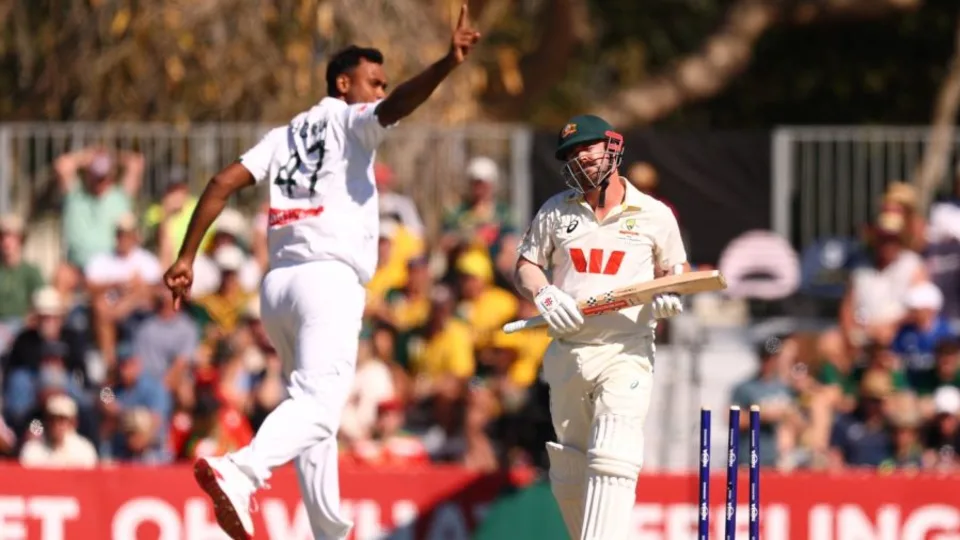
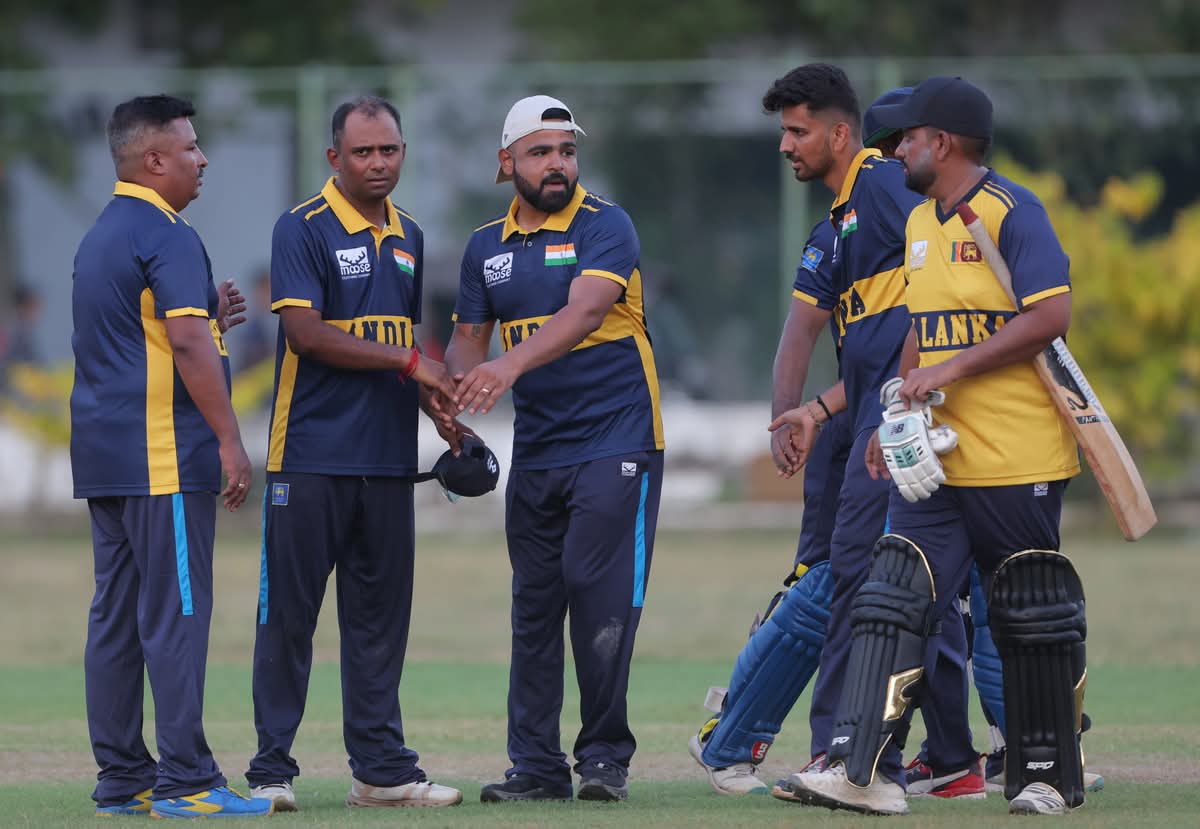
Sri Lanka must reverse a decade-long decline against top teams as they prepare for the second Test against India in Colombo, with their struggling spin attack under particular pressure after a disappointing performance in Galle.
Sri Lanka faces an uphill battle in the second Test against India at the Sinhalese Sports Club, seeking to avoid extending their winless streak against the subcontinent's leading cricketing nations. The hosts have not won a series against India, England, or Australia in ten years, with their last victory against India coming in 2008. According to analysis of the first Test, this decline has been particularly acute since the retirement of Rangana Herath, whose departure left a significant gap in the team's bowling attack.
The primary concern for the home side centres on the performance of their spinners, Prabath Jayasuriya and debutant Keshara Nuwantha, who were outbowled by India's trio of Manav Suthar, Ravindra Jadeja, and Kuldeep Yadav in Galle. Sri Lanka enters the Colombo Test with compounding injury problems, having lost Pathum Nissanka, Kusal Mendis, and captain Dinesh Chandimal to concussion. The team has also dropped opening batter Nishan Madushka and spinner Ramesh Mendis, bringing in debutant Kamil Mishara alongside other changes primarily in the batting order.
India, meanwhile, will seek to secure a winning position in the World Test Championship race. The visitors delivered a comprehensive performance at Galle after losing two of their last three home series in similar conditions. Their spinners, particularly the rapidly accepted Manav Suthar, demonstrated notable effectiveness in his debut. However, Kuldeep Yadav managed only one wicket in his comeback Test and faces scrutiny regarding match rhythm, having played just 16 of his 19 Test matches in India and Sri Lanka.
The toss will prove crucial for both teams. Sri Lanka showed significantly better batting conditions on the first day at Galle compared to subsequent days affected by rain, highlighting the importance of winning the coin flip. The Sinhalese Sports Club has historically been unfavourable to fast bowlers, averaging 38 runs per wicket over the past decade. At best, Sri Lanka can hope for a series draw in Colombo, making improved spinner performances essential to remaining competitive.