

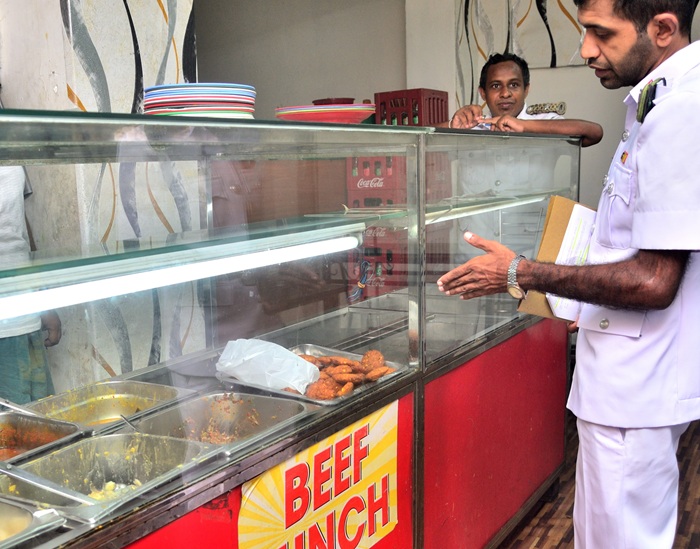
Sri Lanka has introduced its inaugural National Food Safety Policy, developed with assistance from the UN Food and Agriculture Organization and the European Union, to establish coordinated governance and strengthen public health protections across the country's food systems.
Sri Lanka has unveiled its first comprehensive National Food Safety Policy, marking a significant development in the country's approach to food governance and public health. The policy was developed under the Ministry of Health with technical support from the Food and Agriculture Organization (FAO) and funding through the European Union's Mainstreaming Standards-Based Best Practices for Agri-Food Sector Development (BESPA) programme.
While Sri Lanka previously maintained various legal frameworks addressing food safety, the country lacked an overarching national policy to coordinate efforts across different institutions and sectors. The new policy addresses this gap by establishing a risk-based, preventive approach that spans the entire food production and consumption chain. It aims to strengthen governance structures, enhance surveillance capabilities, improve laboratory capacity, and promote better coordination among stakeholders at national, provincial and local levels.
The policy responds to evolving challenges within Sri Lanka's food systems, including changing production methods, expanded domestic and international trade, and increasingly complex supply chains. Officials from the Ministry of Health and the EU delegation emphasized that robust food safety systems are essential for protecting public health, building consumer confidence, and supporting economic competitiveness in the agrifood sector. The implementation of the policy will be supported by a proposed updated Food Act currently under development, with FAO facilitating stakeholder consultations on the legislation.
The National Food Safety Policy identifies six strategic priority areas for implementation: strengthening governance and institutional coordination, improving food safety controls throughout the food chain, enhancing legislation and regulatory systems, strengthening surveillance and risk analysis capabilities, promoting education and capacity development, and establishing monitoring mechanisms. Officials project that these measures will help reduce foodborne illnesses, improve consumer confidence, and facilitate international trade while supporting the country's agriculture and tourism sectors.