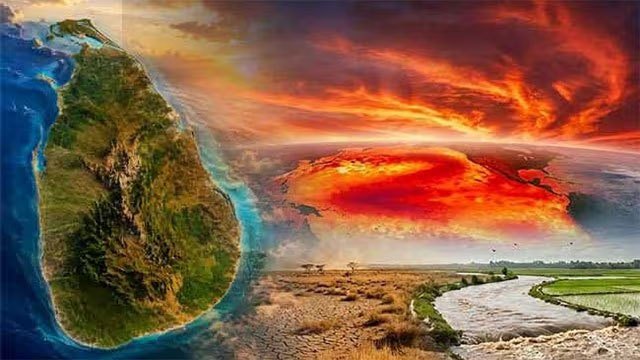
Sri Lanka is confronting one of the most intense El Niño events in approximately 75 years, prompting government alerts about immediate water shortages and dry conditions, with prospects of heavy rainfall later in the year.
Sri Lankan authorities have declared a heightened state of alert as an exceptionally strong El Niño phenomenon bears down on the island nation. According to Environment Minister Dr. Dhammika Patabendi, a specialized government committee convened on August 17 concluded that the El Niño has intensified from a strong to a "very strong" classification, potentially marking one of the most severe occurrences the country has experienced in the past 75 years.
The immediate concern centers on water security across multiple regions. The government has identified several districts facing acute challenges to drinking water and irrigation supplies, including Ampara, Monaragala, Batticaloa, Ratnapura, Badulla and Matale. However, Minister Patabendi clarified that impacts remain localized to specific administrative divisions rather than affecting entire districts. Emergency response measures, including water delivery via bowsers, have already been mobilized to ensure affected communities maintain access to essential supplies.
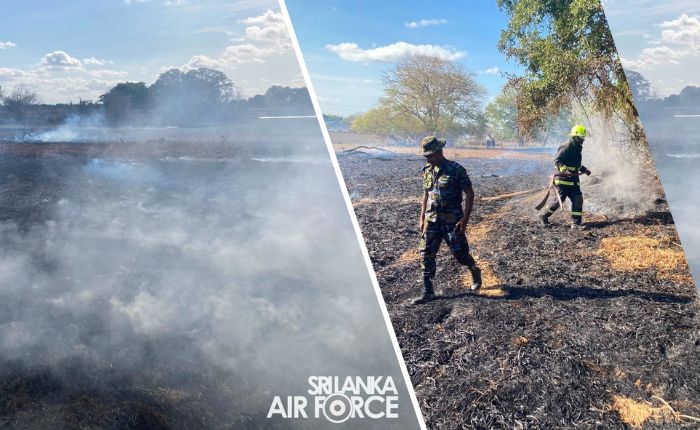
Meteorological forecasts paint a complex picture of climatic pressures ahead. Director General of the Department of Meteorology Ajith Wijemannage indicated that reduced rainfall will likely persist through August and September, particularly affecting the Northern, Eastern, North Central and Monaragala districts. This dry phase is expected to shift substantially by late September. Analysis of historical El Niño patterns suggests Sri Lanka faces a sharp reversal, with above-normal rainfall anticipated during October and November, intensifying further in December as the Northeast Monsoon season commences.