
Sri Lanka's Cabinet has endorsed a three-year national implementation plan aligned with the United Nations' Global Compact for Safe, Orderly and Regular Migration, aiming to enhance foreign employment opportunities for workers while cracking down on human trafficking and illegal smuggling networks.
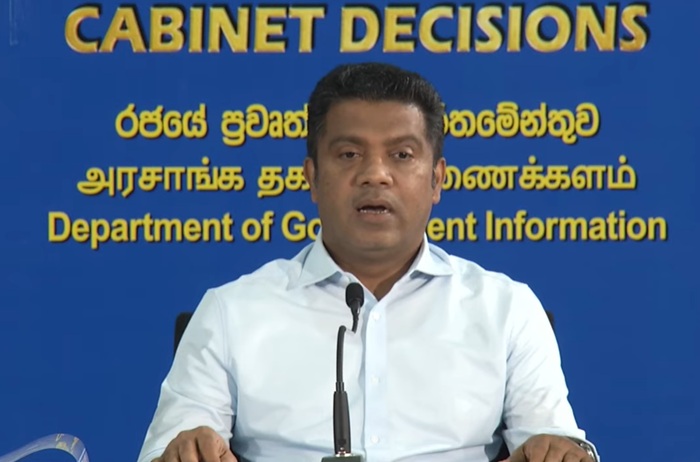
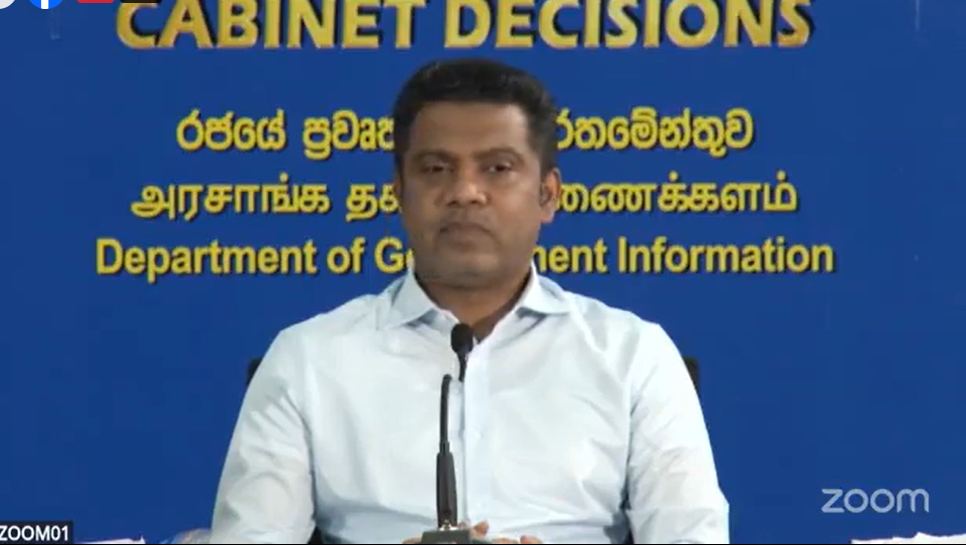
Sri Lanka's government has given formal approval to a national action plan spanning 2026 through 2028 that operationalizes the country's commitment to the UN's Global Compact framework for migration. According to Cabinet spokesman Nalin Jayatissa, the initiative seeks to maximize positive outcomes from the country's overseas employment sector, including increasing foreign remittance inflows through targeted skill development and employment promotion programs.
The framework also establishes mechanisms to address migration-related criminal activities, particularly human trafficking and smuggling operations that exploit vulnerable workers. Sri Lanka initially adopted the Global Compact in December 2018 to create structured pathways for safe overseas employment. Implementation efforts began in 2021 with the establishment of a dedicated committee involving the foreign affairs and labor ministries, which produced a preliminary roadmap in 2022.
Progress stalled during Sri Lanka's recent economic crisis, but a reorganization of the oversight committee in 2025 followed by stakeholder consultations enabled the development of the updated roadmap. The refreshed plan aims to modernize labor export strategies, enhance migrant worker qualifications, and dismantle illegal smuggling networks that facilitate worker exploitation. The three-year implementation period represents a renewed commitment to balancing migration management with worker protection and economic benefit through remittance flows.